


Dyed Wool Yarn: Understanding Its Colors, Fibers, and Uses
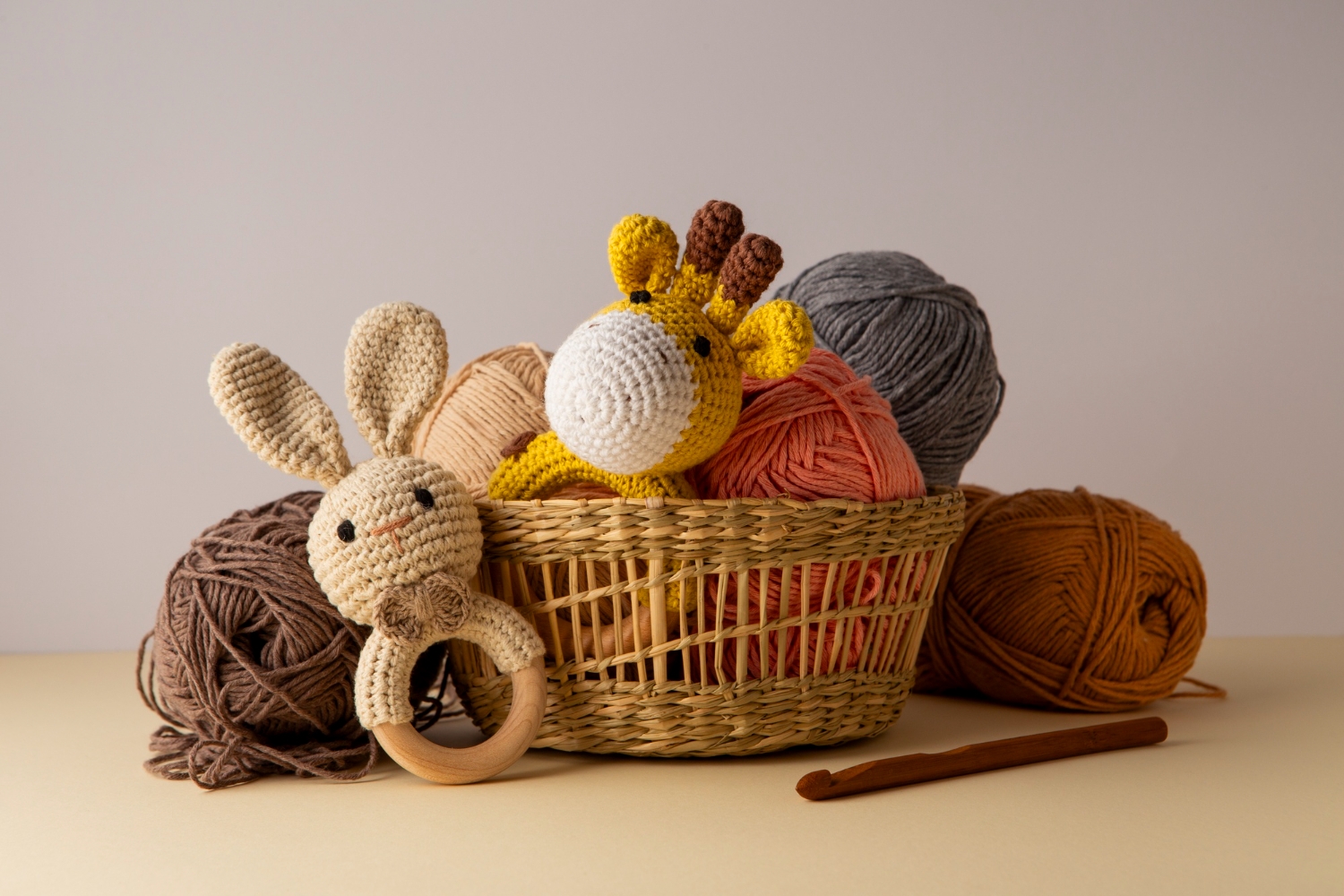
Dyed wool yarn is wool fiber that has been colored before it is used for knitting, crocheting, weaving, or other textile work. The dyeing process changes the natural appearance of wool while keeping many of its original fiber characteristics. Depending on the dye, method, and wool type, dyed wool yarn can have solid, blended, muted, or varied colors.
Understanding dyed wool yarn involves looking at its fiber structure, dyeing process, color behavior, and care requirements. These factors affect how the yarn looks and performs in different textile projects.
What Is Dyed Wool Yarn?
Dyed wool yarn consists of wool fibers that have received color through a dyeing process. Wool comes from the fleece of sheep and has a natural structure that allows it to absorb certain types of dyes effectively. The final color depends on several factors, including the type of wool, dye used, water temperature, dye concentration, and processing time.
Wool yarn can be dyed before or after spinning. In some processes, loose wool fibers receive color first. The colored fibers are then spun into yarn. In other processes, already-spun yarn is dyed in skeins, hanks, or other forms.
The timing of the dyeing process can influence the resulting color distribution and appearance.
How Dyed Wool Yarn Is Produced
The production of dyed wool yarn usually starts with preparing the wool. The fibers may be cleaned to remove natural oils, dirt, and other substances. Proper preparation helps the dye reach the fibers more evenly.
The wool is then exposed to a suitable dye bath or another dye application method. Temperature and acidity can affect how the dye bonds with wool fibers. The yarn may remain in the dye solution for a specific period to achieve the required depth of color.
After dyeing, the yarn is rinsed to remove excess dye. It is then dried before further handling or use. Different dyeing methods can create different visual effects, even when the same wool is used.
Color Characteristics of Dyed Wool Yarn
Dyed wool yarn can display many different color characteristics. A solid-dyed yarn usually has a relatively consistent color throughout its length. Other dyeing methods can produce gradual changes, contrasting sections, or multiple shades.
Color variation can occur because wool fibers do not always absorb dye in exactly the same way. Small differences in fiber structure can influence how color develops. The dye concentration and application method can also create variations.
Dark colors may sometimes require more dye than lighter shades. Highly saturated colors can also require careful rinsing to remove excess dye from the yarn.
Types of Wool Used for Dyed Yarn
Different types of wool can be used to produce dyed wool yarn. Their fiber characteristics can influence both dye absorption and the texture of the finished yarn.
Fine wool generally has a softer feel and smaller fiber diameter. Coarser wool can provide a different texture and may be selected for projects where structure and durability are important.
Wool can also vary in length, crimp, and natural color. These characteristics can affect the appearance of dyed yarn. For example, naturally white wool often produces clearer colors, while naturally darker wool can create deeper or more muted results.
Uses of Dyed Wool Yarn
Dyed wool yarn is used in many forms of textile work. Knitting and crocheting are common uses, with wool yarn being suitable for items such as sweaters, hats, scarves, socks, and blankets.
Wool yarn is also used in weaving and other fiber-based crafts. Its ability to retain warmth makes it suitable for many cold-weather textiles. Its natural elasticity can also help knitted fabrics maintain their shape.
The weight and thickness of dyed wool yarn can influence its use. Fine yarn can work well for lightweight garments, while thicker yarn can produce heavier and warmer fabrics.
How Color Behaves During Use
The appearance of dyed wool yarn can change depending on how it is worked. A color that looks uniform in a skein may appear somewhat different after knitting or crocheting. Stitch structure can affect how light reflects from the yarn.
Multiple skeins can also show slight differences if they come from separate dye lots. Even when the same dye formula is used, variations in processing can result in small color differences.
For larger projects, matching dye lots can help create a more consistent appearance. Alternating skeins can also reduce the visibility of minor differences between batches.
Caring for Dyed Wool Yarn
Proper care depends on the specific wool and dyeing process. Wool generally benefits from gentle handling. Excessive heat, strong agitation, or sudden temperature changes can cause some wool fibers to shrink or felt.
Finished wool items may require hand washing or another gentle cleaning method. Care instructions should consider the fiber composition and construction of the finished textile.
Some dyed wool yarn may release a small amount of excess color during washing. This effect can be more noticeable with darker or strongly saturated colors. Washing such items separately can help reduce unwanted color transfer.
Understanding Dyed Wool Yarn
Dyed wool yarn combines the natural properties of wool with color introduced through a controlled dyeing process. Its final appearance depends on the wool fiber, dye type, application method, and processing conditions.
Color variation, fiber texture, yarn weight, and care requirements all influence how dyed wool yarn behaves in textile projects. Understanding these characteristics can help explain why different wool yarns produce different results, even when they share similar colors.
Dyed wool yarn remains closely connected to the qualities of the original wool fiber. The dye changes its color, while factors such as softness, elasticity, warmth, and texture continue to depend largely on the wool itself.

 English
 Arabic
 French
 Spanish
 Portuguese
 Deutsch
 Turkish
 Italiano
 Russian
 Romaian
 Portuguese (Brazil)
 Greek
Greek
