


Climate-Ready Water Infrastructure Is Reshaping Pumping Priorities in Germany
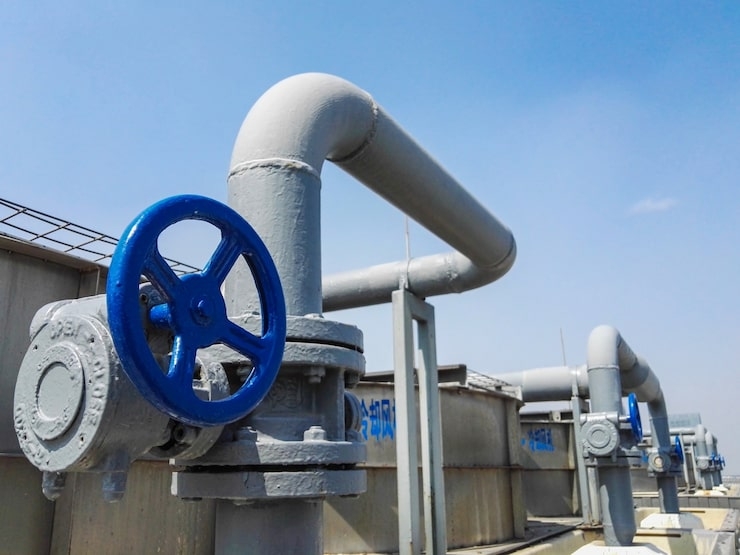
Germany’s water infrastructure is entering a period in which reliability must be balanced with climate resilience, energy efficiency, and more flexible water management. Pumps are essential across drinking-water supply, wastewater systems, agriculture, buildings, flood protection, and industrial facilities. As droughts and heavy rainfall create increasingly different operating conditions, pumping systems need to respond efficiently to both water scarcity and excess water.
According to a Vyansa Intelligence report, the Germany water pump market was valued at USD 2.87 billion in 2025 and is projected to reach USD 3.15 billion by 2032, representing a 1.34% CAGR during 2026–2032. Germany’s infrastructure modernization requirements, industrial applications, climate adaptation, and emphasis on efficient water management provide important context for pump demand.
Water Infrastructure Modernization Is a National Priority
Germany’s water infrastructure has developed over many decades, but maintaining and adapting these assets has become increasingly important. Drinking-water pipelines, wastewater systems, wells, retention infrastructure, and other facilities need to continue operating reliably while responding to changing environmental conditions.
Germany’s Federal Environment Ministry identifies modernization and climate adaptation of water infrastructure as major challenges under the National Water Strategy. The strategy establishes a framework extending to 2050 and includes 78 measures intended to support more resilient water management.
For a Germany water pump market analysis, this policy direction is relevant because pumping equipment is fundamental to water abstraction, transportation, storage, drainage, and distribution.
Drought Is Changing Water-Supply Requirements
Germany has experienced periods of prolonged heat and drought that have placed greater attention on regional water availability. The federal water strategy recognizes that water scarcity and competition between different users can become more frequent as climatic conditions change.
Pumping systems can support regional resilience by transferring water between sources, reservoirs, treatment facilities, and distribution networks. Where local supplies become insufficient, interconnected supply areas and long-distance water-transfer infrastructure may also become necessary.
These detailed industry insights demonstrate why future pump requirements may increasingly depend on flexibility rather than simply fixed-capacity operation.
Heavy Rainfall Creates a Different Pumping Challenge
Germany must prepare simultaneously for too little and too much water. More frequent heavy-rain events can overwhelm drainage systems, increase local flood risks, and place additional pressure on urban water infrastructure.
The National Water Strategy specifically calls for water-supply and wastewater infrastructure to be adapted to the consequences of climate change. It also emphasizes stronger planning for heavy rainfall, water storage, and water-sensitive urban development.
Drainage and flood-control pumps can therefore complement natural retention measures where excess water needs to be removed or redirected rapidly.
Drinking-Water Networks Require Dependable Pressure Management
Municipal water systems depend on pumps to move treated water through networks and maintain appropriate pressure where gravity alone cannot meet operational requirements.
Changing consumption patterns can make this task more complex. Germany’s Federal Environment Ministry notes that periods of extreme heat can create new peak drinking-water demand, increasing the importance of reserve storage and storage management.
The latest industry analysis therefore extends beyond pump capacity. Variable-speed drives and automated pressure controls can help operators adjust pumping according to actual demand rather than maintaining constant output.
Industrial Applications Broaden Equipment Requirements
Germany’s extensive industrial economy creates applications for pumps outside municipal water infrastructure. Manufacturing, chemicals, food processing, pharmaceuticals, power generation, and other facilities use pumps for cooling, process water, circulation, cleaning, and wastewater handling.
Different applications require different engineering characteristics. Chemical processes may require corrosion-resistant materials, while food and pharmaceutical facilities can prioritize hygienic construction. Continuous industrial operations may place particular emphasis on reliability and maintenance accessibility.
For a water pump industry report, this application diversity is important because equipment specifications vary substantially across end users.
Energy Efficiency Is Becoming a Lifecycle Consideration
Water pumps can operate for thousands of hours annually, meaning energy consumption can represent a significant proportion of total ownership costs. Correct equipment selection therefore requires more than comparing initial purchase prices.
Efficient motors, appropriate pump sizing, variable-speed drives, optimized piping, and intelligent controls can reduce unnecessary electricity consumption. Modernization projects provide an opportunity to assess actual hydraulic requirements rather than automatically replacing older equipment with pumps of identical specifications.
Digital Monitoring Can Strengthen Reliability
Connected sensors can provide operators with continuous information about flow, pressure, vibration, temperature, and electricity consumption. These indicators help maintenance teams understand how pumping equipment is performing under real operating conditions.
Condition monitoring can also support predictive maintenance. Instead of relying entirely on fixed servicing intervals, operators can identify unusual performance and investigate developing problems before significant failures occur.
This approach is particularly relevant for utilities managing pumping stations across large geographic areas.
Wastewater Systems Need Specialized Equipment
Wastewater pumping creates different challenges from clean-water applications. Sewage can contain solids, fibres, abrasive material, and other substances capable of increasing equipment wear or causing blockages.
Wastewater pumps may therefore prioritize solids-handling capability, clog resistance, suitable materials, and straightforward maintenance. Germany’s National Water Strategy also emphasizes greater resource efficiency within wastewater management, strengthening the broader case for efficient equipment and optimized operating practices.
Regional Water Networks Could Become More Connected
Germany’s Federal Environment Ministry states that regional water-demand and water-supply concepts will become increasingly important as authorities assess future resource availability. The strategy also considers where interconnected networks and long-distance pipelines could help compensate for regional differences in water availability.
For water pump market research, such infrastructure is relevant because moving water between supply areas requires dependable transfer and booster pumping.
Interconnected systems can also create more variable operating conditions, increasing the value of flexible pump controls.
Resilience and Efficiency Will Shape Future Pumping Systems
Germany’s water pump sector is increasingly connected with a broader transformation in water management. Infrastructure modernization, drought preparedness, heavy-rain management, industrial requirements, wastewater handling, and drinking-water security all depend on reliable movement of water.
Future pumping solutions will need to combine dependable hydraulic performance with energy efficiency, automation, condition monitoring, and adaptability. As Germany implements its long-term water strategy, pumps capable of operating intelligently across changing conditions can play an important role in creating more resilient water infrastructure.

 English
 Arabic
 French
 Spanish
 Portuguese
 Turkish
 Dutch
Dutch
 Italiano
 Russian
 Romaian
 Portuguese (Brazil)
 Greek
Greek
