


Telecom Backup Power Modules: Reliable Energy for Modern Communication Networks
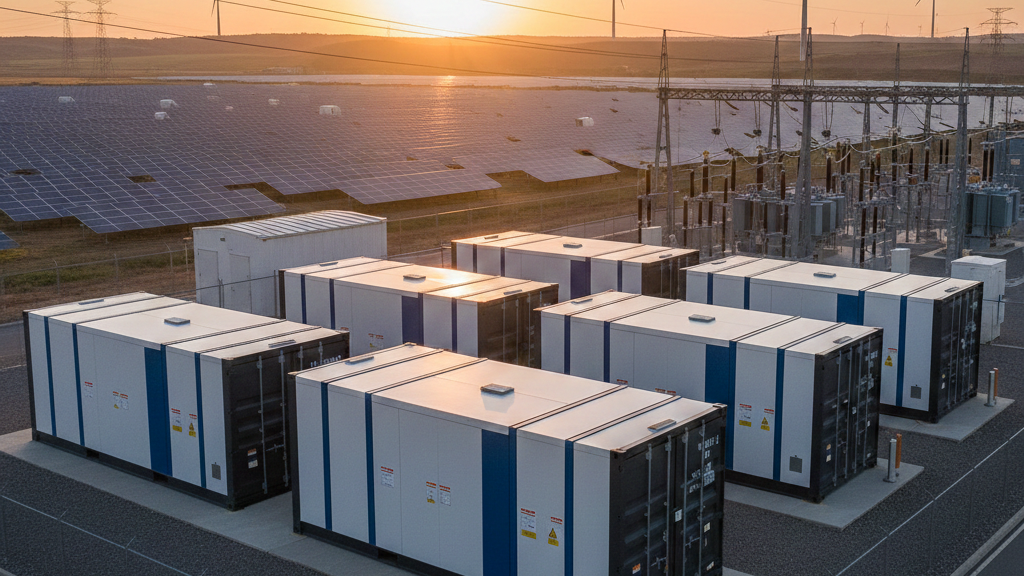
Reliable electricity is essential for telecommunications infrastructure. Cell towers, network equipment, communication hubs, and remote telecom sites must continue operating even when the primary electrical supply becomes unstable or unavailable. A power interruption can affect connectivity, disrupt services, and create serious challenges for network operators.
Telecom Backup Power Modules provide an important layer of protection by supplying stored energy when the main power source fails. Modern solutions can combine advanced battery technologies, intelligent controls, renewable energy, and remote monitoring to support reliable telecommunications infrastructure.
Graphene Power Storage develops energy-storage technologies for telecommunications and other critical applications, with solutions designed to support both grid-connected and off-grid environments.
What Are Telecom Backup Power Modules?
Telecom backup power modules are energy-storage systems designed to provide electricity to telecommunications equipment during power interruptions.
They can be installed at cell towers, communication shelters, network facilities, and remote infrastructure sites. When the primary power source is unavailable, the backup module can supply electricity to essential equipment.
The size and configuration of a telecom backup system depend on the site's power requirements, expected outage duration, available space, environmental conditions, and network equipment.
Why Backup Power Is Important for Telecom Networks
Telecommunications systems are expected to operate continuously.
Customers depend on mobile networks, internet connections, emergency communications, and other services regardless of weather or utility conditions. A prolonged power interruption can therefore affect a large number of users.
Backup power helps network operators maintain service during outages and gives them additional time to restore utility power or deploy other energy resources.
For remote sites, reliable backup power can be even more important because technicians may need additional time to reach the location.
Battery-Based Telecom Backup
Battery systems are widely used for telecommunications backup because they can provide power quickly when the grid fails.
Unlike fuel-based generators, batteries do not require fuel delivery or engine startup before supplying stored electricity. This makes them particularly useful for short-duration outages and applications where rapid response is important.
Battery systems can also be combined with generators and renewable-energy sources to create a layered backup strategy.
Graphene-Based Telecom Energy Storage
Graphene has attracted attention in energy-storage applications because of its electrical and material properties.
Graphene-based technologies can be incorporated into energy-storage systems designed for applications that require rapid power delivery, repeated cycling, and efficient energy management.
Graphene Power Storage offers a supercapacitor-based telecom module and describes it as suitable for both on-grid and off-grid telecommunications applications. The company also states that its telecom technology can work with solar, wind, and generator systems.
Actual performance depends on the specific system configuration, operating conditions, and installation requirements.
Telecom Backup for Remote Sites
Many telecommunications sites are located in areas where grid access is limited or unreliable.
Remote towers and communication installations may depend on combinations of solar panels, batteries, generators, and other power sources.
A well-designed backup system can store energy when generation is available and provide electricity to telecom equipment when the primary source is unavailable.
This can reduce dependence on frequent fuel deliveries and help improve the reliability of remote communication infrastructure.
Solar-Powered Telecom Backup
Solar energy can provide a useful power source for remote telecommunications infrastructure.
During daylight hours, solar panels can generate electricity for network equipment and charge the connected energy-storage system. Stored energy can then be used when sunlight is unavailable or insufficient.
Combining solar generation with Telecom Backup Power Modules can create a flexible system for locations where utility power is limited or unavailable.
The system must be correctly sized according to the site's energy consumption, solar resource, battery capacity, and expected backup requirements.
Backup Power for Cell Towers
Cell towers require electricity for radios, antennas, network equipment, cooling systems, monitoring equipment, and other components.
A backup power module can provide electricity to essential loads when the main power supply fails.
The required backup duration can vary depending on the location and network operator. Urban sites may have faster access to utility restoration or maintenance teams, while remote sites may require significantly longer backup capacity.
Off-Grid Telecommunications
Some telecom installations operate entirely off-grid.
In these situations, energy storage becomes a central part of the site's power architecture rather than simply an emergency backup.
A typical off-grid system may combine renewable generation with energy storage and a backup generator. Intelligent controls can determine how electricity is produced, stored, and distributed.
This approach can provide reliable power while reducing dependence on fuel-based generation.
Reducing Generator Dependence
Generators remain an important backup technology for many telecom sites, particularly when outages last for extended periods.
However, generators require fuel, maintenance, engine servicing, and regular testing.
Battery and supercapacitor-based technologies can reduce the amount of time a generator needs to operate by providing immediate backup power and supporting shorter outages.
When combined with renewable energy and intelligent controls, advanced storage systems can potentially reduce fuel consumption and maintenance requirements.
Fast Response During Power Failures
Telecommunications equipment can be sensitive to power interruptions.
A backup system must respond quickly when utility electricity becomes unavailable. Energy-storage systems can provide stored power almost immediately, helping prevent interruptions to connected equipment.
Fast response is particularly important for communications infrastructure where continuous service is required.
The system's transfer equipment, power electronics, battery technology, and controls all influence how effectively it responds to an outage.
Battery Life and Cycling
Telecom backup systems can experience frequent charging and discharging depending on the site's power conditions.
For locations with unreliable grid power, the storage system may cycle regularly. This makes battery life and cycle performance important considerations.
A system designed for high-cycle operation may be more suitable for locations where frequent energy cycling is expected.
Temperature, discharge depth, charging conditions, and maintenance can also affect long-term battery performance.
Operating in Harsh Environments
Telecommunications infrastructure is often installed outdoors or in remote areas where equipment can experience high temperatures, dust, humidity, and other environmental challenges.
Backup power modules must therefore be designed and installed according to the environmental conditions of the site.
Thermal management, enclosure design, ventilation, monitoring, and equipment protection can all influence system reliability.
Before selecting a solution, network operators should review the manufacturer's environmental specifications and installation requirements.
Monitoring Telecom Backup Systems
Remote monitoring can make it easier for telecom operators to manage distributed backup systems.
Modern energy-storage systems can monitor battery condition, temperature, voltage, current, charge levels, and other operating parameters.
Remote monitoring allows operators to identify potential problems without immediately sending technicians to every site.
For networks with hundreds or thousands of remote installations, centralized monitoring can significantly improve maintenance planning and operational visibility.
Integrating Telecom Backup With Renewable Energy
Renewable energy can be combined with telecom backup systems to improve energy independence.
Solar and wind generation can charge storage systems while providing electricity to telecom equipment. When renewable generation is insufficient, stored energy can support the load.
A generator or utility connection can provide additional backup when required.
This multi-source approach can provide greater flexibility than relying on a single energy source.
Choosing the Right Telecom Backup Power Module
The correct backup solution depends on the specific telecom site.
Before selecting a system, operators should evaluate the site's continuous power demand, peak load, required backup duration, available space, environmental conditions, charging sources, and maintenance requirements.
The system should also be compatible with the telecommunications equipment and existing power infrastructure.
Scalability is another important consideration. A modular solution can make it easier to increase capacity as network requirements grow.
Cost and Long-Term Value
The initial equipment price is only one part of the cost of a telecom backup system.
Operators should also consider installation, maintenance, battery replacement, fuel consumption, transportation, monitoring, and expected service life.
A system with a higher upfront cost may provide better long-term value if it reduces maintenance requirements or operates efficiently over many years.
Evaluating the complete lifecycle cost can help network operators make better investment decisions.
Graphene Power Storage Telecom Solutions
Graphene Power Storage focuses on advanced energy-storage technologies for commercial, industrial, and critical infrastructure applications.
Its telecom solution is presented as a modular energy-storage option for telecommunications sites and is designed to support both grid-connected and off-grid applications.
The company describes its telecom module as compatible with renewable-energy sources such as solar and wind, as well as conventional generators.
For telecom operators evaluating advanced backup technologies, the exact specifications, capacity, installation requirements, and operating conditions should be reviewed before selecting a system.
The Future of Telecom Backup Power
Telecommunications networks continue to expand into remote locations while demand for reliable connectivity continues to increase.
As networks become more distributed, energy-storage systems will play an increasingly important role in maintaining reliable communications.
Advanced battery technologies, supercapacitors, renewable energy, intelligent controls, and remote monitoring can work together to create more resilient telecom power systems.
These technologies can help operators manage energy more efficiently while maintaining service during electrical interruptions.
Final Thoughts
Telecom Backup Power Modules provide essential energy support for communication infrastructure that must remain operational during power interruptions. From cell towers and network facilities to remote off-grid installations, reliable backup power can help maintain connectivity and reduce the impact of electrical outages.
Graphene-based energy-storage technologies offer another option for telecom operators looking for systems designed around rapid response, repeated cycling, renewable-energy integration, and long-term reliability.
Graphene Power Storage provides telecom-focused energy-storage solutions designed for both on-grid and off-grid applications. By combining advanced storage with solar, wind, generators, and intelligent energy management, telecom operators can create more flexible and resilient power systems.
For any telecommunications project, the right solution should be selected according to the site's power requirements, backup duration, environmental conditions, available energy sources, and long-term operating needs.

 English
 Arabic
 French
 Spanish
 Portuguese
 Deutsch
 Turkish
 Dutch
Dutch
 Italiano
 Russian
 Romaian
 Portuguese (Brazil)
