


CPAP Machine Life Expectancy: What Users Should Know
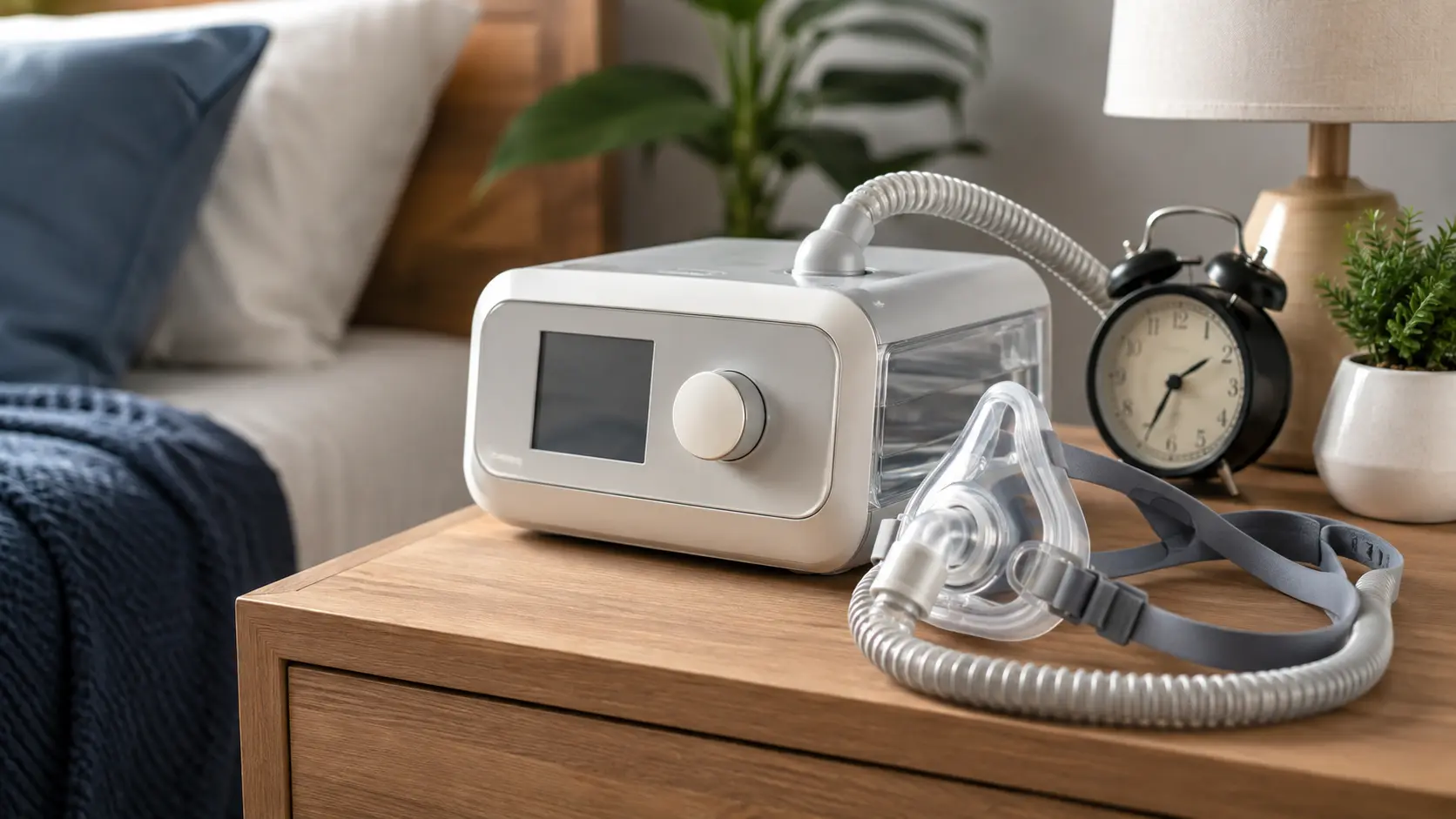
Understanding CPAP machine life expectancy can help you plan for maintenance, repairs, and eventual replacement. A CPAP machine is built for regular use, but like any electronic medical device, its components can experience wear over time.
For many standard home CPAP and APAP machines, reliable service commonly falls within a three-to-five-year range. However, this is not a strict expiration date. Some machines may continue working longer, while others may require attention sooner depending on usage and condition.
What Determines CPAP Machine Life Expectancy?
Several factors can influence how long a device remains reliable.
Daily Usage
A machine used every night accumulates more operating hours than one used occasionally. Someone who depends on CPAP every night may therefore experience different equipment wear than an occasional user.
Maintenance
Regular maintenance can help protect the machine. Filters should be replaced according to the manufacturer's recommendations, while the humidifier chamber and other equipment should be cleaned as instructed.
Environment
Dust, smoke, excessive heat, and blocked air intake can put additional stress on equipment. Keeping the machine in a clean area with adequate airflow can help protect its components.
Device Type
Different PAP devices can have different practical lifespans. Standard home CPAP and APAP machines, travel CPAPs, and BiPAP or advanced PAP devices may experience different usage patterns and types of wear.
When Should You Pay Closer Attention?
As a CPAP gets older, watch for changes rather than relying only on its age.
Potential warning signs include:
- Unusual or increasing motor noise
- Repeated error messages
- Changes in therapy performance
- Cracks or physical deterioration
- Damaged power connections
- Persistent machine-side air leaks
- Display or electronic problems
These signs don't automatically mean replacement is necessary. Some issues may be repairable, while others may indicate that the machine is approaching the end of its useful life.
How to Get the Most From Your Machine
Simple habits can help protect your equipment:
- Keep filters clean or replace them on schedule.
- Clean the humidifier chamber regularly.
- Keep the air intake unobstructed.
- Protect the machine from dust and smoke.
- Store it safely when traveling.
- Follow the manufacturer's care instructions.
Good maintenance can help a machine reach its expected service life, although it cannot prevent normal component aging indefinitely.
Planning for Replacement
If your CPAP has been in use for several years, it can be useful to review its condition before an unexpected failure occurs.
Check the warranty, understand your insurance replacement requirements, and compare potential repair costs with the price of a suitable replacement.
The goal isn't necessarily to replace a machine simply because it reaches a certain age. Instead, consider CPAP machine life expectancy together with actual performance, physical condition, maintenance, and replacement coverage.
For more information, explore the CPAPRx resource covering CPAP lifespan, replacement signs, maintenance, and replacement timing.

 English
 Arabic
 French
 Spanish
 Deutsch
 Turkish
 Dutch
Dutch
 Italiano
 Russian
 Romaian
 Portuguese (Brazil)
 Greek
Greek
