


Blood Test Before Surgery: Why Doctors May Recommend It
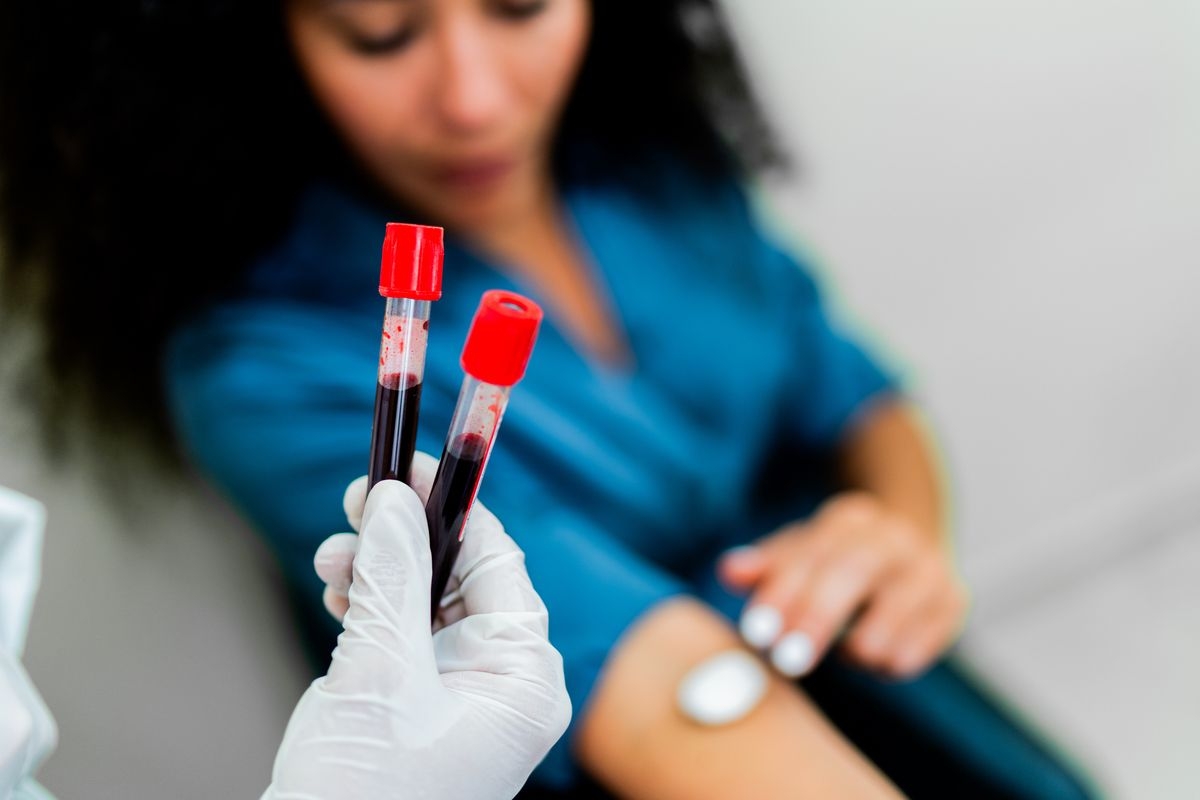
Preparing for surgery involves more than scheduling an operation. Your medical team needs to understand your overall health, identify factors that could affect anesthesia or recovery, and determine whether any part of the surgical plan needs adjustment.
A blood test before surgery may be recommended for these reasons. Depending on your age, medical history, type of procedure, medications, and overall health, your healthcare team may order a complete blood count, blood chemistry tests, blood clotting tests, blood type testing, or other laboratory investigations.
Not every patient needs the same preoperative blood work. Modern medical practice generally aims to order tests that are relevant to the individual and the planned procedure rather than performing every possible test routinely.
Understanding why these Blood test in Dubai may be requested can make the pre-surgery process less stressful and help you prepare for your appointment.
The Purpose of Preoperative Blood Testing:
Think of pre-surgery blood work as a safety check.
Before an operation, doctors may want to know whether you have anemia, an abnormal blood clotting tendency, electrolyte problems, impaired kidney function, abnormal blood sugar, or another issue that could influence treatment.
The results may help the medical team decide whether:
-
Surgery can proceed as planned
-
Additional evaluation is needed
-
Certain medications should be adjusted
-
Extra precautions are necessary
-
A procedure should be postponed until a health issue is addressed
The exact testing depends on the patient's circumstances.
Complete Blood Count: Checking Your Blood Cells
A complete blood count, or CBC, is one of the most familiar blood tests that may be considered before surgery.
It evaluates several components of blood, including red blood cells, hemoglobin, white blood cells, and platelets.
Hemoglobin and Anemia:
Hemoglobin carries oxygen through the bloodstream.
If hemoglobin is low, you may have anemia.
Anemia can result from iron deficiency, blood loss, vitamin deficiencies, chronic disease, kidney problems, or other causes.
Knowing about significant anemia before surgery can be important because an operation may involve blood loss, and adequate oxygen delivery is essential for recovery.
If anemia is discovered before a planned procedure, the medical team may investigate the cause and determine whether treatment is appropriate before surgery.
Platelets and Blood Clotting:
Platelets help the body form blood clots.
A very low platelet count may increase bleeding risk, while some platelet abnormalities may require additional investigation.
A platelet count is therefore useful when evaluating whether there may be a blood-related concern that could affect an operation.
The result is interpreted alongside medications, medical history, and other coagulation tests when appropriate.
White Blood Cells:
White blood cells are part of the immune system.
An unusually high or low white blood cell count may provide a clue about infection, inflammation, medication effects, or other health conditions.
A CBC alone cannot diagnose an infection, but an unexpected result may prompt the medical team to investigate further.
Kidney Function Tests: Important for Medication and Anesthesia Planning
The kidneys remove waste products from the blood and help regulate fluid and electrolyte balance.
Preoperative testing may include creatinine, estimated glomerular filtration rate, or eGFR, and blood urea nitrogen, or BUN.
These measurements can provide information about kidney function.
Kidney health matters before surgery because reduced kidney function can influence how the body handles certain medications and can affect fluid and electrolyte management.
People with known kidney disease may require closer monitoring before, during, and after an operation.
Electrolytes: Checking Sodium and Potassium
Blood chemistry testing may measure electrolytes such as sodium, potassium, chloride, and bicarbonate.
These substances are essential for normal nerve, muscle, and heart function.
Significant electrolyte abnormalities can increase medical risk during surgery.
For example, substantial potassium abnormalities can affect heart rhythm.
The reason for an abnormal electrolyte result must be determined before treatment decisions are made. Dehydration, medications, kidney disease, hormonal disorders, and other conditions can all influence electrolyte levels.
Blood Glucose: Understanding Blood Sugar
Doctors may check blood glucose before surgery, particularly when diabetes is known or suspected or when the procedure and medical history make glucose monitoring relevant.
High blood sugar can affect the body's ability to respond to illness and may influence wound healing and infection risk.
People with diabetes often require individualized perioperative glucose management.
A single elevated glucose result does not automatically mean that someone has diabetes. Additional testing may be necessary depending on the circumstances.
Blood Clotting Tests: When Are They Needed?
Blood clotting tests may be ordered when there is a specific reason to assess bleeding or coagulation.
Common tests include:
-
Prothrombin time, or PT
-
International normalized ratio, or INR
-
Activated partial thromboplastin time, or aPTT
These tests evaluate different parts of the blood-clotting process.
They may be particularly relevant for people taking certain blood-thinning medications, those with a history of abnormal bleeding, known liver disease, or suspected clotting disorders.
Not everyone undergoing surgery needs routine coagulation testing.
The decision is usually based on medical history, medications, symptoms, and the type of procedure.
Blood Type and Crossmatching:
Some operations have a greater possibility of significant blood loss.
In these situations, the medical team may determine your ABO blood type and Rh factor and may perform additional compatibility testing.
A crossmatch can help determine whether appropriately matched blood is available if a transfusion becomes necessary.
This does not mean that you will definitely need a blood transfusion.
It simply allows the surgical team to prepare appropriately when there is a meaningful possibility of blood loss.
Liver Tests: Assessing Another Important Organ
The liver processes medications, produces important proteins, and performs many other essential functions.
Depending on your medical history and the planned procedure, your doctor may request liver-related blood tests such as ALT, AST, alkaline phosphatase, bilirubin, albumin, and total protein.
Abnormal liver results can have many causes.
Significant liver dysfunction may affect medication metabolism, blood clotting, nutrition, and other aspects of surgical care.
People with known liver disease may therefore require additional preoperative assessment.
Why Your Medication List Matters?
Blood tests are only one part of a preoperative assessment.
Your healthcare team will usually want to know about all prescription medications, over-the-counter medicines, vitamins, and supplements you take.
Some medicines can affect bleeding, blood pressure, blood sugar, kidney function, or interactions with anesthesia.
Blood thinners deserve particular attention.
Depending on the medication and procedure, the surgical team may provide specific instructions about whether and when it should be temporarily stopped or adjusted.
Never stop a prescribed medication on your own.
Follow the instructions provided by your surgeon, anesthesiologist, or prescribing clinician.
What If a Pre-Surgery Blood Test Is Abnormal?
An abnormal result does not automatically mean that your surgery will be canceled.
The significance depends on:
-
Which test is abnormal
-
How far the result is outside the expected range
-
Whether you have symptoms
-
The type of surgery
-
Your existing health conditions
-
Whether the abnormality is temporary
-
Whether treatment can correct the issue
Your medical team may repeat the test, order additional investigations, treat an underlying problem, or adjust the surgical plan.
For example, mild abnormalities may simply require monitoring, while severe anemia or significant electrolyte disturbances may need to be addressed before elective surgery.
Can Surgery Be Delayed Because of Blood Test Results?
Sometimes.
If testing identifies a potentially important health problem, postponing elective surgery may be safer than proceeding immediately.
For example, significant anemia, uncontrolled blood sugar, serious electrolyte abnormalities, or certain clotting problems may require evaluation or treatment first.
The decision is individualized.
Emergency surgery is different because delaying treatment may itself create greater risk.
Your surgical team weighs the urgency of the procedure against the medical issue identified by testing.
Do You Need to Fast Before Preoperative Blood Work?
Not necessarily.
Some preoperative blood tests do not require fasting.
However, your healthcare team may order tests that do require fasting, depending on your circumstances.
Always follow the specific instructions given by your hospital, surgeon, laboratory, or anesthesia team.
If you are unsure whether you should eat, drink, or take medication before your appointment, contact the medical facility before the test rather than guessing.
What Happens During the Blood Test?
A standard blood draw is usually straightforward.
A healthcare professional cleans the skin and collects a small amount of blood from a vein, commonly in the arm.
The sample is placed into appropriate collection tubes and sent to the laboratory.
The actual blood collection often takes only a few minutes.
You may experience brief discomfort, minor bruising, or tenderness afterward.
If you feel faint during blood draws, tell the healthcare professional before the sample is collected.
How Early Are Blood Tests Done Before Surgery?
There is no universal timing requirement.
Some hospitals perform preoperative blood tests shortly before surgery, while others complete them days or weeks beforehand.
The timing can depend on the type of procedure, the patient's health, hospital policy, and whether the results need to be repeated closer to the operation.
Your surgical team should tell you when testing needs to be completed.
If you already have recent laboratory results, provide them to your medical team. They can determine whether the results are recent and relevant enough to use.
Why Recent Results May Matter?
Health status can change.
A blood test from several months ago may not accurately reflect your current hemoglobin, kidney function, glucose level, or electrolyte balance.
For some procedures and patients, recent results are particularly important.
Your healthcare team may therefore request updated blood work even if you had normal results previously.
This is not necessarily a sign that something is wrong. It is often part of appropriate preoperative planning.
What You Should Tell Your Surgical Team?
Before your blood test and surgery, make sure your healthcare team knows about:
-
Previous abnormal blood tests
-
Kidney or liver problems
-
Diabetes
-
Bleeding or clotting disorders
-
Previous blood transfusions
-
Allergies
-
Prescription medications
-
Blood-thinning medicines
-
Vitamins and supplements
-
Previous reactions to anesthesia
-
Recent illness or infection
Accurate information helps your medical team interpret laboratory results in the correct context.
A Simple Pre-Surgery Blood Test Checklist:
Use this practical checklist before your appointment:
Confirm the tests: Know which laboratory tests have been ordered.
Ask about fasting: Find out whether you can eat and drink normally.
Review medications: Ask whether any medicines require special instructions.
Mention supplements: Include vitamins, herbal products, and other supplements.
Share medical history: Tell the team about relevant chronic conditions and previous abnormal results.
Report recent illness: Fever, infection, vomiting, dehydration, or other acute illness may affect some results.
Follow hospital instructions: Preoperative protocols vary, so your surgical team's guidance should take priority.
When Should You Ask Questions Before Surgery?
Do not hesitate to contact your healthcare team if you do not understand why a test has been ordered or how to prepare.
Useful questions include:
“Do I need to fast?”
“Should I take my usual medications?”
“Do I need to stop any supplements?”
“When will my results be available?”
“What happens if one of my results is abnormal?”
“Are my recent blood tests still valid for this procedure?”
Getting clear answers before the appointment can prevent unnecessary delays.
Final Takeaway:
A blood Lab tests before surgery can help doctors identify health issues that may influence anesthesia, bleeding risk, medication management, fluid balance, or recovery.
Commonly considered tests may include a complete blood count, kidney function tests, electrolyte measurements, blood glucose, liver tests, and coagulation studies. Blood typing and crossmatching may also be arranged when there is a meaningful possibility of blood loss.
However, preoperative testing is not identical for every adult. The appropriate tests depend on the operation, medical history, age, medications, symptoms, and individual risk factors.
An abnormal blood test does not automatically mean surgery must be canceled. Your medical team will determine whether the result is clinically important and whether further evaluation or treatment is necessary.
The best preparation is simple: follow your surgical team's instructions, provide an accurate medication and health history, and ask questions if anything is unclear. Proper preoperative assessment helps your healthcare team plan your care as safely and effectively as possible.
Frequently Asked Questions:
Why do doctors order blood tests before surgery?
Blood tests can identify conditions such as anemia, electrolyte abnormalities, impaired kidney function, abnormal blood sugar, or clotting problems that may affect surgical planning.
Is a CBC required before every surgery?
No. Whether a CBC is appropriate depends on the patient's health, the type of surgery, and the clinical assessment.
What blood tests are commonly done before surgery?
Depending on the situation, testing may include a CBC, kidney function, electrolytes, glucose, liver tests, coagulation studies, and blood type or compatibility testing.
Can an abnormal blood test delay surgery?
Yes, particularly if the abnormality could increase surgical risk and requires evaluation or treatment. The decision depends on the severity of the finding and the urgency of the procedure.
Do I have to fast before preoperative blood work?
Not always. Some tests require fasting while others do not. Follow the instructions provided by your healthcare team or laboratory.
Should I stop my medications before a blood test?
Do not stop prescribed medications unless your doctor or surgical team specifically tells you to. Some medicines require special instructions before surgery.
Why might kidney function be checked before surgery?
Kidney function can influence fluid management and how the body processes certain medications. Creatinine and eGFR are commonly used to assess kidney function.
Why are platelets checked before surgery?
Platelets help form blood clots. Knowing the platelet count can help the medical team identify potential bleeding concerns when clinically relevant.
Is blood typing the same as having a blood transfusion?
No. Blood typing identifies your blood group. Crossmatching may be performed when compatible blood needs to be prepared in case a transfusion becomes necessary. It does not mean you will receive a transfusion.
How long does a preoperative blood test take?
The blood collection itself generally takes only a few minutes. Laboratory processing time varies depending on the tests and facility.
What should I do if I feel nervous about the blood draw?
Tell the healthcare professional before the procedure. They can help you sit or lie down safely, keep you comfortable, and reduce the risk of fainting.
Are blood tests the only tests done before surgery?
No. Preoperative assessment may also include a medical history, physical examination, blood pressure measurement, heart testing, imaging, pregnancy testing when appropriate, or other investigations based on the procedure and patient's health.

 English
 Arabic
 French
 Spanish
 Portuguese
 Deutsch
 Turkish
 Dutch
Dutch
 Russian
 Romaian
 Portuguese (Brazil)
 Greek
Greek
