


Seamless Gutter Installation Near Me: A Complete Homeowner Guide
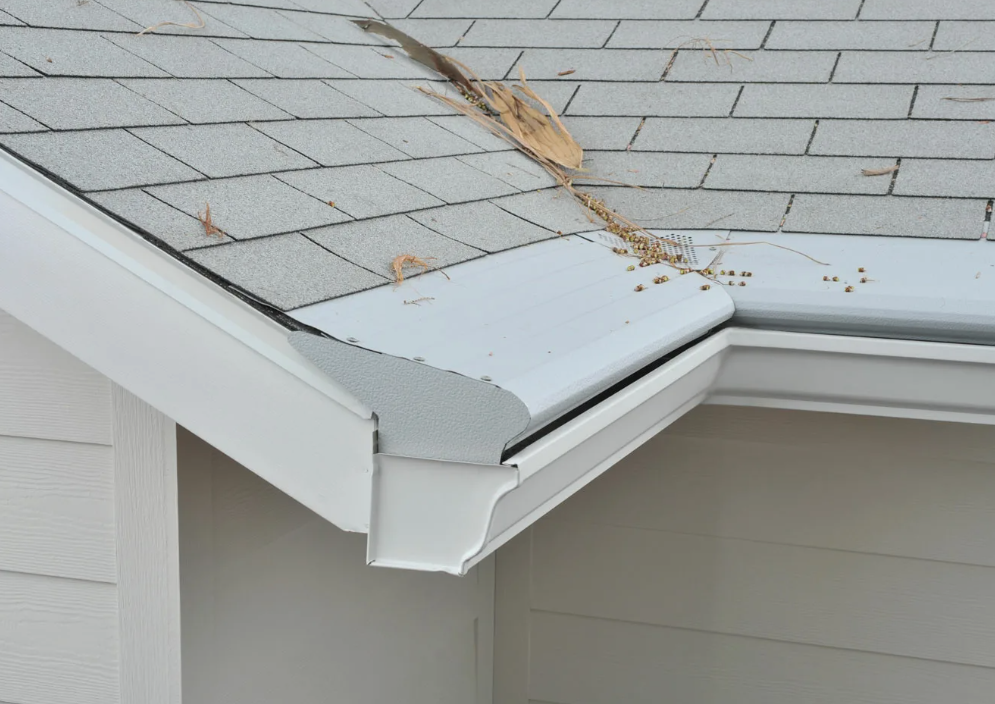
A reliable gutter system plays an important role in directing rainwater away from a home's roofline, walls, landscaping, and foundation. When gutters are undersized, damaged, poorly pitched, or filled with debris, runoff can overflow and create problems in areas that are difficult and expensive to repair. Homeowners searching for seamless gutter installation near me are often looking for a durable drainage solution that also provides a clean appearance along the roofline. Seamless gutters are generally formed in long, custom-sized sections, reducing the number of joints found in conventional sectional systems. This makes them an attractive option for homeowners replacing aging gutters or planning a new drainage system.
Choosing seamless gutter installation near me should involve more than finding the closest available contractor. A successful project depends on accurate measurements, appropriate gutter sizing, proper slope, secure attachment, suitable downspout placement, and consideration of the property's existing drainage conditions. Roof shape, surrounding trees, fascia condition, landscaping, and local weather can all influence the design. Understanding these factors before installation helps homeowners compare proposals more effectively and choose a system designed for the property's actual requirements rather than relying on a generic configuration.
Why Seamless Gutters Are Worth Considering
The primary distinction between seamless and sectional gutters is the number of joints used along each gutter run. Sectional systems are assembled from multiple pieces, creating several connection points across a roofline. Seamless systems are typically fabricated to the required length, so long straight runs can have fewer joints. Fewer connections can reduce potential locations for leakage and create a smoother visual appearance. However, seamless construction does not eliminate the need for proper installation. Corners, outlets, and downspout connections still require careful work, and the gutter must be installed with appropriate pitch so water flows toward its outlets. The benefits of a seamless system are therefore closely connected to workmanship. A professionally measured and installed gutter can provide a practical combination of drainage performance, appearance, and long-term maintainability.
Assessing the Roof Before Installation
A gutter system should be designed around the roof rather than installed as an independent exterior accessory. Before beginning work, an installer should examine the roofline, roof pitch, valleys, corners, and areas where water naturally concentrates. Larger roof sections may generate substantial runoff, while valleys can direct water rapidly toward specific portions of the gutter. The condition of the fascia should also be considered because gutters are commonly attached along the roof edge. If the supporting material is weakened by rot or prolonged moisture exposure, new gutters may not remain securely attached without addressing the underlying issue. Roof extensions, porches, additions, and unusual architectural features may also require separate drainage considerations. A careful pre-installation evaluation provides a better foundation for selecting gutter sizes, determining downspout locations, and identifying potential complications before installation begins.
Choosing the Right Gutter Material
Material selection should reflect the home's architecture, environmental conditions, maintenance expectations, and budget. Aluminum is a popular choice for residential applications because it is lightweight, available in numerous colors, and suitable for custom fabrication. Steel can provide additional strength in some applications but may require greater attention to corrosion protection. Copper offers a distinctive appearance and can develop a natural patina over time, making it suitable for certain architectural styles. The decision should not be based solely on the initial purchase price. Homeowners should consider the expected service life, appearance, maintenance requirements, and compatibility with the property's existing exterior materials. A professional contractor should explain the available options and identify which materials are appropriate for the home's roofline and drainage needs. Selecting a suitable material at the beginning can help prevent the need for premature replacement.
seamless gutter installation near me: Understanding the Installation Process
A professional seamless gutter project normally begins with detailed measurements of the roofline. The contractor determines the length of each gutter section, identifies corners and outlets, and plans the location and number of downspouts. The gutter material can then be formed to the required dimensions, often at or near the property, rather than relying exclusively on standard pre-cut lengths. During installation, the gutters are secured to the fascia or appropriate structural points with suitable hangers and fasteners. Correct pitch is established so water moves toward the downspout outlets instead of remaining stagnant inside the channel. Corners and end caps must be properly fitted and sealed, while downspouts should provide an unobstructed route for collected water. The finished system should be reviewed to confirm that the drainage path is logical and that water can move away from vulnerable areas around the home.
The Importance of Downspout Placement
Gutters only collect water; downspouts determine where that water ultimately leaves the system. Poorly positioned downspouts can cause problems even when the gutters themselves are properly installed. Releasing large quantities of water directly beside the foundation, for example, may create unnecessary saturation around the structure. Downspouts should be positioned according to roof drainage requirements and the property's grading. Extensions, splash blocks, underground drainage, or other discharge solutions may be appropriate depending on site conditions. Walkways, driveways, patios, landscaping, and neighboring properties should also be considered when selecting discharge points. The goal is to create a complete path from roof to final drainage destination. A contractor who evaluates only the gutter channel without considering where the water goes afterward may overlook an important part of the project.
Protecting Fascia and Roof Edges
The condition of the roof edge can significantly affect the performance of a new gutter system. Fascia boards that have been exposed to repeated moisture may develop deterioration that is not immediately visible from ground level. Loose gutters, staining, sagging sections, or recurring attachment problems can sometimes indicate underlying issues. Before installing replacement gutters, contractors should inspect the supporting areas and explain any necessary repairs. The relationship between the gutter, drip edge, roofing material, and fascia should also be considered to help ensure that water enters the gutter instead of traveling behind it. Addressing these details during installation is generally more effective than covering an existing problem with new equipment. Homeowners should make sure the written project scope explains whether fascia repairs or other roof-edge work are included separately from the gutter installation.
How Trees Affect Gutter Maintenance
Properties with mature trees often require more frequent gutter attention because leaves, seeds, twigs, and other organic debris can enter the drainage system. Debris can collect around downspout openings and restrict water flow, causing gutters to overflow during rainfall. Gutter guards can help reduce the amount of larger material entering the system, but they do not necessarily eliminate maintenance. Different guard designs work differently depending on the type of debris present around the property. Fine particles may accumulate on top of protective systems, while heavy storms can introduce new material. Homeowners should evaluate their surrounding vegetation before deciding whether gutter protection is appropriate. Regular inspection remains useful even when guards are installed because gutters, guards, fasteners, and downspouts can all develop issues over time.
Signs It May Be Time to Replace Existing Gutters
A gutter system does not necessarily need complete replacement because of one damaged section. Localized leaks, loose fasteners, or a damaged downspout may be repairable. However, widespread corrosion, repeated leaks, extensive sagging, separated joints, damaged channels, and recurring overflow can indicate that an older system is approaching the end of its practical service life. Homeowners should also watch for soil erosion, standing water, or water stains around areas where downspouts discharge. These signs may indicate that the current system is not adequately controlling runoff. An inspection can help determine whether repair or replacement makes more sense. Replacing the entire system may be more practical when deterioration is widespread, while targeted repairs may be sufficient when problems are limited to individual components.
How to Choose a Local Gutter Contractor
Finding a nearby contractor is convenient, but proximity should not be the only factor considered. Homeowners should evaluate experience, insurance, workmanship, materials, installation methods, and communication. A reputable installer should be able to explain how measurements are taken, how gutter sizing is determined, how downspouts will be positioned, and how the gutters will be attached to the property. Written estimates should clearly describe the material, profile, approximate scope, removal of existing gutters if necessary, downspout configuration, and any additional drainage work. Comparing several detailed proposals can reveal meaningful differences that may not be obvious from the quoted price alone. Customers should also ask how unexpected fascia deterioration or drainage issues will be handled if they are discovered during installation. Clear expectations before construction can help prevent disagreements later.
Balancing Appearance and Drainage Performance
Gutters are functional components, but they are also visible along the exterior of the home. Fortunately, homeowners can often select materials and colors that complement roofing, siding, trim, or fascia. Common gutter profiles can suit different architectural styles, while custom color choices can make the system less visually prominent. However, appearance should not take priority over drainage. Moving a downspout to an inconvenient location simply because it is less noticeable could create water-management problems elsewhere. The best design balances aesthetics with the practical requirements of the roof and property. Installers should consider how gutters and downspouts will look from important viewpoints while ensuring that the system maintains appropriate capacity and a logical discharge path.
Preparing for Installation Day
A little preparation can make a gutter installation more efficient. Homeowners should provide clear access around the perimeter of the property and move vehicles, outdoor furniture, decorations, and other items that could interfere with ladders or equipment. Landscaping concerns should be communicated before work begins, particularly when plants or structures are located close to the roofline. If old gutters are being removed, the installer should have an opportunity to inspect the fascia and attachment points before installing the replacement system. Weather can also affect scheduling, so homeowners should allow reasonable flexibility when conditions are unsuitable for exterior work. Once installation is complete, the property owner should review the finished system and ask about cleaning

 English
 Arabic
 French
 Portuguese
 Deutsch
 Turkish
 Dutch
Dutch
 Italiano
 Russian
 Romaian
 Portuguese (Brazil)
 Greek
Greek
