


Swimming Warm Up
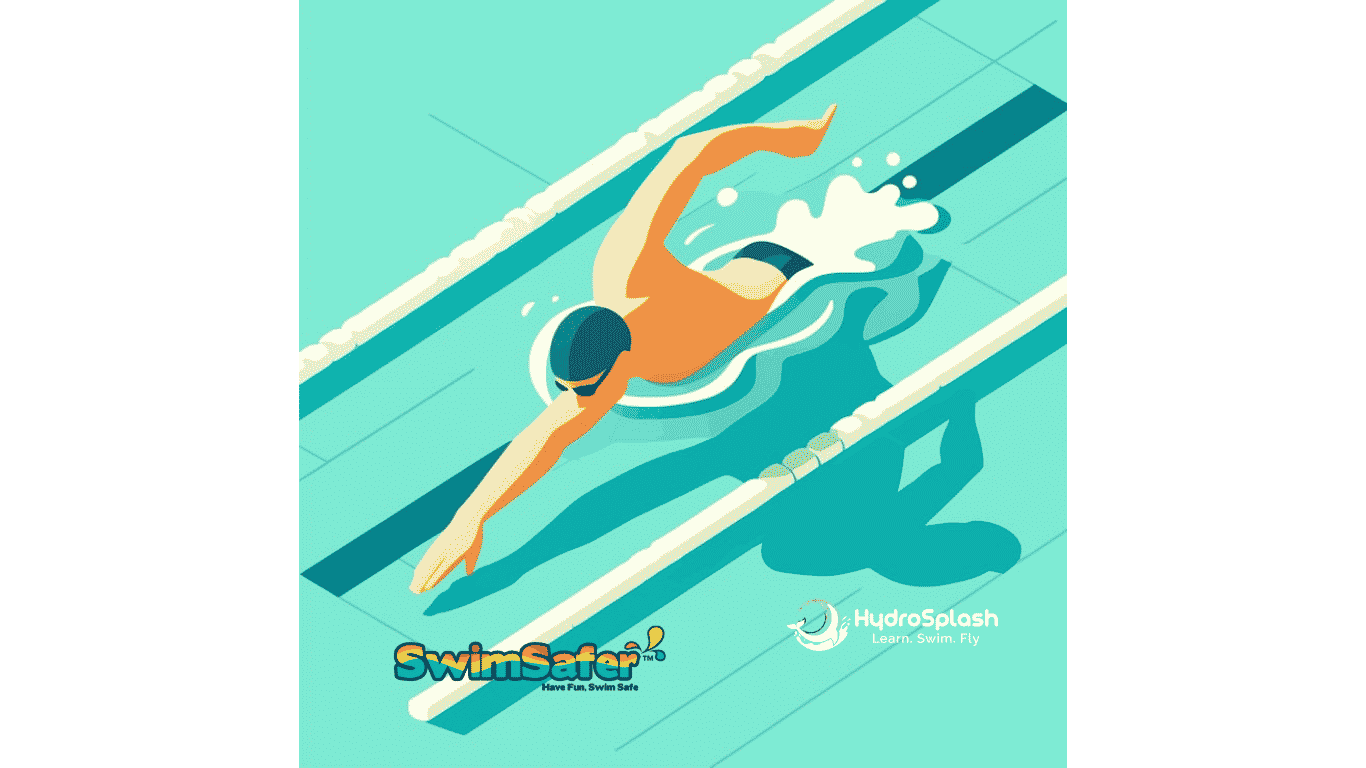
Swimming Warm Up Guide | Best Swimming Warm Up Exercises Before Every Swim
Learn the importance of Swimming Warm Up routines before every session. Improve flexibility, reduce injury risk, and enhance swimming performance with expert warm-up tips.
Swimming Warm Up – Prepare Your Body for Better Swimming Performance
A proper Swimming Warm Up is one of the most important parts of any swimming session. Whether you are a beginner learning basic techniques or an experienced swimmer working on endurance and speed, warming up prepares your muscles, joints, and cardiovascular system for physical activity. It also helps reduce the risk of injury while improving flexibility, coordination, and overall swimming performance.
Many swimmers focus only on time spent in the pool, but a well-planned warm-up routine can make every swimming session safer, more comfortable, and more productive. By gradually increasing your heart rate and activating key muscle groups, you can enter the water feeling prepared and confident.
Why Is a Swimming Warm Up Important?
Swimming uses almost every major muscle group in the body. Starting a session without warming up may lead to stiffness, reduced mobility, and a greater chance of muscle strain.
Benefits of a proper swimming warm-up include:
- Improved blood circulation
- Increased muscle flexibility
- Better joint mobility
- Reduced risk of injuries
- Enhanced swimming performance
- Improved breathing control
- Greater coordination in the water
- Faster muscle activation
A few minutes of preparation before entering the pool can significantly improve the quality of your swimming session.
Dry Land Swimming Warm Up Exercises
Before entering the water, performing light dynamic movements helps prepare the body for swimming.
Common dry land warm-up exercises include:
- Arm circles
- Shoulder rolls
- Neck rotations
- Torso twists
- Leg swings
- Bodyweight squats
- Walking lunges
- Gentle jumping jacks
- Hip rotations
- Ankle mobility exercises
These movements increase flexibility while activating the muscles used during swimming.
In-Water Swimming Warm Up Routine
Once in the pool, swimmers should gradually increase intensity rather than immediately swimming at full speed.
A simple in-water warm-up may include:
- Easy freestyle swimming
- Backstroke at a relaxed pace
- Gentle kicking drills
- Breathing practice
- Floating exercises
- Streamline glides
- Slow stroke drills
- Light endurance swimming
Starting slowly allows your body to adapt comfortably before more challenging training begins.
Benefits of Swimming Warm Up for Beginners
Beginners often experience nervousness or muscle tension before swimming. A proper warm-up helps reduce anxiety while increasing confidence in the water.
Advantages for beginners include:
- Improved comfort in the pool
- Better breathing rhythm
- Increased confidence
- Easier body movement
- Enhanced balance and coordination
- Safer swimming experience
Warm-up exercises also help new swimmers become familiar with the water before practicing new techniques.
Swimming Warm Up for Advanced Swimmers
Experienced swimmers benefit from warm-up routines that prepare both the body and mind for higher-intensity training.
Advanced warm-up routines help improve:
- Stroke efficiency
- Swimming speed
- Endurance
- Muscle activation
- Reaction time
- Technical precision
Proper preparation allows swimmers to perform at their best while reducing fatigue during longer training sessions.
Common Mistakes During Swimming Warm Up
Many swimmers unknowingly reduce the effectiveness of their warm-up by making avoidable mistakes.
Common mistakes include:
- Skipping the warm-up completely
- Performing static stretches before activity
- Starting with maximum effort
- Ignoring shoulder mobility
- Rushing through exercises
- Failing to control breathing
- Not staying hydrated
Following a gradual progression helps maximize the benefits of every swimming session.
The Role of Warm Up in Injury Prevention
Swimming is generally considered a low-impact exercise, but repetitive movements can still place stress on muscles and joints if the body is not properly prepared.
A structured warm-up helps:
- Improve shoulder mobility
- Activate core muscles
- Reduce muscle stiffness
- Increase joint flexibility
- Improve movement efficiency
- Lower the risk of overuse injuries
Proper preparation supports safer and more comfortable swimming over the long term.
Additional Tips for an Effective Swimming Warm Up
To get the most from your warm-up routine:
- Begin with light movements
- Focus on dynamic stretching
- Increase intensity gradually
- Practice controlled breathing
- Stay hydrated
- Listen to your body
- Maintain good posture during exercises
- Spend sufficient time preparing before intensive swimming
Consistency is key. Making warm-ups part of every swimming session helps improve performance while supporting long-term fitness and confidence.
Learn Proper Swimming Techniques with Professional Guidance
A structured swimming program not only teaches correct techniques but also emphasizes the importance of proper preparation before every lesson. Professional coaches guide students through effective warm-up routines that improve performance while promoting safety and confidence in the water.
To learn more about effective swimming techniques, warm-up routines, and professional swimming instruction, visit https://adultswimminglessons.sg/swimming-warm-up/
Contact Details
Phone: +65 9684 2263
Email: [email protected]
Frequently Asked Questions (FAQs)
1. Why is a Swimming Warm Up important?
A swimming warm-up prepares your muscles, joints, and cardiovascular system for exercise, helping improve performance while reducing the risk of injury.
2. How long should a swimming warm-up last?
Most warm-up routines last between 10 and 15 minutes, depending on the swimmer's experience level and training intensity.
3. Should beginners perform a warm-up before swimming?
Yes. Beginners benefit greatly from warm-up exercises because they improve confidence, flexibility, coordination, and comfort in the water.
4. What exercises are included in a swimming warm-up?
Common exercises include arm circles, shoulder rolls, leg swings, bodyweight squats, easy swimming laps, kicking drills, breathing practice, and gentle stroke drills.
5. Can a proper warm-up improve swimming performance?
Yes. A consistent warm-up improves muscle activation, stroke efficiency, flexibility, endurance, and overall swimming performance while helping prevent injuries.

 English
 Arabic
 French
 Spanish
 Deutsch
 Turkish
 Dutch
Dutch
 Italiano
 Russian
 Romaian
 Portuguese (Brazil)
 Greek
Greek
