


Do You Need to Fast Before a Urine Analysis Test?
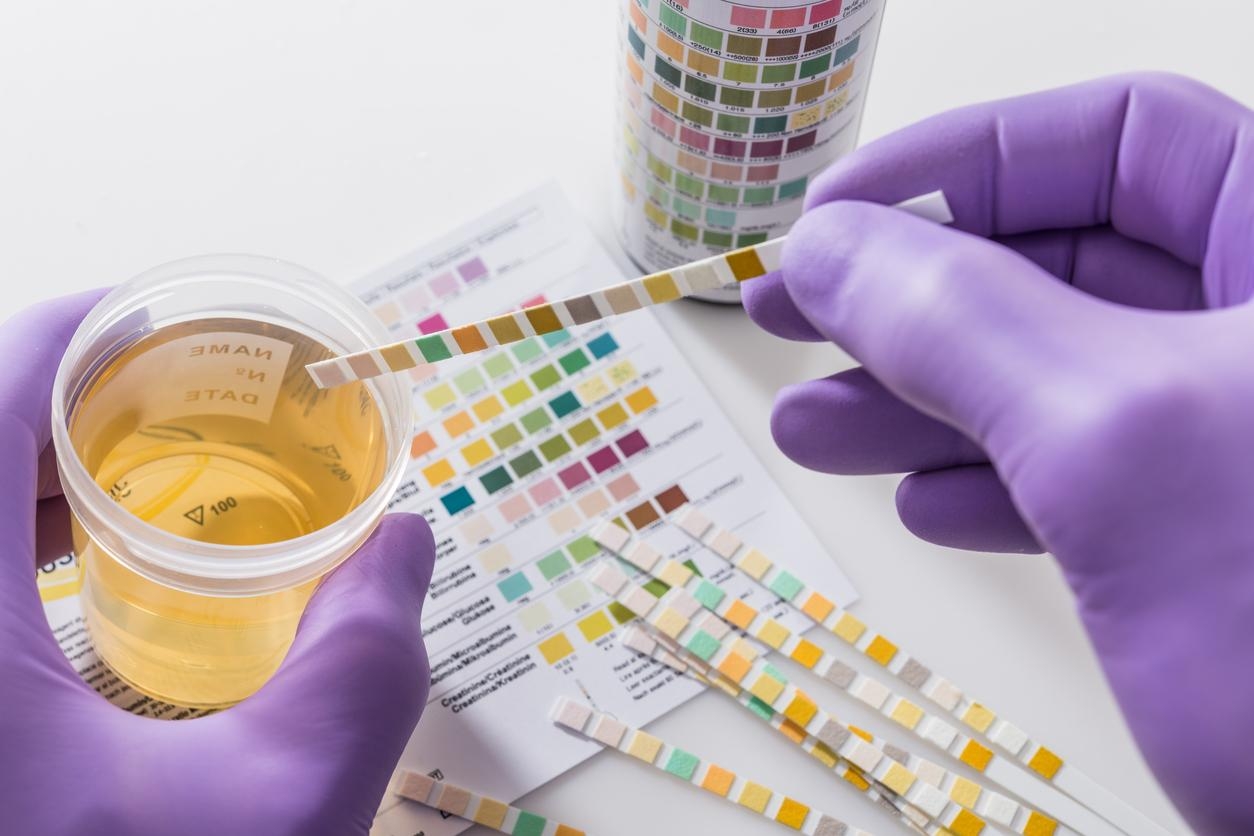
If your doctor has ordered a urine analysis test, you may wonder whether you need to avoid food and drinks beforehand. Fasting is a common requirement for some blood tests, but a routine urinalysis usually works differently.
In most cases, you do not need to fast before a standard Urine Analysis in Dubai. You can generally eat and drink normally unless your healthcare provider gives you specific preparation instructions.
However, the answer can change when a urinalysis is ordered alongside other tests or when you are having a specialized urine examination. Understanding what can affect a urine sample can help you prepare correctly and avoid unnecessary changes to your normal routine.
The Quick Answer: Is Fasting Required?
For a routine urinalysis, fasting is generally not required.
A standard urine analysis can examine several characteristics of urine, including its appearance, chemical composition, and microscopic contents. The test may check for protein, blood, glucose, ketones, nitrites, leukocyte esterase, specific gravity, and other substances.
Because these measurements do not usually require an empty stomach, most people can have their usual meals before providing the sample.
Your doctor's instructions should always take priority, however. If you have been told to fast, there may be another test being performed at the same appointment.
Why Do Some Medical Tests Require Fasting?
Fasting is mainly associated with certain blood tests.
Eating and drinking can temporarily change levels of substances in the bloodstream, including glucose and triglycerides. For some laboratory measurements, avoiding food for a specified period helps produce more standardized results.
A routine urine test is different because it analyzes the composition of urine rather than directly measuring many substances in the blood.
That is why fasting is usually unnecessary for a basic urinalysis.
When Fasting May Be Needed During a Urine Testing Appointment
The important distinction is between fasting for the urine test itself and fasting because of another test being performed at the same time.
For example, your healthcare provider may order a urinalysis together with blood glucose, cholesterol, triglycerides, or other laboratory tests.
If those blood tests require fasting, you may need to avoid food for the specified period even though the urine analysis itself does not require it.
Always ask which tests are included in your appointment if you are unsure.
Can You Drink Water Before a Urine Analysis?
In most routine situations, normal water intake is allowed.
In fact, staying normally hydrated can make urine collection easier. However, drinking an unusually large amount of water immediately before the test can make your urine very dilute.
Very dilute urine can affect certain measurements, including urine specific gravity, which reflects urine concentration.
The goal is generally to maintain your usual fluid intake rather than deliberately drinking excessive amounts of water or restricting fluids without medical instructions.
Does Coffee Affect a Urine Test?
Coffee and other caffeinated beverages can influence fluid intake and urination.
For a routine urinalysis, having your normal beverage intake is generally acceptable unless your healthcare provider has given different instructions.
However, if you are instructed to collect a specific type of urine sample or undergo a specialized test, the preparation requirements may be different.
If you are uncertain about whether coffee, tea, juice, or another beverage is allowed, follow the instructions provided by the laboratory.
Is the First Morning Urine Better?
Sometimes.
The first morning urine sample is often more concentrated because urine has accumulated in the bladder overnight. This can make it useful for certain urine tests.
However, not every urinalysis requires a first-morning specimen.
Some tests can be performed using a random urine sample, while others require a carefully timed collection.
Your healthcare provider or laboratory should tell you which type of specimen is needed.
What Is a Clean-Catch Urine Sample?
The quality of the urine sample matters just as much as what you eat beforehand.
A clean-catch midstream urine sample is commonly used for routine testing because it helps reduce contamination.
You may be instructed to clean the genital area first, begin urinating into the toilet, and then collect the midstream portion in a sterile container.
The exact procedure can vary, so follow the instructions provided by your healthcare facility.
Contamination can introduce bacteria, epithelial cells, blood, or other substances into the specimen and potentially make the results harder to interpret.
What Can a Routine Urinalysis Detect?
A routine urine analysis can provide information about several aspects of health.
Protein
Protein in urine, known as proteinuria, may sometimes occur temporarily. Persistent protein can be a sign of kidney problems and may require additional testing.
Blood
Red blood cells or a positive blood reaction can indicate hematuria. Possible causes include urinary tract infections, kidney stones, exercise, and other urinary conditions.
Glucose
Glucose in urine can occur when blood glucose levels are elevated, although urine glucose has to be interpreted alongside other tests.
Ketones
Ketones may appear when the body is using fat as an important energy source. They can occur in several situations, including fasting, prolonged exercise, and certain metabolic conditions.
This is one reason it is useful not to fast unnecessarily before a routine urinalysis unless instructed by your healthcare provider.
Nitrites and Leukocyte Esterase
These findings can provide clues about a possible urinary tract infection.
Nitrites can be produced when certain bacteria convert nitrates in urine, while leukocyte esterase is associated with white blood cells.
Specific Gravity
Specific gravity provides information about how concentrated or diluted the urine is.
Fluid intake can have a significant influence on this measurement.
Can Fasting Change Urine Test Results?
Fasting itself can change certain aspects of urine composition.
When you do not eat for an extended period, the body may begin using stored fat for energy. This can increase the production of ketones, which may appear in urine.
Prolonged fasting can also affect hydration if fluid intake is restricted.
For these reasons, you should not deliberately fast before a routine urine analysis unless your healthcare provider specifically asks you to do so.
What About a 24-Hour Urine Test?
A 24-hour urine collection is different from a standard urinalysis.
Instead of providing one sample, you collect all urine produced during a specified 24-hour period.
This type of test may be used to measure the total amount of substances excreted by the body, depending on the medical question.
Fasting is not automatically required for every 24-hour urine collection. However, your provider may give specific dietary, medication, or fluid instructions depending on what is being measured.
Because collection procedures are important, follow the laboratory's instructions carefully.
Do Medications Need to Be Stopped?
Do not stop prescription medications simply because you are having a urine test unless your healthcare provider tells you to do so.
Some medications and supplements can affect urine color or laboratory measurements.
If your doctor needs a medication withheld before testing, they will usually provide specific instructions.
Before the test, tell your healthcare professional about prescription medicines, over-the-counter products, vitamins, and supplements you use.
Can Exercise Affect Urine Test Results?
Yes. Intense physical activity can temporarily influence some urine findings.
For example, strenuous exercise may sometimes be associated with temporary blood or protein in urine.
If your healthcare provider is evaluating an unexplained abnormal result, they may consider recent physical activity when interpreting the findings.
If you have been given special preparation instructions, follow them rather than making assumptions about exercise.
Does Menstruation Affect a Urine Sample?
Menstrual blood can contaminate a urine specimen and potentially produce an apparent blood-positive result.
If you are menstruating when a urine sample is collected, tell the healthcare professional or laboratory.
Depending on the purpose of the test, they may recommend collecting the specimen at another time or provide specific instructions to minimize contamination.
This is especially relevant when the test is being used to investigate blood in urine.
What Should You Eat Before a Urine Analysis?
For a routine urine test, there is generally no special diet.
Unless instructed otherwise, you can usually follow your normal eating pattern.
Avoid making unnecessary dietary changes immediately before testing because sudden changes in food and fluid intake can alter urine composition.
For specialized tests, however, your healthcare provider may recommend dietary restrictions or other preparation.
The safest approach is to follow the instructions specifically provided for your test.
What If Your Doctor Tells You to Fast?
Follow your healthcare provider's instructions even if a routine urinalysis alone would not normally require fasting.
There may be multiple tests scheduled, or your provider may have a specific reason for requesting fasting.
Ask how long you should fast, whether water is allowed, and whether you should take your regular medications.
Do not assume that fasting means avoiding water unless you have specifically been told to restrict fluids.
Common Mistakes to Avoid Before a Urine Test
You can improve the quality of your urine sample by avoiding unnecessary changes to your normal routine.
Common mistakes include:
-
Drinking excessive amounts of water immediately before testing
-
Deliberately fasting without medical instructions
-
Stopping prescribed medication without advice
-
Failing to follow clean-catch collection instructions
-
Forgetting to mention menstruation when relevant
-
Ignoring instructions for a timed urine collection
Following the laboratory's preparation guidelines is usually more important than trying to prepare through fasting.
Frequently Asked Questions
Can I eat before a urine analysis test?
Yes. For most routine urinalysis tests, you can eat normally unless your healthcare provider has given you different instructions.
Can I drink water before a urine test?
Usually, yes. Normal hydration is generally acceptable. Avoid drinking unusually large quantities of water immediately before testing unless instructed otherwise.
Should I fast for a urine culture?
Fasting is generally not required for a urine culture. The test focuses on identifying microorganisms in the urine rather than measuring food-related blood changes.
Can fasting cause ketones in urine?
Yes. When the body does not receive enough food for an extended period, it can increase fat metabolism and produce ketones that may appear in urine.
Is morning urine required for a urinalysis?
Not always. Some tests use a random urine sample, while others may specifically request a first-morning specimen. Follow the instructions for your particular test.
Can I take my medication before a urine test?
Do not stop or change prescribed medication unless your healthcare provider instructs you to. Some medications can influence urine test results, so tell your provider what you are taking.
Final Takeaway
For most people, fasting is not necessary before a routine urine analysis Lab tests. You can generally eat normally and maintain your usual fluid intake unless your healthcare provider or laboratory gives you specific instructions.
What matters more is providing an appropriate sample. A clean-catch midstream collection, correct handling, and following any test-specific instructions can help produce reliable results.
Remember that urine testing varies. A routine urinalysis, urine culture, urine albumin test, pregnancy test, and 24-hour urine collection each have different purposes and may have different preparation requirements.
If your urine analysis is scheduled alongside blood tests, ask whether those tests require fasting. And if your doctor has given you specific preparation instructions, follow them even if general guidance says fasting is usually unnecessary.
When in doubt, contact the laboratory or healthcare professional before the appointment. A quick clarification can help ensure that your urine sample and any accompanying tests are collected under the right conditions.

 English
 Arabic
 Spanish
 Portuguese
 Deutsch
 Turkish
 Dutch
Dutch
 Italiano
 Russian
 Romaian
 Portuguese (Brazil)
 Greek
Greek
