


How to Choose a Single Jersey Circular Knitting Machine Supplier in China
Introduction
In the modern textile manufacturing industry, efficiency, fabric consistency, and production flexibility are the core factors that determine a factory's competitiveness. Among all knitting equipment, the Single Jersey Circular Knitting Machine plays a fundamental role in producing lightweight, breathable, and widely used knitted fabrics. These fabrics are essential in apparel, sportswear, underwear, home textiles, and fashion garments.
China has become one of the world's largest manufacturing hubs for circular knitting machines, offering a wide range of suppliers with different levels of technical capability, pricing strategies, and service standards. However, selecting the right supplier is not a simple purchasing decision—it is a long-term investment that directly affects production stability, fabric quality, and operational cost.
This article provides a comprehensive guide on what a Single Jersey Circular Knitting Machine is, its structure and features, and most importantly, how to evaluate and choose a reliable supplier in China.

What Is a Single Jersey Circular Knitting Machine?
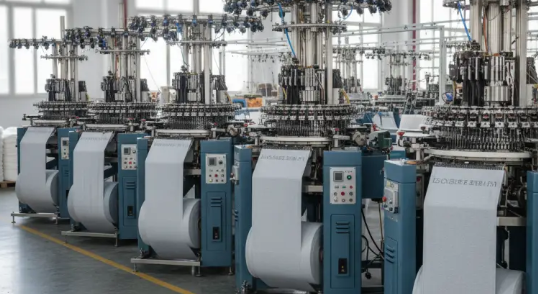
A Single Jersey Circular Knitting Machine is a type of circular knitting equipment designed to produce single-knit fabrics using a single needle bed. It operates by continuously interlocking yarn loops in a circular formation, forming tubular fabric structures.
The fabric produced typically has:
- A smooth, uniform face side
- A textured back side
- Good elasticity and breathability
- Lightweight construction
These characteristics make single jersey fabrics highly suitable for T-shirts, casual wear, sportswear, and base layers.
Working Principle of Single Jersey Circular Knitting Machine
The machine uses a rotating cylinder fitted with latch needles. As the cylinder rotates:
- Yarn is fed into the needles via feeders
- Needles rise and capture the yarn
- Loops are formed and drawn downward
- Fabric is continuously produced in a tubular form
This continuous operation allows for high-speed production and consistent output quality.
Key Components of a Single Jersey Circular Knitting Machine
Understanding machine components is essential when evaluating suppliers, as component quality directly affects performance and durability.
1. Needle Cylinder
The needle cylinder is the core part of the machine. It holds and guides the needles in a circular arrangement. High-precision machining ensures smooth operation and reduces friction, which extends needle life and improves fabric uniformity.
2. Knitting Needles
Needles determine fabric quality and texture. Common types include:
- Latch needles
- Compound needles
- Spring needles
High-quality needles ensure stable loop formation and reduce defects such as dropped stitches or uneven loops.
3. Yarn Feeding System
The yarn feeder system controls how yarn is delivered into the knitting zone. Advanced systems include electronic feeders that:
- Maintain consistent yarn tension
- Reduce yarn breakage
- Improve fabric uniformity
- Support multi-color patterning in jacquard models
4. Take-Down System
This system pulls fabric downward at a controlled rate. Stable take-down tension is essential for maintaining consistent fabric density and preventing distortion.
5. Drive and Transmission System
The motor and transmission components control machine rotation speed. Modern machines use servo motors and frequency converters for energy efficiency and precise speed control.
6. Control System
Computerized control panels are now standard in modern machines. These systems allow operators to:
- Adjust knitting parameters
- Monitor production speed
- Detect errors in real time
- Store production programs
Main Features of Single Jersey Jacquard Knitting Machines
Many suppliers offer upgraded versions such as Single Jersey Jacquard Knitting Machines, which expand production capabilities.
High Precision Pattern Control
Jacquard systems use computerized needle selection technology to produce complex patterns with high accuracy. This ensures sharp design clarity and consistent repeatability across production batches.
Flexible Production Capability
These machines can switch between different fabric patterns quickly through software programming. This flexibility supports:
- Fashion trend adaptation
- Small batch production
- Custom design manufacturing
High Production Efficiency
Modern single jersey machines operate at high rotational speeds, significantly improving output. Some advanced models can reach high RPM levels while maintaining fabric stability.
Energy Efficiency
Energy-saving motors and optimized mechanical structures reduce power consumption, lowering long-term operational costs.
Reduced Maintenance Requirements
Improved mechanical design and durable components reduce downtime and minimize maintenance frequency.
Important Technical Factors When Choosing a Machine
Selecting the right machine requires evaluating several technical parameters that directly affect fabric quality and productivity.
1. Needle Gauge Selection
Gauge refers to the number of needles per inch or unit area. It determines fabric fineness.
- High gauge (18–28G): Fine, lightweight fabrics
- Medium gauge (14–18G): Standard apparel fabrics
- Low gauge (7–12G): Heavy and thick fabrics
Choosing the correct gauge depends on the target product market.
2. Machine Diameter
The diameter affects production capacity and fabric width. Common diameters range from:
14 inches to 40+ inches
Larger diameters support higher output but require more space and energy.
3. Yarn Compatibility
A good machine should support various yarn types:
- Cotton
- Polyester
- Blended yarns
- Spandex elastic yarn
Compatibility ensures flexibility in production planning.
4. Feeding System Efficiency
Advanced electronic feeders improve:
- Yarn tension stability
- Multi-feed precision
- Color pattern accuracy
This is especially important for high-end textile products.
5. Speed and Stability Balance
High speed is important, but stability is more critical. Machines that operate at high RPM but maintain low vibration deliver better long-term performance.
How to Choose a Reliable Single Jersey Knitting Machine Manufacturer in China
China has thousands of textile machinery suppliers, ranging from small workshops to large-scale industrial manufacturers. Choosing the right one requires a structured evaluation approach.
1. Manufacturing Capability
A reliable supplier should have:
- Large-scale production facilities
- CNC machining equipment
- Heat treatment and precision assembly lines
- Strong R&D capabilities
Manufacturers with integrated production systems typically offer better quality control and consistency.
2. Quality Control System
A strong quality control process is essential. Look for suppliers that implement:
- Incoming material inspection
- Precision component testing
- Assembly quality verification
- Full machine trial running before shipment
ISO-based quality management systems are a strong indicator of reliability.
3. Technical R&D Strength
Suppliers with independent R&D teams can:
- Improve machine design continuously
- Develop energy-efficient models
- Enhance control system software
- Provide customized solutions
This is especially important for buyers with special fabric requirements.
4. After-Sales Service Support
After-sales service is one of the most critical factors when selecting a supplier. Good manufacturers offer:
- Remote technical support
- Installation guidance
- Operator training
- Spare parts supply
- On-site maintenance when needed
Without strong service support, even high-quality machines can become difficult to operate efficiently.
5. Spare Parts Availability
Reliable suppliers ensure long-term availability of:
- Needles
- Cylinder components
- Electronic controllers
- Feeders and sensors
Fast spare parts supply reduces downtime and production losses.
6. Customization Capability
Different factories have different production needs. A strong manufacturer should support:
- Gauge customization
- Diameter customization
- Pattern system upgrades
- Special yarn adaptation
Customization capability reflects technical maturity.
Evaluating Supplier Reputation in China
When sourcing Single Jersey Knitting Machine Supplier from China, reputation evaluation is essential.
1. Export Experience
Suppliers with global export experience are more reliable because they understand:
- International quality standards
- Packaging requirements
- Shipping logistics
- Customer communication expectations
2. Client Portfolio
A strong supplier usually serves:
- Textile mills
- Garment manufacturers
- Export-oriented factories
Diverse clients indicate stable product quality.
3. Market Feedback
Look for feedback on:
- Machine durability
- Production efficiency
- Maintenance frequency
- Fabric quality output
Consistent positive feedback is a strong indicator of reliability.
Pricing Considerations
Price is always an important factor, but it should not be the only decision criterion.
Factors affecting price:
- Machine configuration
- Automation level
- Gauge and diameter
- Brand components used
- Control system sophistication
Low-priced machines may reduce initial investment but often lead to:
- Higher maintenance costs
- Lower efficiency
- Shorter lifespan
A balanced cost-performance ratio is more important than the lowest price.
Common Mistakes When Choosing Suppliers
Many buyers make avoidable mistakes when purchasing knitting machines.
1. Focusing Only on Price
Ignoring quality and service for lower cost often leads to higher long-term losses.
2. Ignoring Spare Parts Supply
Some suppliers cannot provide long-term spare parts support, causing production disruption.
3. Overlooking Training Support
Without proper training, operators may not fully utilize machine capabilities.
4. Not Testing Machine Performance
Failing to request sample fabric testing may result in unexpected quality issues.
5. Ignoring After-Sales Response Speed
Slow technical support can cause costly downtime in production environments.
Trends in Single Jersey Knitting Machine Industry
The knitting machinery industry is evolving rapidly, especially in China.
1. Automation and Smart Control
Machines are increasingly equipped with:
- AI-assisted monitoring
- Digital production tracking
- Remote diagnostics
2. Energy Saving Technology
New designs focus on reducing power consumption while maintaining high output.
3. High-Speed Precision Engineering
Manufacturers are improving mechanical precision to support higher RPM without vibration.
4. Digital Manufacturing Integration
Machines are being integrated into factory-wide digital production systems.
5. Customization Demand Growth
The rise of fast fashion increases demand for flexible and programmable machines.
Conclusion
Choosing a Single Jersey Circular Knitting Machine supplier in China is a strategic decision that directly impacts production efficiency, fabric quality, and long-term profitability. While China offers a wide range of manufacturers, not all suppliers provide the same level of quality, engineering capability, and service support.
A reliable supplier should demonstrate strong manufacturing capability, advanced R&D strength, strict quality control systems, and responsive after-sales service. At the same time, buyers must carefully evaluate technical parameters such as gauge, diameter, feeding systems, and automation level to ensure the machine matches production requirements.
Ultimately, the best choice is not the cheapest machine, but the one that delivers stable performance, consistent fabric quality, and long-term operational reliability.

 English
 Arabic
 French
 Spanish
 Portuguese
 Deutsch
 Dutch
Dutch
 Italiano
 Russian
 Romaian
 Portuguese (Brazil)
 Greek
Greek
