


What Could Make India’s Cards and Payments Ecosystem More Digital and Inclusive?
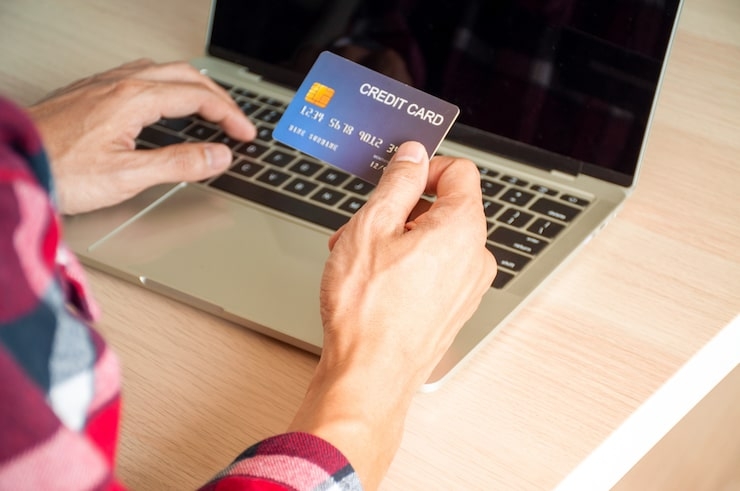
India’s payments landscape is changing as consumers, merchants, banks, and digital platforms increasingly look for faster, simpler, and more flexible ways to transact. According to a Vyansa Intelligence report, the India cards and payments market was valued at $ 939.72 Billion in 2025 and is projected to reach $ 1628.39 Billion by 2032, registering a CAGR of 8.17% during 2026-2032. This expansion reflects a broader shift toward digital transactions, online commerce, card-based spending, mobile payments, and technology-enabled financial services.
Digital Payments Are Changing Everyday Transactions
The transition from traditional payment methods toward digital channels is becoming an important part of India’s payments landscape. Smartphones, internet connectivity, digital banking applications, QR-based transactions, and electronic payment infrastructure are changing how consumers complete everyday purchases.
UPI has become an important part of this transformation because it enables instant account-to-account payments through participating applications and banks. NPCI describes UPI as an instant payment system designed to facilitate transfers between bank accounts through a unified interface.
From an industry analysis perspective, this creates an environment in which payment providers need to focus not only on transaction capability but also on convenience, interoperability, reliability, and user experience.
Cards Continue to Have an Important Role
While digital payment methods are expanding rapidly, cards remain an important component of the payments ecosystem. The market research report highlights cards as a major instrument within India's payment structure, supported by their relevance across online and offline transactions.
Credit cards are particularly positioned around changing purchasing behaviour, online shopping, loyalty programmes, rewards, and partnerships that provide consumers with additional value. This makes card propositions increasingly connected to lifestyle and purchasing preferences rather than functioning simply as payment instruments.
Co-branded cards represent another area of opportunity. Partnerships between financial institutions and businesses can create payment products linked to specific spending categories, allowing issuers to differentiate their offerings and build stronger customer engagement.
Contactless Technology Supports Faster Consumer Experiences
Contactless payment technology is another important element of India's evolving payment environment. Consumers increasingly value payment experiences that reduce friction and make everyday transactions quicker and easier.
The latest market analysis indicates that contactless smart cards have an important position within the card ecosystem. Their relevance is connected with convenience, merchant acceptance, and consumer familiarity with tap-and-pay experiences.
Contactless functionality can also complement the broader shift toward digital commerce. As consumers become more accustomed to technology-enabled transactions, expectations around speed and simplicity can influence how payment products are designed and positioned.
Financial Inclusion Remains a Key Consideration
India's payment ecosystem is also closely connected with financial inclusion. Expanding access to formal banking services can create opportunities for more consumers to participate in digital financial systems and use electronic payment instruments.
The report identifies government-led financial inclusion efforts as an important factor supporting card adoption. This creates a connection between access to banking services and the wider development of payment behaviour.
For detailed market insights, the relationship between financial inclusion and payment adoption is particularly significant because digital payment expansion depends not only on technology but also on consumer access, awareness, trust, and practical usability.
Online Commerce Is Influencing Payment Behaviour
The expansion of online purchasing is another factor influencing how consumers interact with payment instruments. As more purchases take place through digital channels, payment providers have greater opportunities to integrate cards, wallets, QR-based payments, and other electronic methods into online experiences.
This shift also increases the importance of payment security and authentication. Consumers expect transactions to be convenient without compromising confidence in the safety of their financial information.
The cards and payments industry report therefore points toward an ecosystem where payment providers must balance convenience with security, while businesses need payment options that can work smoothly across different customer journeys.
Competition Is Moving Beyond Basic Payment Access
Competition within India's payments ecosystem is increasingly influenced by the overall value proposition offered to users. Payment providers can differentiate through rewards, partnerships, digital experiences, customer service, security features, and flexible payment options.
For businesses, payment acceptance is becoming part of the broader customer experience. Consumers may increasingly compare payment options based on ease of use, benefits, accessibility, and compatibility with their preferred digital platforms.
This creates an important consideration for industry analysis: long-term competitiveness is not determined solely by the availability of a payment instrument. It also depends on how effectively that instrument fits into changing consumer behaviour.
What Could Define the Next Phase?
India's cards and payments ecosystem is entering a phase where multiple payment methods will continue to coexist. Cards, mobile wallets, contactless technologies, QR-based payments, and other digital channels can serve different consumer and merchant requirements.
The market research report suggests that the future of the ecosystem will be influenced by digital adoption, changing purchasing behaviour, financial inclusion, online commerce, and innovation in payment products. At the same time, providers will need to address practical issues such as infrastructure, security, accessibility, and consumer trust.
The broader India cards and payments market analysis therefore points to an ecosystem that is becoming increasingly technology-driven while continuing to depend on the fundamentals of accessibility, reliability, and consumer value. The organisations best positioned to respond to these changing expectations will be those that can combine digital convenience with secure and relevant payment experiences.

 English
 Arabic
 French
 Spanish
 Portuguese
 Deutsch
 Dutch
Dutch
 Italiano
 Russian
 Romaian
 Portuguese (Brazil)
 Greek
Greek
