


Amylase Test for Salivary Gland Problems: What to Know
When you think about an amylase test, you may immediately associate it with the pancreas. That is understandable because amylase testing is commonly used when healthcare professionals are evaluating possible pancreatic problems. However, the pancreas is not the only major source of this digestive enzyme.
The salivary glands also produce amylase. As a result, certain disorders affecting these glands can influence the amount of amylase found in the blood.
An Amylase Test in Dubai may therefore provide useful information when a healthcare professional is investigating swelling, pain, or other symptoms involving the salivary glands. But the test has limitations, and an abnormal amylase result does not automatically identify the salivary glands as the cause.
Understanding the relationship between amylase and salivary gland health can help you better understand why this test may be ordered and what your results can actually tell you.
Why Do the Salivary Glands Produce Amylase?
The salivary glands are part of the digestive system and begin the digestive process before food reaches the stomach.
Saliva helps moisten food, making it easier to chew and swallow. It also contains enzymes, including amylase, that begin breaking down carbohydrates in the mouth.
Several major salivary glands contribute to saliva production, including the parotid, submandibular, and sublingual glands.
Because these glands release amylase, problems affecting them can sometimes alter blood amylase levels.
This is one reason an elevated serum amylase result should not automatically be interpreted as evidence of pancreatic disease.
When Might a Salivary Gland Problem Be Suspected?
Salivary gland disorders can produce symptoms that are different from the classic symptoms associated with pancreatic conditions.
Depending on the underlying problem, a person may experience:
-
Swelling near the cheek or jaw
-
Pain around a salivary gland
-
Dry mouth
-
Difficulty swallowing
-
Tenderness when eating
-
Reduced or altered saliva production
-
A lump or enlargement near a gland
-
Recurrent swelling that appears around mealtimes
The location of swelling can provide useful information. For example, the parotid glands are located near the cheeks and in front of the ears, while the submandibular glands sit beneath the jaw.
If these symptoms are present, a healthcare professional may examine the mouth, jaw, neck, and salivary glands before deciding whether laboratory testing is appropriate.
What Is the Role of an Amylase Test?
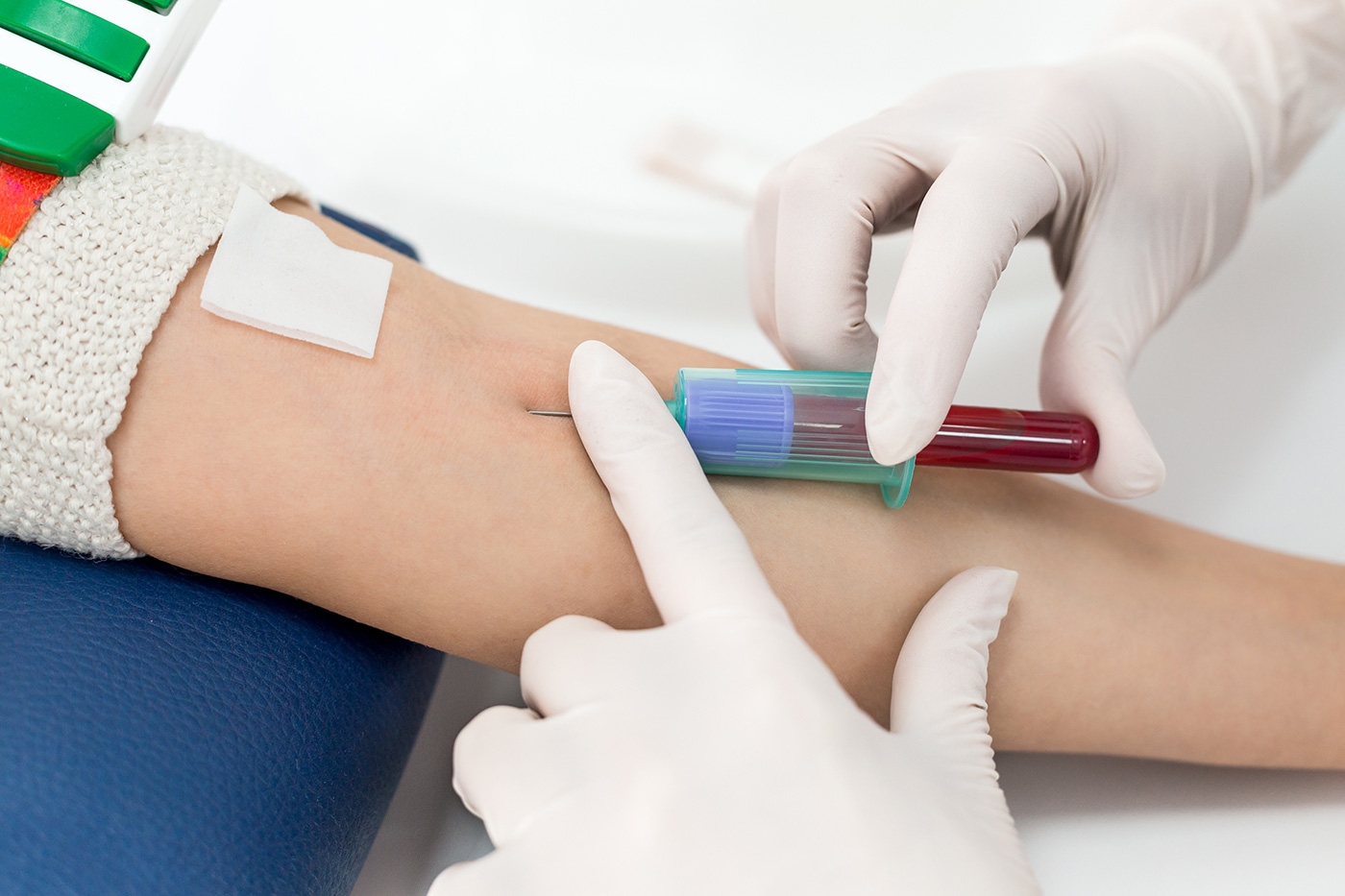
An amylase test measures the amount of amylase in a biological sample, most commonly blood or urine.
When salivary gland disease is suspected, an amylase blood test may be used as part of a broader evaluation.
An elevated result can provide a clue that increased amylase is entering the bloodstream. However, the test cannot independently determine whether the source is the salivary glands, pancreas, or another condition.
This means that the amylase result must be interpreted alongside the patient's symptoms and examination findings.
Which Salivary Gland Conditions Can Affect Amylase?
Several salivary gland conditions may be associated with increased amylase levels.
One example is sialadenitis, which refers to inflammation of a salivary gland. It may occur because of infection, reduced saliva flow, or other causes.
Another possibility is a blocked salivary gland duct. A stone or other obstruction can interfere with normal saliva flow and cause swelling and discomfort, sometimes particularly during meals.
Viral illnesses can also affect the salivary glands. Certain infections may cause swelling of the parotid glands and can be associated with increased amylase.
However, an amylase elevation is not specific enough to identify one of these conditions by itself. The healthcare professional must consider the complete clinical presentation.
What Does a High Amylase Result Mean in This Situation?
If your amylase is high and you also have swelling or pain around the salivary glands, your healthcare professional may consider a salivary gland disorder as one possible explanation.
But the same laboratory finding can occur with pancreatic and other medical conditions.
This is particularly important because many people associate high amylase exclusively with pancreatitis.
In reality, amylase is produced by both the pancreas and salivary glands. Therefore, an elevated level does not reveal its source by itself.
A high result is best viewed as a clue that needs to be matched with the symptoms, physical examination, medical history, and other test results.
Can the Amylase Test Tell Which Gland Is Affected?
Usually, a routine total amylase test cannot pinpoint the exact salivary gland responsible for an abnormal result.
The test measures the amount of enzyme present, rather than providing a detailed anatomical picture.
If a healthcare professional suspects a problem with a particular salivary gland, additional evaluation may be more informative.
This may include a physical examination of the gland, examination of the mouth and salivary ducts, or imaging such as ultrasound. In selected cases, other imaging or specialist evaluation may be considered.
The appropriate approach depends on the symptoms and suspected cause.
Why Symptoms Matter So Much?
Laboratory testing is most useful when it answers a specific clinical question.
Consider someone who has an elevated amylase result but no swelling, mouth symptoms, or jaw discomfort. The result may have several possible explanations.
Now consider someone with swelling near the parotid gland, pain that worsens during meals, and an elevated amylase level. In that context, a salivary gland problem may deserve greater consideration.
The laboratory value itself has not changed in meaning, but the clinical context has.
This illustrates why healthcare professionals do not diagnose salivary gland disease from an amylase number alone.
Amylase and Pancreatic Problems Can Look Similar:
One of the challenges with amylase testing is that pancreatic and salivary gland conditions can both influence the same laboratory measurement.
Pancreatic inflammation, especially acute pancreatitis, may cause a substantial rise in blood amylase. Salivary gland disorders can also increase amylase.
The symptoms often provide important clues about the likely source.
Upper abdominal pain, particularly when severe and associated with nausea or vomiting, may make pancreatic disease more relevant. Swelling around the cheeks or jaw, mouth discomfort, and symptoms linked to eating may point toward a salivary gland problem.
These patterns are not diagnostic by themselves, but they help guide further evaluation.
Would a Lipase Test Help?
If there is concern about the pancreas, a lipase test may be ordered along with amylase.
Lipase is a pancreatic digestive enzyme and is generally more specific for acute pancreatitis than amylase.
This can help healthcare professionals distinguish a possible pancreatic process from an isolated amylase elevation, although lipase also must be interpreted within the broader clinical picture.
If your symptoms primarily involve the salivary glands and you have no signs suggesting pancreatic disease, the evaluation may focus more heavily on the affected gland and its local symptoms.
What About an Amylase Urine Test?
An amylase urine test measures the enzyme excreted through the kidneys.
Urine amylase testing may sometimes be used when investigating conditions associated with abnormal amylase levels, but it is not usually a standalone test for diagnosing a specific salivary gland disorder.
A healthcare professional determines whether blood testing, urine testing, imaging, or another examination is appropriate based on the clinical question.
How Is a Salivary Gland Problem Diagnosed?
Amylase testing is only one possible part of the evaluation.
A healthcare professional may begin by asking about:
-
When the swelling or pain started
-
Whether symptoms occur during meals
-
Recent infections
-
Dry mouth or reduced saliva
-
Previous salivary gland problems
-
Medication use
-
Other symptoms affecting the mouth, jaw, or neck
A physical examination may then help identify swelling, tenderness, duct blockage, or other abnormalities.
If necessary, imaging can provide information that an enzyme test cannot.
Ultrasound, for example, may help visualize certain salivary gland abnormalities and can sometimes identify stones or changes in gland structure.
What Does a Normal Amylase Result Mean?
A normal amylase level does not necessarily mean that the salivary glands are completely healthy.
Many salivary gland conditions do not cause a significant change in blood amylase.
The test is therefore not designed to screen for every salivary gland disorder.
If you have persistent swelling, pain, dry mouth, recurrent symptoms during meals, or another concerning change, medical evaluation may still be appropriate even when the amylase result falls within the laboratory reference range.
What Does a Low Amylase Result Mean?
Low amylase generally receives less attention when evaluating salivary gland problems.
A low result can have several explanations and does not independently establish a salivary gland disorder.
As with an elevated result, interpretation depends on the reason the test was ordered and what other clinical findings are present.
A healthcare professional may determine whether additional evaluation is needed based on the complete picture.
What Is the Amylase Reference Range?
Your laboratory report should provide a reference range for the amylase test.
Reference intervals can vary between laboratories because different testing methods and laboratory populations may be used.
Therefore, there is no single amylase value that should be considered normal for everyone.
If your result is flagged as high, it means that it falls outside the range used by that particular laboratory. It does not automatically identify a salivary gland or pancreatic disease.
Always use the reference range printed on your own report when discussing the result with your healthcare professional.
When Should Salivary Gland Symptoms Be Checked?
Occasional mild mouth discomfort may not indicate a serious problem, but persistent or recurring salivary gland symptoms deserve attention.
Consider medical evaluation if you develop persistent swelling around the cheek or jaw, recurrent pain during meals, unexplained dry mouth, difficulty swallowing, a persistent lump, or symptoms that worsen rather than improve.
Fever, significant swelling, severe pain, or difficulty swallowing or breathing can require more urgent assessment.
These symptoms can have multiple causes, so a healthcare professional should determine whether laboratory testing, imaging, or another evaluation is appropriate.
Frequently Asked Questions:
Can an amylase test diagnose a salivary gland infection?
No. An elevated amylase level may provide supporting information, but it cannot independently diagnose a salivary gland infection. Symptoms, examination, and sometimes imaging or other tests are needed.
Does high amylase always mean a pancreas problem?
No. Amylase is produced by both the pancreas and salivary glands. Salivary gland disorders and other conditions can also contribute to an elevated level.
Can a salivary gland stone increase amylase?
A blocked salivary gland duct can be associated with changes in amylase, particularly when the gland becomes inflamed. However, the laboratory result alone cannot confirm the presence of a stone.
Is amylase the best test for salivary gland disease?
Not necessarily. The most appropriate evaluation depends on the suspected condition. Physical examination and imaging may provide more direct information about the affected gland.
Should I worry about an elevated serum amylase?
Not automatically. An elevated serum amylase has several possible causes. Your symptoms, medical history, reference range, and other test results are important for determining its significance.
Final Takeaway:
The amylase Lab tests for salivary gland problems can provide useful supporting information because the salivary glands are an important source of amylase. Certain conditions affecting these glands may contribute to an elevated blood amylase level.
However, amylase is not specific to the salivary glands. The pancreas also produces this digestive enzyme, and several other medical conditions can affect its level. For that reason, a high amylase result cannot independently diagnose a salivary gland disorder.
When symptoms such as cheek or jaw swelling, pain during meals, dry mouth, or recurrent gland tenderness are present, healthcare professionals may combine the amylase result with a physical examination and, when appropriate, imaging studies.
The most important point is to interpret the laboratory value in context. Amylase can provide a helpful clue, but understanding the cause of a salivary gland problem usually requires looking beyond a single blood test.

 English
 French
 Spanish
 Portuguese
 Deutsch
 Turkish
 Dutch
Dutch
 Italiano
 Russian
 Romaian
 Portuguese (Brazil)
 Greek
Greek
