


Overhead Ground Wire Systems for Modern Power Transmission and High Voltage Protection Infrastructure
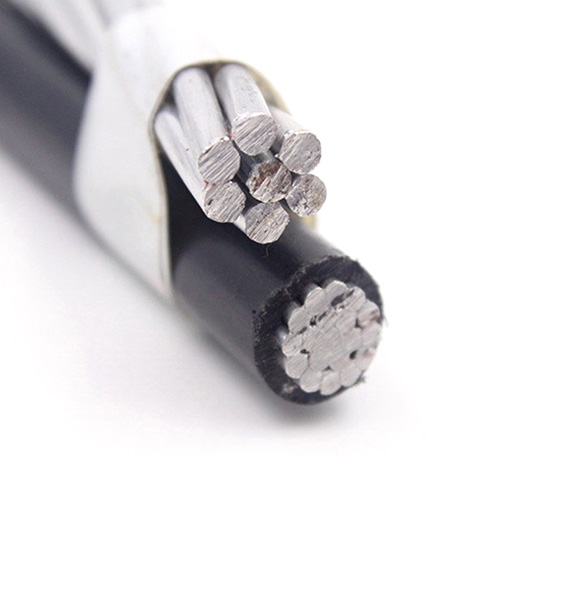
Electrical distribution and extra-high-voltage transmission networks are constantly exposed to unpredictable atmospheric elements, mechanical stresses, environmental corrosion, and unexpected transient electrical faults. To preserve structural integrity and maintain continuous power delivery across vast geographical areas, electrical grid designers rely on robust protective assemblies installed at the very peak of utility structures. An overhead ground wire serves as the primary shield for overhead power lines, intercepting direct lightning strikes, diverting massive surge currents safely into the grounding system, and stabilizing system voltages during fault conditions.
In high-voltage grid construction, selecting the ideal shielding conductor requires balancing mechanical strength, electrical conductivity, thermal endurance, and long-term corrosion resistance. Traditional galvanized steel wires historically offered adequate tensile strength to withstand high physical loads, but they suffered from low electrical conductivity and rapid environmental degradation. Over time, advanced material engineering brought forth specialized composite wire cable designs, most notably aluminum clad steel conductor solutions. These hybrid wire cable structures integrate the superior mechanical properties of high-carbon steel with the exceptional electrical performance and corrosion resistance of high-purity aluminum.
Understanding the primary function of an overhead ground wire requires examining the dynamic environment of overhead power transmission lines. Positioned above energized phase conductors on transmission towers and distribution poles, the overhead ground wire creates a protective umbrella over the entire power line span. When lightning strikes a transmission corridor, it naturally targets the highest metallic point. Instead of striking the active phase cables and causing immediate line trips, insulation damage, or power transformer destruction, the surge hits the overhead ground wire. The lightning current travels along the wire down the tower structures to ground rods buried deep within the earth, shielding the energized line below.
In addition to lightning protection, an overhead ground wire plays an essential role during power system line-to-ground short circuits. When an electrical fault occurs due to tree branch contact, equipment failure, or insulator flashover, massive fault currents seek a path back to the substation neutral point. The shield wire provides a low-impedance metallic return path, reducing ground potential rise at nearby structures, minimizing electromagnetic interference with adjacent telecommunication infrastructure, and preventing hazardous step-and-touch voltages around utility pole bases.
The physical construction of modern shielding wire cable relies heavily on cladding technology. Cladded wires, such as aluminum clad steel wire and stranded assemblies, are manufactured through a precise continuous cold-welding or extrusion bonding process. A thick, uniform layer of high-conductivity EC-grade aluminum is metallurgically bonded to a high-strength carbon steel core rod. This seamless bond ensures that the aluminum cladding will not flake, crack, peel, or separate from the steel core during rigorous wire stranding, high-tension pulling, reel rewinding, or decades of outdoor exposure.
Electrical utilities utilize various standard conductivity ratings for aluminum clad steel wire cable, typically specified as 20.3% IACS (International Annealed Copper Standard) or 40% IACS. The 20.3% IACS conductivity variant features a standard aluminum cladding thickness and provides maximum tensile strength, making it perfect for long river crossings, mountainous terrain, and long-distance transmission spans where high tension and resistance to sag are paramount. The 40% IACS conductivity variant features a thicker layer of aluminum cladding, providing significantly lower electrical resistance and higher thermal capacity for grid regions that experience high fault current levels.
Mechanical durability is a major consideration when designing aerial shield systems. Overhead conductors and ground wires are subjected to continuous tension, ice accumulation, heavy snow loads, hurricane-force winds, and Aeolian vibrations caused by laminar wind flow. Steel provides the necessary tensile strength to maintain safe clearance distances above phase conductors, ground levels, road crossings, and buildings under severe weather conditions. The inner high-carbon steel core delivers exceptional breaking strength, enabling long span distances between towers without excessive conductor sag.
Simultaneously, the outer continuous layer of pure aluminum serves two crucial functions: electrical performance and aggressive corrosion prevention. In industrial regions, coastal environments, humid tropical zones, and areas exposed to severe chemical atmospheric pollution, unclad or poorly coated steel rapidly oxidizes. Rust compromises structural integrity, reduces cross-sectional metallic area, weakens mechanical load capacity, and eventually causes wire breakage. The seamless aluminum coating on an aluminum clad steel overhead ground wire forms a dense, self-healing oxide film upon atmospheric exposure. This barrier blocks moisture, salt spray, sulfur dioxide, and industrial contaminants from ever reaching the steel core. As a result, the wire cable exhibits virtually identical atmospheric corrosion resistance to all-aluminum conductors, offering a service life that often exceeds fifty years without structural degradation.
From an electrical perspective, the skin effect plays a major role in how high-frequency lightning surges and alternating currents travel through a metallic conductor. High-frequency electrical surges naturally travel along the outer perimeter of a conductor. Because the aluminum cladding surrounds the exterior surface of the wire cable, the high-frequency surge current encounters a high-conductivity path with low electrical resistance. This allows lightning discharge currents and severe fault surges to dissipate quickly along the span toward grounding points without generating excessive heat that could melt or degrade the wire structure.
Manufacturing standards for these specialized wire cable products ensure strict quality control, precise geometrical dimensions, reliable breaking loads, and exact electrical parameters. Global standards such as ASTM B415 (for single aluminum-clad steel solid wire), ASTM B416 (for concentric-lay-stranded aluminum-clad steel conductors), DIN 48201, and GB/T 1179 specify detailed testing criteria. These tests include tensile strength evaluation, elongation measurements, electrical resistance verification, cladding thickness uniformity checks, and torsion testing to ensure the aluminum layer remains firmly bonded to the steel core under severe twisting forces during installation.
The physical configuration of an overhead ground wire varies depending on the specific voltage level, span length, and mechanical loading requirements of the utility grid. Single solid wires are often used on lower-voltage distribution lines or short spans, while stranded wire cables containing 3, 7, 19, or 37 individual wires braided together are used for high-voltage and extra-high-voltage transmission networks. Stranding adds flexibility to the overall cable, making it easier to transport on heavy wooden or steel reels, simpler to handle during stringing, and far more resistant to mechanical fatigue caused by wind-induced vibrations.
During line construction, proper tensioning and hardware selection are vital to ensuring optimal performance. Specialized stringing equipment, tensioners, pulling grips, suspension clamps, dead-end grips, and vibration dampers are designed specifically for aluminum clad steel wire cable. Because aluminum is softer than steel, installation crews must use smooth-grooved pulleys and plastic-lined running blocks to prevent surface abrasion on the aluminum cladding. Armor rods and preformed line products are typically wrapped around the overhead ground wire at support towers to distribute mechanical bending stresses, protect the wire cladding from clamp pinch points, and prevent fatigue failure caused by ongoing Aeolian vibration.
In modern smart grid architectures, the traditional functions of shielding and grounding are often combined with fiber optic communication technology. Modern optical ground wires (OPGW) integrate optical fiber bundles contained within stainless steel or aluminum tubes surrounded by outer layers of aluminum clad steel and aluminum alloy wires. The outer metallic strands act as the traditional overhead ground wire, handling lightning hits and fault currents while providing mechanical strength, while the inner optical fibers carry high-speed digital communications, supervisory control and data acquisition (SCADA) information, protective relaying signals, and grid monitoring data. In these hybrid cables, the inclusion of high-strength aluminum clad steel strands is essential to safeguard the delicate optical fibers from extreme mechanical strain and thermal spikes during short-circuit events.
Selecting the right wire cable specification for utility transmission corridors requires a detailed engineering analysis of several local parameters:
-
Anticipated short-circuit fault current levels and clearing times calculated by power system protection engineers.
-
Local weather histories, including maximum design wind speeds, maximum radial ice accretion, and ambient temperature ranges.
-
Span lengths between transmission towers, terrain elevation profiles, and required ground clearance margins.
-
Atmospheric corrosion classifications, such as proximity to sea coasts, chemical processing plants, or heavy urban pollution.
-
Mechanical tension limits under everyday conditions to prevent long-term creep and excessive vibration fatigue.
By carefully evaluating these mechanical, electrical, and environmental variables, utility engineers can optimize their transmission line design, reducing total lifecycle operating costs and avoiding unexpected power outages. Replacing older galvanized steel static wires with high-performance aluminum clad steel wire cable drastically reduces routine line maintenance, eliminates frequent corrosion inspections, and minimizes expensive emergency repairs caused by line dropping or strand breakage.
Furthermore, the electrical efficiency offered by aluminum cladding contributes directly to reduced energy losses across the transmission network. During normal operating conditions, magnetic fields generated by the high-current phase conductors induce circulating currents inside adjacent metallic shield wires. Because aluminum clad steel has significantly lower DC and AC resistance compared to standard steel wire, the electrical energy lost as heat within the shield wire is drastically minimized. Over thousands of miles of transmission corridors operating continuously for decades, these reduced inductive line losses translate into substantial monetary savings and improved overall energy efficiency for grid operators.
Final Thoughts
The reliable operation of global electrical power infrastructure depends heavily on robust protection systems capable of handling severe environmental conditions and sudden electrical surges. An overhead ground wire constructed with high-quality aluminum clad steel offers the ultimate balance of high mechanical tensile strength, superior electrical conductivity, and long-term corrosion resistance. By shielding high-voltage transmission lines from lightning strikes, carrying heavy fault currents safely to earth, and enduring severe wind and ice loads, these advanced wire cable solutions protect critical grid assets and ensure continuous energy delivery to communities worldwide. Utility companies investing in premium aluminum clad steel conductors gain long-term system stability, reduced maintenance expenses, and an essential foundation for reliable grid infrastructure.

 English
 Arabic
 French
 Spanish
 Portuguese
 Turkish
 Dutch
Dutch
 Italiano
 Russian
 Romaian
 Portuguese (Brazil)
 Greek
Greek
