


Fiber Laser Cleaning Machine: How Does It Transform Modern Surface Cleaning
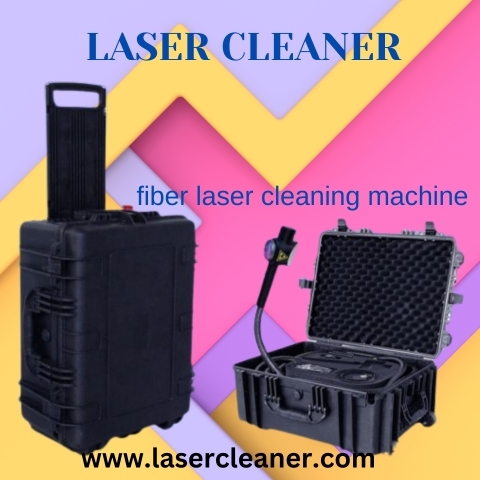
Surface preparation has become an important part of manufacturing, maintenance, restoration, and metalworking. Traditional cleaning methods can require chemicals, abrasive materials, or considerable manual effort, while modern laser technology offers a more controlled approach. A fiber laser cleaning machine uses concentrated laser energy to remove unwanted materials from a surface without relying on conventional solvents or abrasive blasting.
Understanding Fiber Laser Cleaning Technology
A fiber laser cleaning machine generates a high-intensity laser beam through a fiber laser source. The beam is directed toward the surface that needs treatment, where carefully controlled laser pulses interact with contaminants such as rust, paint, oxidation, grease, oil, and other unwanted layers.
The laser energy causes the unwanted material to detach, evaporate, or separate from the underlying surface. By adjusting parameters such as laser power, pulse settings, scanning speed, and beam movement, operators can adapt the cleaning process to different materials and contamination levels.
This controlled approach has made fiber laser cleaning increasingly relevant in workshops, factories, fabrication facilities, automotive operations, and industrial maintenance.
What Can a Fiber Laser Cleaning Machine Remove?
The range of applications depends on the machine's configuration and operating parameters. Common cleaning tasks include removing rust from carbon steel components, eliminating old paint from metal structures, cleaning oxidation from metal surfaces, and removing oil or grease accumulated during manufacturing or maintenance.
It can also be used for preparing surfaces before welding, coating, painting, or other production processes. Removing contaminants before these operations can help create a cleaner working surface and support more consistent downstream processing.
For restoration work, laser cleaning can also be used on selected metal components where precise control is required. The appropriate settings are important because different materials and coatings respond differently to laser energy.
Industrial Applications
Manufacturing companies use laser cleaning technology in several stages of production. Before welding, for example, contaminants or oxidation can be removed from the joining area. A clean surface can make subsequent processing more consistent and reduce the presence of unwanted surface residues.
In automotive manufacturing and repair, laser cleaning can be applied to metal components, molds, tools, and selected vehicle parts. It can assist with removing paint, rust, carbon deposits, and other contamination depending on the application.
Metal fabrication is another important area. Workshops frequently work with steel, stainless steel, aluminum, and other materials that require surface preparation. A fiber laser cleaning machine can provide a controlled method for treating these surfaces before further processing.
Rust Removal With Laser Technology
Rust removal is one of the most recognizable applications of industrial laser cleaning. Rust forms when metal reacts with oxygen and moisture, creating an unwanted oxidized layer. If it remains untreated, corrosion can continue to affect the surface.
A fiber laser cleaning machine directs energy at the contaminated area and separates the rust from the underlying material. Operators can move the laser across the surface systematically, treating specific sections according to the condition of the workpiece.
For larger industrial components, the cleaning process can be organized across the surface using appropriate scanning patterns. For smaller or more detailed parts, operators can work more precisely around edges, corners, and selected areas.
Removing Paint and Coatings
Old paint and coatings can create challenges during maintenance and refurbishment. Conventional paint removal may involve chemicals, scraping, or abrasive techniques. Laser cleaning provides another approach for selected industrial applications.
The laser can be adjusted according to the coating and substrate so that the unwanted layer is targeted while the operator works to preserve the underlying material. This makes parameter selection and testing particularly important when dealing with delicate or valuable components.
Paint removal can be useful when preparing machinery, metal structures, molds, automotive components, and fabricated parts for repainting or additional treatment.
Surface Preparation Before Welding
Clean surfaces are important for many welding applications. Oil, oxidation, paint, rust, and other contaminants can interfere with preparation and processing.
A fiber laser cleaning machine can be used before welding to remove unwanted surface material from the intended work area. This creates a more suitable surface for subsequent welding operations.
Manufacturers can incorporate laser cleaning into production workflows before welding, helping establish a repeatable preparation process. The exact settings should always be selected according to the material, contamination, and required surface condition.
Cleaning Industrial Molds and Tools
Molds and production tools can accumulate residues over time. If these deposits are not properly removed, they can interfere with manufacturing processes and surface quality.
Laser cleaning can be applied to selected molds, dies, and tools where controlled removal is required. Because the laser can be directed toward specific areas, operators can work around detailed shapes and surfaces according to the application.
Regular cleaning schedules can also become part of equipment maintenance programs, particularly in industries where molds and tooling are repeatedly exposed to production residues.
Choosing the Appropriate Machine
Selecting a fiber laser cleaning machine requires consideration of the intended application rather than focusing only on laser power. Different jobs can require different configurations, operating modes, beam patterns, and cleaning speeds.
For example, removing light oxidation from a small component is different from treating thick rust or large painted surfaces. Material type is also important because steel, aluminum, stainless steel, and other substrates react differently to laser energy.
Before purchasing equipment, businesses should identify the materials they regularly process, the contaminants they need to remove, the approximate workpiece dimensions, and the required production volume.
Operating and Safety Considerations
Laser cleaning equipment should be operated by trained personnel who understand the machine's controls and safety procedures. Industrial laser systems can produce powerful laser radiation, so appropriate protective measures are essential.
The workspace should be arranged according to the equipment manufacturer's safety requirements. Operators should use the specified protective equipment and follow applicable laser-safety procedures. Adequate ventilation and appropriate handling of removed contaminants are also important because cleaning can release particles, fumes, or vaporized material.
Regular inspection and maintenance of the laser source, optical components, cooling system, electrical connections, and other machine components can help maintain consistent operation.
Integrating Laser Cleaning Into Production
Businesses can integrate laser cleaning into different production stages. Some operations may use it as a preparation step before welding or painting, while others may use it during refurbishment or scheduled equipment maintenance.
For repetitive work, standardized cleaning parameters can help operators achieve more consistent results. Testing on representative samples before full-scale production is recommended, particularly when the material is expensive, delicate, or difficult to replace.
With an appropriate workflow, laser cleaning can become a dedicated part of manufacturing, repair, restoration, or maintenance operations.
Maintenance of the Equipment
Like other industrial machinery, a fiber laser cleaning machine requires routine care. Operators should follow the manufacturer's maintenance schedule and keep relevant optical and mechanical components clean.
The laser head and protective components should be inspected regularly. Cooling systems should also be maintained according to the manufacturer's instructions, especially in environments where machines operate for extended periods.
Keeping records of operating conditions, maintenance activities, and cleaning parameters can help businesses identify changes in machine performance and organize preventative maintenance.
Where Fiber Laser Cleaning Is Heading
Laser cleaning technology continues to develop as manufacturers seek more precise and controlled methods of surface treatment. Improvements in laser sources, scanning systems, machine controls, and automation are expanding the range of industrial applications.
Portable systems are particularly useful for maintenance teams that need to move equipment between work areas, while larger integrated systems can be incorporated into automated production lines.
Final Thoughts
A fiber laser cleaning machine provides a modern approach to removing rust, paint, oxidation, grease, and other unwanted materials from suitable surfaces. Its applications extend across manufacturing, welding preparation, automotive work, metal fabrication, maintenance, tooling, and restoration.

 English
 Arabic
 French
 Spanish
 Portuguese
 Deutsch
 Turkish
 Dutch
Dutch
 Italiano
 Russian
 Romaian
 Greek
Greek
