


Professional Coffee Cupping Kit by Coffee Pro Direct
Introduction:
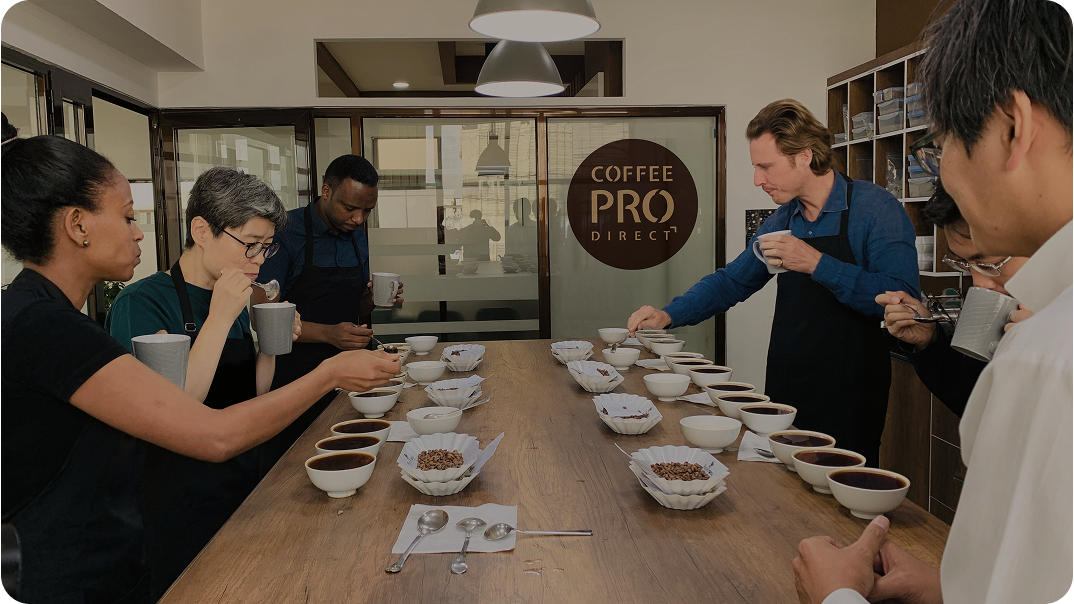
Coffee cupping is one of the most important methods used by coffee professionals to understand flavor, aroma, balance, and overall sensory characteristics. Whether you are a green coffee buyer, exporter, roaster, café owner, quality-control specialist, or coffee producer, having the right equipment can make sample evaluation more consistent and organized. A professional coffee cupping kit brings essential tools together so multiple coffees can be prepared and evaluated under controlled conditions. For Vietnam’s growing coffee industry, a reliable cupping setup is especially useful for comparing Robusta and Arabica samples, evaluating processing differences, and supporting purchasing and quality-control decisions. Coffee Pro Direct provides equipment-focused solutions for businesses developing professional coffee evaluation workflows.
What Is a Professional Coffee Cupping Kit?
A professional coffee cupping kit is a collection of specialized tools used to prepare, taste, compare, and document coffee samples. Unlike a basic home tasting setup, a professional kit is designed around consistency, repeatability, cleanliness, and efficient sample comparison.
A complete kit may include cupping bowls, cupping spoons, a precision scale, coffee grinder, kettle, thermometer, stopwatch, sample trays, water containers, and documentation materials. More advanced setups may also include sample roasting equipment, moisture meters, green coffee grading tools, aroma references, and roast-color measurement devices.
The Specialty Coffee Association currently maintains standards covering sample preparation and tasting mechanics as part of its Coffee Value Assessment system. These standards are designed to support consistency and shared practices across professional coffee evaluation.
Why Professional Cupping Equipment Matters
Cupping is based on sensory perception, but the preparation process can strongly influence what the evaluator experiences. Differences in coffee dose, grind, water temperature, vessel size, brewing time, or sample handling can make comparisons less reliable.
A professional coffee cupping kit helps reduce unnecessary variation. Identical cups, consistent weighing, controlled water temperature, appropriate grinding, and accurate timing allow evaluators to focus on the coffee rather than differences in preparation.
SCA Premier Training Campus requirements specifically identify grinders, scales, bowls, kettles, and stopwatches as cupping equipment, illustrating how these basic components fit into a structured professional environment.
For Vietnamese coffee businesses, consistent equipment is valuable when comparing supplier samples, processing methods, harvest lots, and roast preparations.
Cupping Bowls for Consistent Sample Evaluation
Cupping bowls are among the most visible components of a professional setup. They provide the vessel in which coffee is brewed and evaluated, so their size, shape, material, and consistency matter.
Professional cupping environments generally use identical vessels for samples being compared. SCA training requirements specify tempered glass or ceramic as acceptable materials and provide recommended dimensions and capacities for cupping vessels in that training context.
Using identical bowls helps ensure that differences between samples are less likely to come from vessel variation. Bowls should also be durable, easy to clean, and resistant to retaining odors.
For busy laboratories and roasting facilities, having enough matching bowls for the number of samples being tested can make the entire cupping workflow more efficient.
Cupping Spoons for Sensory Evaluation
Cupping spoons are essential tools for professional sensory evaluation. Their shape allows the evaluator to collect coffee from the bowl and taste it efficiently while moving between samples.
A good spoon should be comfortable to hold, easy to clean, and durable enough for frequent use. Stainless steel is commonly selected because it is practical for repeated professional use.
When evaluating several coffees, multiple spoons or a clear spoon-cleaning procedure can help maintain hygiene and minimize cross-sample contamination.
Cupping spoons may look simple, but they are an important part of a complete professional coffee cupping kit. SCA competition resources also identify cupping spoons among the smallwares used in professional coffee tasting environments.
Precision Scales for Accurate Coffee Dosing
A precision scale provides control over the amount of coffee and, when appropriate, water used during sample preparation. Accurate weighing is particularly important when comparing multiple coffees because inconsistent doses can affect extraction and sensory results.
A professional cupping scale should offer suitable accuracy, a stable weighing platform, an easy-to-read display, and a reliable tare function. Water resistance and simple cleaning are useful features in environments where hot water and coffee grounds are regularly handled.
SCA Premier Training Campus requirements include scales as part of the cupping equipment provided for students.
For Coffee Pro Direct customers, selecting a scale should therefore be based on the number of samples evaluated, the desired workflow, and the level of measurement consistency required.
Coffee Grinder for Professional Cupping
Grinding is one of the most important preparation stages because particle size affects how coffee extracts. A professional cupping grinder should produce a repeatable grind and allow the operator to maintain consistent settings across samples.
A suitable grinder should also be easy to clean. Coffee particles left behind from one sample can influence another sample, which is particularly problematic during comparative cupping.
Professional laboratories may dedicate a grinder specifically to cupping rather than using the same equipment for other brewing applications. SCA training environments identify grinders as core cupping equipment.
For businesses evaluating many Vietnamese coffees, grinder consistency can help create a more reliable sample preparation routine.
Kettles and Controlled Water Temperature
Water is the primary extraction medium in cupping, making the kettle another important part of a professional coffee cupping kit. The kettle should provide enough capacity for the number of samples being prepared and allow the operator to maintain an appropriate water temperature.
SCA training-campus equipment requirements specify stable hot-water preparation and identify kettles or hot-water systems as part of professional cupping facilities. The cited requirements also specify a temperature range of 93–96°C for that training context.
A temperature-controlled kettle can make preparation easier because the operator does not need to estimate water temperature manually. For smaller setups, a reliable kettle combined with an accurate thermometer can also provide useful control.
Digital Thermometers for Water Monitoring
A digital thermometer provides an additional level of control when preparing cupping water. Water temperature should be monitored consistently rather than estimated by appearance or waiting time.
SCA training requirements specify digital thermometers when kettles are used in certain professional training setups.
A thermometer should be easy to read, quick to respond, and suitable for repeated use around hot water. It should also be cleaned appropriately when necessary.
For a professional laboratory, recording water temperature during sample preparation can become part of a broader quality-control procedure.
Stopwatches and Cupping Timers
Timing is another essential part of controlled cupping. A stopwatch or digital timer allows the evaluator to monitor the progression of the tasting process and maintain consistent intervals between preparation stages.
A simple timer can be sufficient for smaller operations. Larger laboratories may prefer digital systems that allow multiple timers to run simultaneously.
SCA Premier Training Campus requirements include a stopwatch for each cupping table, demonstrating the importance of timing within organized professional cupping environments.
When several Vietnamese Robusta or Arabica samples are being evaluated together, accurate timing helps keep the session organized and comparable.
Sample Trays and Coffee Identification
Sample trays provide an organized location for green or roasted coffee samples before and during evaluation. They can help prevent samples from becoming mixed and provide space for visual inspection.
Each sample should have clear identification information such as lot number, origin, processing method, variety, harvest information, or supplier reference, depending on the purpose of the evaluation.
Good organization becomes increasingly important as the number of samples increases. A professional coffee cupping kit should therefore support not only sensory tasting but also efficient sample identification.
For exporters and buyers, organized sample handling can make it easier to connect cupping results with specific commercial lots.
Water Quality for Coffee Cupping
Coffee contains many compounds that interact with brewing water, so water quality should be considered part of the cupping environment. Poorly controlled water can introduce unwanted flavor characteristics or affect extraction.
SCA Premier Training Campus requirements identify water quality as part of the requirements for sensory and green coffee facilities.
Professional laboratories may use filtered or otherwise treated water according to their established specifications. Water should also be tested or monitored when there is reason to believe its mineral content or other characteristics could affect sensory results.
For Vietnamese coffee laboratories, water consistency is especially useful when samples are evaluated across different days or locations.
Sample Roasting Before Professional Cupping
A cupping kit is often only one part of a larger coffee quality laboratory. Green coffee must first be roasted before its sensory characteristics can be evaluated.
A sample roaster allows businesses to prepare small quantities of coffee under controlled conditions. This is especially useful for green coffee buyers and exporters who need to compare incoming samples before purchasing or shipping.
SCA professional training facilities separate sample roasting from cupping areas and identify professional sample roasting equipment as part of a complete roasting and sensory workflow.
For Vietnam’s coffee industry, controlled sample roasting can support comparison of Robusta lots, Arabica samples, processing methods, and roast responses.
Green Coffee Assessment Tools
Advanced cupping laboratories may add green coffee assessment tools to their equipment collection. These can include moisture meters, sizing screens, density meters, grading mats, and defect references.
SCA identifies moisture meters, density meters, sizing screens, and grading mats as green coffee tools within its Premier Training Campus requirements.
These tools allow the laboratory to connect physical observations with sensory results. For example, an evaluator may record moisture, bean size, and physical defects before roasting and then compare those observations with the resulting cup characteristics.
This integrated approach can provide more useful information than sensory evaluation alone.
Using a Professional Cupping Kit for Vietnamese Robusta
Vietnam has a major role in global Robusta production, making professional cupping particularly important for local coffee businesses. Producers, exporters, traders, and roasters can use structured sensory evaluation to compare different Robusta lots.
A professional coffee cupping kit can help evaluate aroma, flavor, body, aftertaste, balance, acidity, and other sensory characteristics according to the assessment system being used.
Cupping should be combined with physical inspection and appropriate sample documentation. This creates a broader quality profile that can be useful for purchasing, processing, roasting, and customer communication.
For commercial operations, the same preparation approach should be repeated across samples to improve comparability.
Using Cupping Equipment for Vietnamese Arabica
Vietnamese Arabica coffees can also benefit from structured sensory evaluation. Arabica grown in different regions and under different conditions may show substantial variation in aroma, acidity, sweetness, body, and other characteristics.
A consistent cupping setup allows buyers and roasters to compare samples under similar preparation conditions.
For specialty-focused businesses, the cupping table can become a central point where physical analysis, sample roasting, sensory evaluation, and production decisions come together.
Using standardized equipment does not eliminate sensory differences between coffees. Instead, it helps ensure that preparation differences are less likely to obscure those characteristics.
Coffee Cupping Forms and Documentation
Professional cupping is more useful when results are documented consistently. A cupping form or digital recording system can capture sample identification, sensory observations, preferences, defects, and other relevant information.
The SCA's current Coffee Value Assessment system includes separate standards for sample preparation and tasting mechanics, descriptive assessment, affective assessment, and extrinsic assessment.
This reflects a broader development in professional coffee evaluation: different aspects of coffee can be documented separately rather than reducing the entire assessment to one number.
For a Vietnamese coffee company, documented cupping results can help track supplier performance, compare harvests, support quality-control meetings, and communicate sample characteristics internally.
Creating an Efficient Cupping Station
The physical arrangement of a cupping station can affect efficiency. Bowls should be organized in clear rows, samples should be properly labeled, and grinders, scales, kettles, spoons, and timers should be accessible without creating unnecessary movement.
The sensory environment also matters. Professional SCA training facilities are designed with controlled, distraction-free sensory spaces and appropriate workspace.
A dedicated cupping room can therefore be valuable for larger laboratories and coffee businesses. Strong odors, excessive noise, poor lighting, and clutter can make sensory work more difficult.
A simple, clean, organized workspace can support a more repeatable professional process.
Cleaning and Maintaining Cupping Equipment
Cleaning is essential for any professional coffee cupping kit. Coffee oils and residues can remain on bowls, spoons, grinders, kettles, and other equipment.
Cupping bowls should be washed thoroughly and checked for retained odors. Spoons should be cleaned between sessions. Grinders need regular cleaning to remove retained particles. Kettles and thermometers should also be maintained according to manufacturer recommendations.
Equipment should be inspected regularly for damage, inaccurate readings, or other performance problems.
Consistent maintenance protects the reliability of the cupping workflow and reduces the risk of cross-sample contamination.
Manual Versus Advanced Cupping Equipment
A professional cupping setup does not necessarily need to be highly automated. Manual equipment can work effectively when operators follow consistent procedures.
However, advanced equipment can improve efficiency in larger laboratories. Digital scales can record measurements quickly, temperature-controlled kettles can simplify water preparation, and digital timers can support multi-sample workflows.
The appropriate level of technology depends on sample volume, staffing, budget, and testing requirements.
For a small Vietnamese roastery, a high-quality grinder, matching bowls, accurate scale, kettle, thermometer, timer, and spoons may provide the foundation needed for professional cupping. A larger exporter or laboratory may require additional analytical equipment.
How to Choose the Right Professional Coffee Cupping Kit
Choosing a professional coffee cupping kit should begin with the purpose of the cupping program. Consider the following factors before purchasing:
-
Number of samples: Determine how many coffees are normally evaluated during one session.
-
Cupping frequency: Daily laboratories require durable equipment designed for repeated use.
-
Measurement accuracy: Choose suitable scales and temperature tools for consistent preparation.
-
Grinder performance: Prioritize repeatable grinding and easy cleaning.
-
Bowl consistency: Use matching vessels when comparing samples.
-
Water control: Select equipment that supports stable and repeatable water preparation.
-
Workspace: Make sure the equipment fits comfortably into the cupping area.
-
Maintenance: Consider cleaning requirements and replacement parts.
-
Future expansion: Allow room for additional samples and analytical equipment.
-
Local support: For Vietnam-based businesses, technical support and equipment availability can be practical considerations.
The best kit is therefore not necessarily the largest one. It is the combination of tools that supports the laboratory's actual testing workflow.
Building a Complete Coffee Quality-Control System
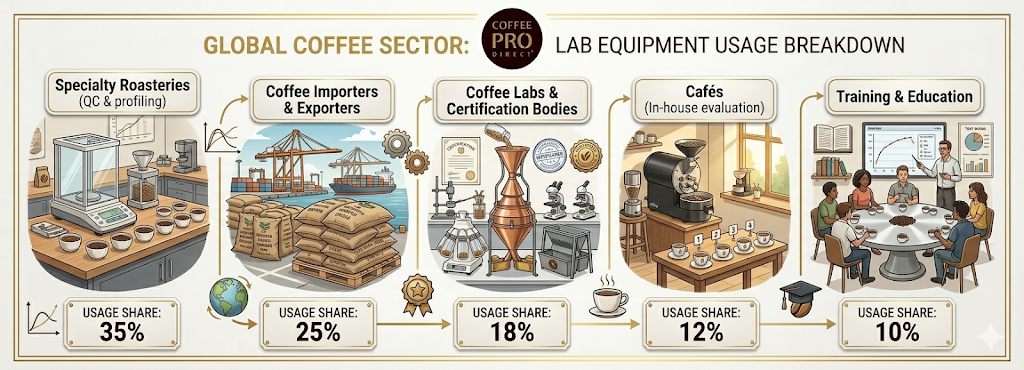
A cupping kit becomes even more valuable when integrated with other quality-control equipment. A professional coffee laboratory may combine green coffee inspection, moisture measurement, sample roasting, grinding, cupping, roast-color analysis, and documentation.
This creates a workflow from green bean to sensory evaluation.
SCA's current standards emphasize shared frameworks for quality, consistency, and best practices across the coffee industry.
For Vietnamese businesses, this integrated approach can support both Robusta and Arabica evaluation while creating more consistent internal quality procedures.
Coffee Pro Direct can support businesses looking for coffee equipment that fits into a broader quality-control and sensory workflow rather than treating each piece of equipment as an isolated purchase.
Why Coffee Pro Direct Supports Professional Cupping Workflows
A reliable cupping environment helps coffee professionals make structured observations about their samples. The goal is not simply to taste coffee but to create a repeatable process that connects sample preparation, sensory evaluation, documentation, and quality management.
Coffee Pro Direct can be part of this equipment-focused approach by helping coffee businesses identify the tools needed for professional cupping and laboratory operations.
For Vietnam-focused coffee companies, a properly selected professional coffee cupping kit can support green coffee purchasing, Robusta quality evaluation, Arabica sensory analysis, roasting development, exporter quality control, and internal training.
The equipment should always be selected according to the actual workflow, sample volume, testing objectives, and level of consistency required.
Conclusion:
A professional coffee cupping kit provides the foundation for controlled and organized sensory evaluation. Matching bowls, reliable spoons, precision scales, consistent grinders, temperature-controlled water equipment, timers, and appropriate sample tools allow coffee professionals to prepare and compare samples more systematically. For Vietnam’s coffee industry, these tools can support Robusta and Arabica evaluation, green coffee purchasing, roasting development, exporter quality control, and sensory training. Coffee Pro Direct can help businesses build practical coffee evaluation workflows by combining cupping equipment with broader laboratory and roasting solutions.
FAQs
What is included in a professional coffee cupping kit?
A professional kit commonly includes cupping bowls, cupping spoons, a precision scale, coffee grinder, kettle, thermometer, stopwatch or timer, and sample identification tools. Advanced setups may also include sample roasting and green coffee analysis equipment.
How many cups are needed for professional cupping?
The number depends on the number of samples and the workflow being used. Professional facilities typically provide multiple matching vessels so several samples can be evaluated simultaneously. SCA training requirements specify substantial numbers of cupping bowls for organized training environments.
Why are matching cupping bowls important?
Matching bowls help reduce equipment-related variation when multiple coffees are compared. Differences in vessel size, shape, or material could otherwise introduce unnecessary variables into the preparation process.
What grinder is suitable for coffee cupping?
A suitable cupping grinder should provide consistent particle size, repeatable settings, adequate capacity, and easy cleaning. A dedicated grinder can be useful in laboratories that evaluate many samples.
Is a thermometer necessary for coffee cupping?
A thermometer can help verify water temperature and improve preparation consistency. SCA professional training requirements include digital thermometers for certain kettle-based setups.
Can a professional cupping kit be used for Robusta?
Yes. A professional cupping setup can be used to evaluate Vietnamese Robusta as well as Arabica. Consistent preparation allows businesses to compare samples using the same testing workflow.
What is the role of a precision scale in cupping?
A precision scale allows coffee and water quantities to be measured consistently. This helps reduce variation between samples and supports a repeatable preparation process.
How often should cupping equipment be cleaned?
Cupping equipment should be cleaned after each session, while grinders and other frequently used equipment should receive deeper cleaning according to their use and manufacturer recommendations. Good cleaning practices help reduce residue and cross-sample contamination.
Is professional cupping only for specialty coffee?
No. Cupping can be useful for green coffee buyers, exporters, producers, commercial roasters, quality-control teams, laboratories, and specialty coffee professionals. The exact evaluation method can be adapted to the purpose of the business.
How do I choose a professional coffee cupping kit?
Start by identifying your sample volume, testing frequency, available workspace, desired measurement consistency, and budget. Then select matching bowls, a reliable grinder, precision scale, water equipment, timers, spoons, and other tools that support your workflow.

 English
 Arabic
 French
 Spanish
 Deutsch
 Turkish
 Dutch
Dutch
 Italiano
 Russian
 Romaian
 Portuguese (Brazil)
 Greek
Greek
