


Injured in a Railroad Accident in Chicago? Here’s What to Know
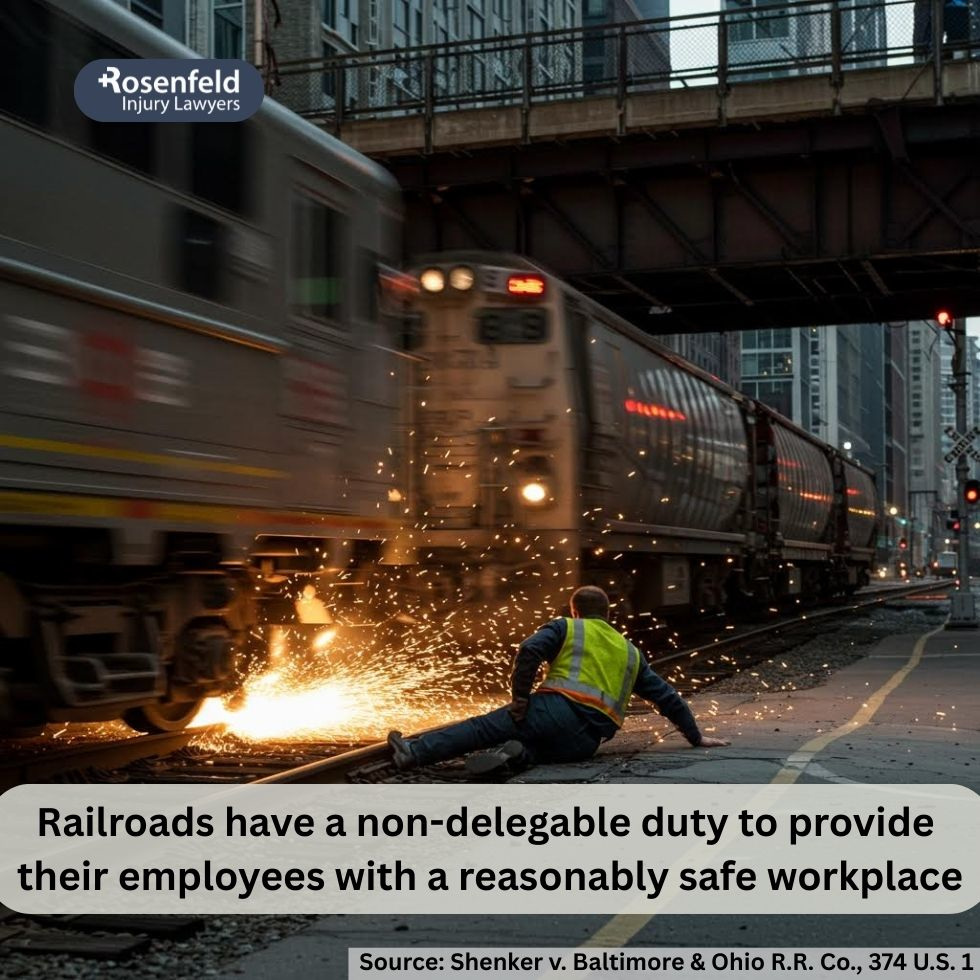
Railroad work can involve heavy machinery, moving trains, electrical equipment, hazardous materials, and demanding working conditions. When something goes wrong, injuries can be severe and may affect a worker's ability to return to the job.
For someone injured while working around railroads in Chicago, the legal process may also look different from an ordinary workplace injury claim. Federal railroad laws can apply to certain railroad employees, while other people injured in railroad-related incidents may have different legal options.
Understanding what happened, who was involved, and which laws apply can be an important first step. A Chicago railroad accident lawyer can review the circumstances and explain which type of claim may be available.
Common Causes of Railroad Injuries
Railroad accidents can happen in many different ways. Some involve collisions or derailments, while others occur during routine maintenance or daily operations.
Workers may be injured by moving railcars, defective equipment, unsafe tracks, falls, electrical hazards, or inadequate safety procedures. Poor communication between crew members can also contribute to dangerous situations.
In some cases, an accident may involve a combination of factors rather than one obvious cause. For example, faulty equipment and inadequate training could both play a role.
Passengers, pedestrians, motorists, and other members of the public can also be involved in railroad-related accidents. The legal rules for these situations can differ from those affecting railroad employees.
Why Railroad Injury Claims Can Be Different
One of the important distinctions in railroad injury cases is the potential application of federal law.
Certain railroad employees are covered by the Federal Employers Liability Act, commonly known as FELA. FELA provides a legal framework for railroad workers who are injured because of their employer's negligence or other legally relevant circumstances.
Unlike a typical state workers' compensation system, FELA cases can involve questions about negligence and responsibility. The specific facts of an accident therefore matter considerably.
Not every person working near a railroad is necessarily covered by FELA. Contractors, passengers, pedestrians, and other individuals may fall under different laws depending on how the accident occurred.
Document What Happened
After a railroad accident, documenting the incident can become extremely important. If medical circumstances allow, an injured person should make sure the accident is properly reported and that the basic details are recorded.
Information such as the date, time, location, equipment involved, and names of people who witnessed the accident may later help establish what happened.
Photographs of the accident scene, equipment, visible injuries, or damaged property can also be useful when they are safely available.
Medical records should be kept as well. Even when an injury initially appears manageable, some conditions can become more serious over time.
Medical Treatment Should Come First
Railroad accidents can result in fractures, back and neck injuries, traumatic brain injuries, burns, amputations, and other serious conditions. Getting appropriate medical attention should take priority over dealing with paperwork or insurance questions.
Tell medical professionals about all symptoms, including pain or limitations that may not be immediately visible. Follow-up appointments and treatment recommendations can also help create a consistent medical record.
Keeping copies of medical bills, prescriptions, treatment records, and other expenses can help document the financial impact of an injury.
Who Could Be Responsible?
Responsibility in a railroad accident is not always straightforward. Depending on the circumstances, a railroad company, equipment manufacturer, contractor, property owner, or another party could potentially become involved in a claim.
For railroad employees, an investigation may examine whether the employer provided a reasonably safe workplace, properly maintained equipment, followed applicable safety requirements, or addressed known hazards.
For accidents involving members of the public, other questions may arise, such as whether adequate warnings, crossings, signals, or other safety measures were provided.
Determining responsibility requires looking at the specific facts rather than assuming that the railroad company or another party is automatically liable.
Potential Compensation
The damages available in a railroad accident case depend on the applicable law and circumstances of the injury. A claim may involve medical expenses and income lost because of time away from work.
More serious injuries may also create future medical costs or affect a person's ability to earn income in the future. Other damages, such as physical pain and emotional effects, may also be relevant under applicable law.
There is no universal amount for a railroad injury claim. The extent of the injury, evidence of responsibility, employment status, and other factors can all influence the legal analysis.
Don't Overlook Legal Deadlines
Railroad injury cases can involve strict deadlines. FELA claims, for example, have specific federal limitation periods, while other railroad-related accidents may be governed by different rules.
Because the applicable deadline can depend on the type of accident and the person involved, waiting too long to seek legal information can create unnecessary complications.
An attorney familiar with railroad injury law can review the circumstances and explain which deadlines may apply.
When Legal Advice May Help
Not every railroad accident requires a lawsuit, but serious injuries can create complicated questions about responsibility, compensation, medical expenses, and employment rights.
A Chicago railroad accident lawyer can examine accident reports, medical records, employment information, photographs, witness accounts, and other evidence to better understand the situation.
For injured railroad workers, it can be particularly important to understand whether FELA applies and how it differs from other workplace injury systems.
Moving Forward After an Accident
Recovering from a railroad accident can take time, especially when an injury affects someone's ability to work or handle everyday activities. Taking practical steps early—such as getting medical care, documenting the accident, preserving relevant records, and learning about applicable deadlines can help keep important information from being lost.
Whether the incident involved a railroad employee, passenger, motorist, pedestrian, or another person, the legal issues depend on the details. Anyone dealing with a serious railroad-related injury in Chicago may benefit from learning how the relevant federal and Illinois laws apply to their particular circumstances.

 English
 Arabic
 French
 Spanish
 Portuguese
 Deutsch
 Dutch
Dutch
 Italiano
 Russian
 Romaian
 Portuguese (Brazil)
 Greek
Greek
