


High Performance Aluminum Cable Solutions for Modern Power Grid and Electrical Distribution
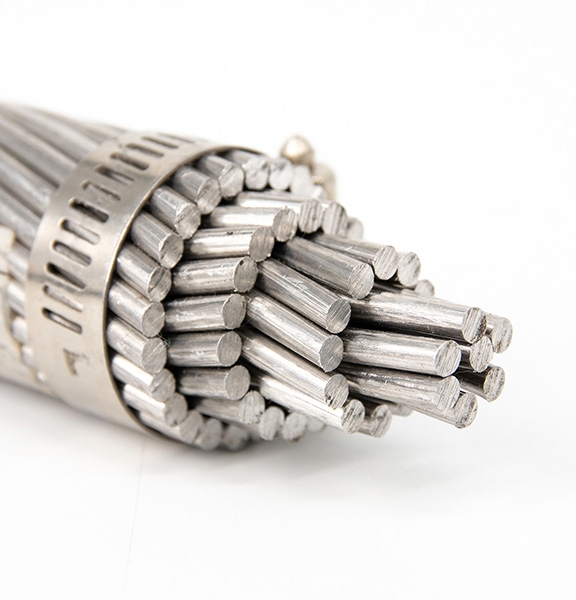
The global energy landscape is undergoing a massive transformation, driven by urbanization, industrial growth, and the expansion of renewable energy generation. At the center of this transition lies the requirement for efficient, cost-effective, and long-lasting power distribution materials. Electrical transmission grids and distribution networks depend heavily on materials that balance conductivity, weight, and long-term operating costs. Among the available solutions, the aluminum cable has emerged as an essential component in modern electrical engineering. Designed for high performance across diverse applications, this conductive solution continues to power cities, rural regions, commercial complexes, and industrial sites across the world.
Understanding the structural composition, manufacturing standards, and installation dynamics of electrical conductors is vital for engineers, contractors, utility managers, and project planners. By selecting the right conductor configurations, power grid operators can ensure maximum operational reliability while reducing overall infrastructure overhead.
The Evolution of Electrical Conductors in Power Systems
Electrical power delivery relies on materials capable of transferring high volumes of electrical energy with minimal losses. Historically, metal choices for conductive wiring were limited. However, advances in material science and metallurgy revolutionized how conductor systems are deployed across electrical grids.
When evaluating modern wiring solutions, power engineers look at conductivity-to-weight ratios. An aluminum cable offers significant structural advantages because it provides approximately double the current-carrying capacity of other traditional metals per unit of weight. This physical property allows power utilities to construct long-distance high-voltage overhead lines with significantly fewer supporting towers and poles. The reduction in structural support demands leads directly to lower material, logistics, and labor expenses during grid expansion projects.
Furthermore, metallurgical developments have led to modern aluminum alloy conductors that eliminate historical challenges associated with older electrical wiring. Contemporary formulas, such as the 8000 series aluminum alloys, incorporate precise amounts of trace elements like iron, silicon, and copper. These modern formulations yield flexible, high-tensile, and thermal-creep-resistant conductors that meet stringent international safety and performance standards.
Structural Design and Technical Classifications
To address distinct operating environments, power system manufacturers produce conductors in a wide range of configurations. Each variation is designed to meet specific electrical loading requirements, mechanical stresses, and environmental conditions.
Bare Overhead Conductors
Overhead power lines are exposed to mechanical stress, including wind vibration, ice accumulation, and high tensile pull across long distances. Specialized bare conductor designs are utilized to meet these demands:
-
All Aluminum Conductors (AAC): Constructed entirely from high-purity aluminum strands, AAC conductors provide high electrical conductivity in a lightweight package. These are typically deployed in urban power distribution systems and short-span overhead installations where mechanical stress is relatively low.
-
Aluminum Conductor Steel Reinforced (ACSR): ACSR combines outer strands of high-conductivity aluminum wire with an inner core of high-tensile galvanized or aluminum-clad steel. The central steel core provides immense tensile strength, allowing utilities to stretch cables across extreme distances, river crossings, and mountainous terrains without excessive sagging.
-
All Aluminum Alloy Conductors (AAAC): Fabricated from specialized high-strength aluminum alloys, AAAC conductors provide high resistance to mechanical fatigue and atmospheric corrosion. They are ideal for coastal overhead distribution systems and industrial corridors exposed to harsh airborne chemicals.
-
Aluminum Conductor Alloy Reinforced (ACAR): Combining pure aluminum strands with high-strength alloy strands, ACAR delivers an optimal balance between electrical current capacity and mechanical tensile strength.
Insulated and Underground Cables
In modern urban environments, industrial facilities, and underground distribution networks, bare wires are replaced with fully insulated cable assemblies. These products feature robust insulation layers, protective shielding, and outer sheathing designed to withstand physical impact, moisture, chemical exposure, and elevated operating temperatures.
-
Cross-Linked Polyethylene (XLPE) Insulated Power Cables: XLPE insulation allows an aluminum cable to operate safely at higher continuous conductor temperatures, typically up to 90 degrees Celsius. XLPE-insulated options are widely utilized for underground medium- and high-voltage feeder circuits.
-
Aerial Bundled Cables (ABC): Designed for overhead low-voltage and medium-voltage distribution, ABC systems consist of multiple insulated aluminum conductors tightly bundled together. This compact design dramatically reduces the risk of electrical short circuits caused by tree branches, extreme storms, or accidental contact, enhancing safety in residential zones.
-
Armored Power Cables: For heavy industrial plants, mining operations, and direct-buried underground infrastructure, armored variants incorporate a protective layer of metal tape or interlocking wire armor. This mechanical shield prevents physical damage from ground settling, excavation equipment, or heavy surface traffic.
Key Applications Across Modern Industries
The versatility of the modern aluminum cable makes it a crucial resource across a broad spectrum of commercial, industrial, and utility projects.
1. High-Voltage Transmission Grids
Overhead transmission lines carry electricity over hundreds of miles from generation facilities—such as solar farms, wind parks, hydroelectric dams, and traditional power plants—to regional substations. The light weight of aluminum-based conductors allows utility companies to build longer spans between transmission towers, reducing physical footprint and installation time.
2. Urban and Rural Power Distribution
Regional distribution networks rely heavily on insulated aerial and underground cables to route power from substations to residential neighborhoods, commercial hubs, and agricultural centers. Low-voltage and medium-voltage cables ensure stable power flow with minimal thermal energy losses.
3. Renewable Energy Integration
Solar power plants and wind energy facilities require vast networks of collector cables to route generated power from distributed panels and turbines to central transformers. The lightweight nature and cost efficiency of aluminum wiring systems make them the standard choice for array wiring and main AC collection circuits in large-scale renewable projects.
4. Commercial and Industrial Buildings
Inside commercial facilities, industrial factories, high-rise buildings, and data centers, large-diameter conductors are used for main feeder lines, electrical risers, and sub-panel connections. Modern 8000 series aluminum alloy cables provide flexible handling, making it easier for electrical contractors to route heavy conductors through tight conduit bends and cable trays.
Manufacturing Processes and Quality Assurance
Producing high-purity electrical conductors requires rigorous manufacturing techniques to guarantee precise electrical resistance, mechanical strength, and dimensional uniformity.
-
Wire Drawing and Annealing: Raw material ingots are continuously cast and rolled into thick wire rods. These rods are drawn through a series of precision diamond dies to achieve the desired wire gauge. Thermal annealing processes are applied to relieve internal mechanical stresses, providing the conductor with optimal ductility, flexibility, and resistance to fracture.
-
Precision Stranding: Multiple drawn wires are tightly stranded together in concentric layers around a central core. Concentric stranding improves conductor flexibility, lowers overall stiff resistance, and maintains structural integrity during installation bending.
-
Insulation and Sheathing Extrusion: For insulated cables, advanced polymer formulations like XLPE, PVC, or Ethylene Propylene Rubber (EPR) are extruded evenly over the conductive core. Dual-layer extrusion heads ensure uniform wall thickness, eliminating thin spots that could compromise electrical insulation integrity.
-
Testing and Quality Control: Prior to deployment, finished cables undergo stringent quality control testing. Standard quality evaluations include electrical resistance measurements, high-voltage breakdown testing, tensile strength verification, thermal aging tests, and flame retardancy checks to meet international electrical standards.
Best Practices for Professional Installation
Achieving long-term operational safety and peak performance with an aluminum cable system requires adherence to professional installation standards and engineering practices.
Thermal Expansion and Creep Management
Metals expand and contract in response to temperature changes caused by current loading and ambient weather conditions. Modern aluminum alloys are formulated to resist mechanical creep, but electrical installers must ensure that terminal connections are properly rated. Utilizing dual-rated mechanical lugs or compression connectors designed for bi-metallic applications prevents loose contacts over time.
Oxide Layer Treatment
When exposed to air, raw aluminum forms a thin protective oxide layer. While this natural layer provides corrosion resistance, it is electrically non-conductive. During cable termination and splicing, installers clean the conductor surface and apply an oxide-inhibiting compound before tightening the connection. This procedure creates a low-resistance, gas-tight electrical bond that prevents thermal hot spots.
Proper Bending Radii and Tension Control
During cable pulling through conduits or overhead stringing, technicians must observe specified minimum bending radii and maximum pulling tension limits. Exceeding recommended tension values can alter the strand layout or compromise the protective insulation jacket, leading to premature insulation breakdown or localized heating during operation.
Environmental Sustainability and Resource Efficiency
Sustainability is a growing priority for global infrastructure projects. Metallic aluminum is among the most sustainable industrial materials available. It can be endlessly recycled without losing its inherent electrical or mechanical properties.
Re-melting recycled aluminum requires only about 5 percent of the energy needed to refine primary metal from raw ore. This dramatically reduces the carbon footprint associated with manufacturing electrical infrastructure materials. Power utilities and green construction projects actively utilize recyclable conductors to align with circular economy frameworks and international environmental goals.
Furthermore, because lighter conductor materials require fewer structural steel towers and lighter transportation vehicles, the total embedded carbon footprint of an overhead transmission line project is substantially reduced when utilizing an aluminum cable.
Final Thoughts
The continuous expansion of global energy infrastructure requires reliable, high-performance, and cost-efficient electrical conductors. The modern aluminum cable stands out as a proven solution that satisfies the demanding requirements of high-voltage transmission lines, suburban distribution grids, renewable energy facilities, and heavy industrial applications. Through continuous innovations in alloy metallurgy, insulation technology, and precision manufacturing, these conductors provide high conductivity, long-term durability, and structural efficiency. By adhering to proper installation standards and selecting specialized conductor configurations for specific environments, engineers and utilities can build resilient power networks designed to serve generations to come.

 Arabic
 French
 Spanish
 Portuguese
 Deutsch
 Turkish
 Dutch
Dutch
 Italiano
 Russian
 Romaian
 Portuguese (Brazil)
 Greek
Greek
