


Blood Group & Rh Test: Understanding Blood Transfusion Compatibility
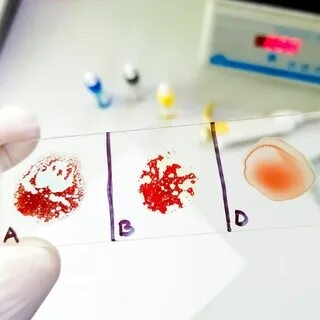
A blood transfusion can be an important part of treatment when a person has significant blood loss, severe anemia, certain medical conditions, or needs blood support during a procedure. Because transfused blood interacts directly with the recipient's immune system, careful compatibility testing is essential.
A Blood Group & Rh Test in Dubai helps identify a person's ABO blood group and Rh status. These results are important when selecting compatible red blood cells, but they are only one part of the complete transfusion safety process.
Healthcare professionals may also perform an antibody screen and crossmatch to identify additional compatibility concerns before blood is given.
Understanding how this process works can make a blood transfusion feel less unfamiliar and explain why several checks may be performed before compatible blood is released.
Before the Transfusion: Why Blood Type Is Checked
Before a planned transfusion, a healthcare professional usually obtains a blood sample to determine the patient's blood group and Rh status.
The ABO system identifies four main blood groups:
-
A
-
B
-
AB
-
O
The Rh classification usually refers to the RhD antigen.
If the RhD antigen is present, the person is Rh-positive. If it is absent, the person is Rh-negative.
Together, the ABO and Rh systems create eight common blood types:
A+, A-, B+, B-, AB+, AB-, O+, and O-.
This information gives the transfusion laboratory an essential starting point for choosing appropriate red blood cells.
Why ABO Compatibility Is Essential?
ABO compatibility is one of the most important considerations in red blood cell transfusion.
Red blood cells carry A and/or B antigens depending on the person's blood group. Plasma contains naturally occurring antibodies that can react with incompatible ABO antigens.
For example, a person with type A blood generally has anti-B antibodies. If incompatible type B red blood cells are transfused, those antibodies can recognize the donor cells and trigger an immune reaction.
This is why ABO-incompatible transfusion can be dangerous.
Modern hospitals use strict identification and laboratory procedures to minimize the possibility of this type of error.
Where the Rh Factor Fits In?
The Rh factor provides another important compatibility consideration.
A person who is Rh-positive has the RhD antigen on their red blood cells. A person who is Rh-negative does not.
For red blood cell transfusion, Rh-negative recipients are generally provided Rh-negative blood when appropriate, particularly because exposure to Rh-positive red blood cells can lead to the development of anti-D antibodies.
Rh-positive recipients can generally receive Rh-positive or Rh-negative red blood cells when the other compatibility requirements are met.
However, transfusion decisions are not based on the positive or negative symbol alone. The patient's antibody history, clinical situation, and blood bank testing also matter.
The Eight Common Blood Types:
The familiar blood type combinations are:
| Blood type | ABO group | Rh status |
|---|---|---|
| A+ | A | Positive |
| A- | A | Negative |
| B+ | B | Positive |
| B- | B | Negative |
| AB+ | AB | Positive |
| AB- | AB | Negative |
| O+ | O | Positive |
| O- | O | Negative |
These labels are useful for understanding basic compatibility, but they should not be treated as a complete transfusion decision guide.
Blood banks also consider unexpected antibodies and other laboratory findings before selecting blood.
Why “Universal Donor” Can Be Misleading
O-negative red blood cells are commonly described as having broad compatibility because they lack A, B, and RhD antigens.
This can make O-negative red blood cells particularly useful in certain emergencies when the patient's blood type is not yet known.
However, “universal donor” does not mean O-negative blood is automatically appropriate for every transfusion situation.
Other red blood cell antibodies can exist, and healthcare professionals must consider the patient's condition, blood inventory, and available laboratory information.
The same principle applies to the term “universal recipient.” Compatibility depends on the blood component being transfused and the specific patient.
Antibody Screening: The Test Beyond Blood Type
Knowing that someone is A-positive, for example, does not identify every antibody that may be present in their blood.
An antibody screen looks for unexpected antibodies against red blood cell antigens outside the basic ABO system.
These antibodies may develop after:
-
Previous blood transfusions
-
Pregnancy
-
Certain medical exposures
If an antibody is detected, the laboratory may perform additional tests to identify it.
The blood bank can then select donor red blood cells that do not carry the corresponding antigen when clinically appropriate.
This additional step is important because two people with the same ABO and Rh blood type may have different antibody profiles.
Crossmatching: Matching the Patient With Donor Blood
Crossmatching provides another layer of transfusion safety.
The laboratory tests the patient's blood against selected donor red blood cells to assess whether an incompatible reaction occurs.
A compatible crossmatch supports the selection of that donor unit for the patient, provided all other transfusion requirements are satisfied.
This explains why healthcare professionals do not simply look at a blood type label and immediately begin a transfusion.
Blood typing, antibody screening, and crossmatching work together.
What Happens If You Have a Rare or Difficult-to-Match Antibody?
Some patients have antibodies that make finding compatible donor blood more challenging.
If an antibody is identified, the transfusion laboratory may need additional time to locate appropriately matched blood.
This can happen in people with a history of multiple transfusions or pregnancy because exposure to foreign red blood cell antigens can lead to antibody formation.
Having an uncommon antibody does not mean that a transfusion is impossible. It means the blood bank may need to perform additional testing and locate blood that meets the required compatibility criteria.
Why Hospitals May Ask About Previous Transfusions?
Your previous transfusion history can be relevant to current compatibility testing.
A patient who has previously received blood may have developed antibodies that are not apparent from the ABO and Rh type alone.
For this reason, tell your healthcare team about previous transfusions whenever possible.
Even if you have a blood donor card or old laboratory report showing your blood type, the hospital may repeat testing before a transfusion.
This is an important safety measure rather than an indication that your previous result was necessarily incorrect.
Pregnancy Can Affect Transfusion Compatibility Too:
Pregnancy is another situation that can lead to the development of red blood cell antibodies.
During pregnancy, a person may be exposed to fetal red blood cell antigens that differ from their own. If antibodies develop, they may remain relevant for future transfusions and pregnancies.
This is one reason pregnancy history can be important when a transfusion laboratory evaluates compatibility.
For pregnant patients and people who have previously been pregnant, an antibody screen can provide information beyond the basic ABO and Rh result.
What Happens in an Emergency?
When severe bleeding occurs, treatment may need to begin before complete compatibility testing is finished.
Hospitals have emergency transfusion protocols for these situations. Blood may be released according to established procedures while the laboratory continues testing the patient's sample.
The exact blood component selected depends on the urgency, available information, and clinical circumstances.
Once the patient's ABO and Rh type and antibody status are established, the blood bank can provide more specifically matched blood when appropriate.
This is why emergency transfusion does not mean that compatibility is ignored. Instead, the process is adapted to the urgency of the situation.
Red Blood Cells, Plasma, and Platelets Are Not the Same:
Blood transfusion compatibility depends on which blood component is being given.
Red blood cell transfusion focuses heavily on donor red cell antigens and recipient antibodies.
Plasma contains antibodies, so plasma compatibility follows different principles.
Platelets have their own compatibility considerations, including ABO matching when feasible and other clinical factors.
Therefore, a blood type that is considered broadly compatible for red blood cells is not necessarily interchangeable with the same blood type for plasma.
What You May Notice During a Blood Transfusion?
Before the transfusion begins, healthcare professionals generally confirm your identity, blood type information, the blood product, and other required details.
During the transfusion, your vital signs are monitored.
If you develop symptoms such as fever, chills, rash, shortness of breath, chest discomfort, back pain, or a sudden feeling that something is wrong, tell the healthcare professional immediately.
These symptoms can have many causes, but they may indicate a transfusion reaction and should be assessed promptly.
Do not ignore new or unusual symptoms during a transfusion.
What Happens After the Transfusion?
After the blood product has been administered, healthcare professionals continue to monitor the patient according to the clinical situation.
Additional blood tests may be performed to determine whether the transfusion achieved the intended effect.
For example, after red blood cell transfusion, a healthcare professional may check hemoglobin levels or other relevant measurements.
The need for further transfusion depends on the patient's condition, ongoing blood loss, symptoms, laboratory results, and treatment goals.
Why Blood Type Records Should Be Kept Accurate?
Knowing your blood type can be useful, but personal records should not replace hospital laboratory testing when transfusion is required.
If your medical records contain conflicting blood type information, healthcare professionals can repeat ABO and Rh testing and investigate the discrepancy.
Your inherited blood type generally remains stable, so conflicting results should be verified rather than assumed to represent a natural change.
Common Questions About Blood Transfusion Compatibility:
Why is a Blood Group & Rh Test needed before transfusion?
It identifies the patient's ABO and Rh type, helping the transfusion laboratory select appropriate blood and determine which additional compatibility testing is needed.
Is blood type matching enough for a safe transfusion?
No. Depending on the situation, antibody screening and crossmatching are also important parts of transfusion compatibility testing.
Can a person receive blood from a different blood type?
Sometimes, yes, depending on the blood component and compatibility requirements. Healthcare professionals determine which blood is appropriate rather than relying on the blood type label alone.
Why is O-negative blood used in emergencies?
O-negative red blood cells lack A, B, and RhD antigens, giving them broad compatibility in many emergency red blood cell situations. However, they are not a substitute for complete compatibility testing when time permits.
Can previous pregnancy affect blood compatibility?
Yes. Pregnancy can lead to the development of red blood cell antibodies, which may affect future transfusion compatibility.
Can blood type change?
ABO and Rh blood type normally remain stable throughout life. If laboratory records disagree, the results should be confirmed.
The Bigger Picture: Why Compatibility Testing Matters
A safe blood transfusion involves much more than matching a letter and a plus or minus sign.
The Blood Group & Rh Lab tests establishes the patient's ABO and Rh status. The antibody screen looks for unexpected red blood cell antibodies, while crossmatching helps confirm compatibility between the patient's blood and selected donor red blood cells.
Together, these steps help healthcare professionals reduce the risk of immune transfusion reactions and select blood that is appropriate for the patient's needs.
If you are scheduled for a transfusion, it is normal for the healthcare team to ask about previous transfusions, pregnancy history, allergies, and medical records. These details can all contribute to safe blood selection.
Ultimately, blood transfusion compatibility is a carefully controlled process designed around the individual patient. Your blood type is an essential starting point, but laboratory testing, antibody assessment, crossmatching, and clinical judgment work together to make transfusion as safe and effective as possible.

 English
 Arabic
 French
 Spanish
 Portuguese
 Deutsch
 Turkish
 Dutch
Dutch
 Russian
 Romaian
 Portuguese (Brazil)
 Greek
Greek
