


Preconception Health Check: What Women With Irregular Cycles Should Discuss With a Gynecologist
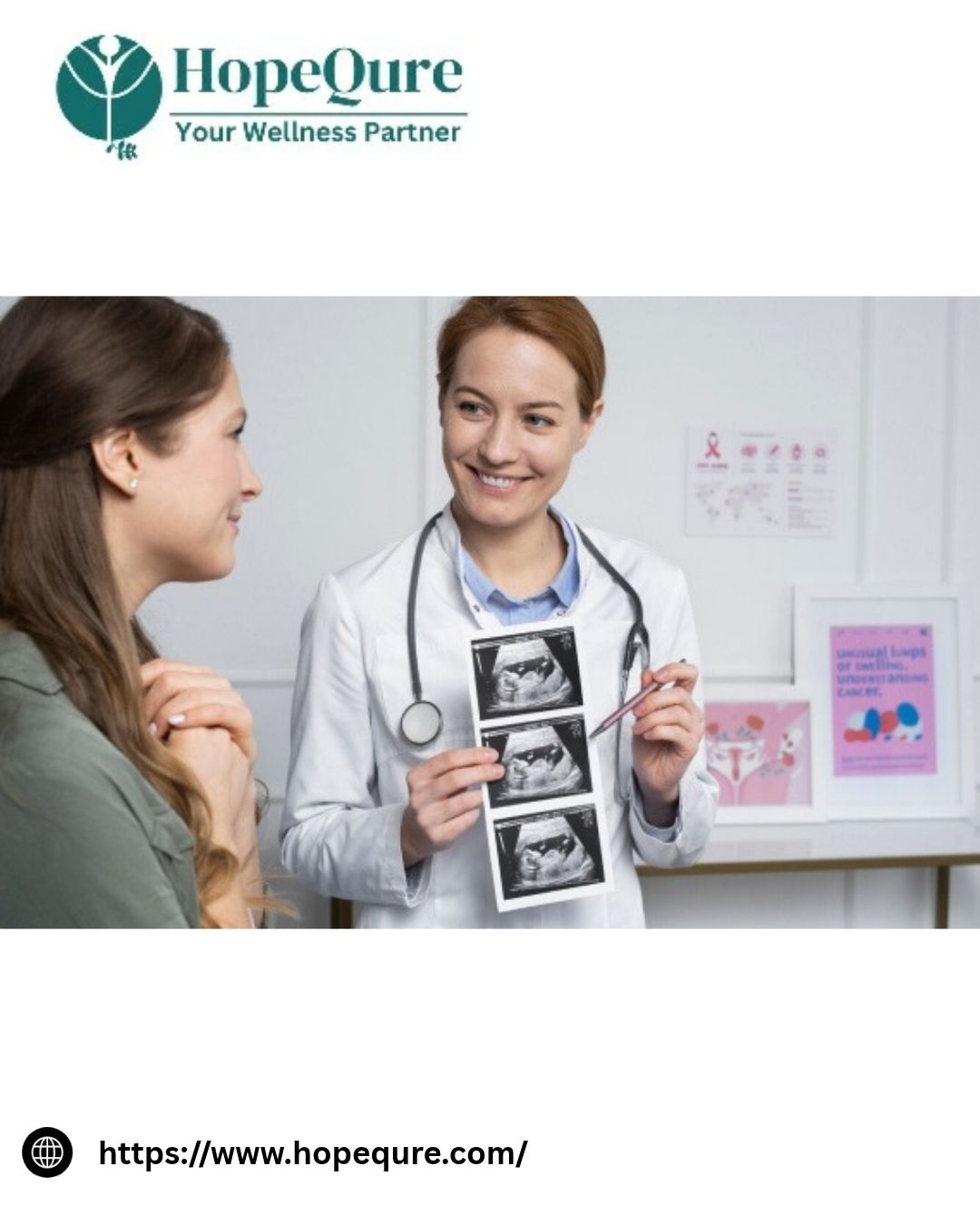
Planning for pregnancy is an important stage in a woman’s reproductive journey. A preconception health check can help identify factors that may affect conception, pregnancy, and overall reproductive health. For women with irregular menstrual cycles, getting professional guidance early can be especially useful. A gynecologist online consultation for pregnancy can provide an opportunity to discuss menstrual patterns, previous health concerns, lifestyle factors, medications, and pregnancy preparation from the comfort of home.
Irregular periods do not always mean that pregnancy will be difficult. Menstrual cycles can vary for many reasons, including temporary stress, changes in body weight, intense exercise, hormonal fluctuations, thyroid-related concerns, polycystic ovary syndrome (PCOS), and other reproductive health conditions. Understanding the possible reason behind an irregular cycle is more useful than simply focusing on the number of days between periods.
Why Preconception Health Matters
Preconception care focuses on preparing the body and identifying potential concerns before pregnancy begins. It is not limited to women who have already experienced fertility problems. Anyone planning to become pregnant can benefit from discussing reproductive health with a qualified healthcare professional.
A preconception consultation may cover:
-
Menstrual cycle history
-
Previous pregnancies and reproductive history
-
Existing medical conditions
-
Current medications and supplements
-
Lifestyle and nutrition
-
Vaccination status
-
Family medical history
-
Previous gynecological concerns
-
Possible hormonal or metabolic factors
-
Pregnancy planning and timing
The goal is to understand the individual’s health circumstances and identify areas that may need attention before conception.
Understanding Your Menstrual Cycle
The menstrual cycle can provide useful information about reproductive health. A typical cycle involves coordinated hormonal changes that prepare the body for ovulation and, eventually, pregnancy.
However, not every woman has the same cycle length. Some women naturally have shorter or longer cycles. Occasional changes may also occur because of stress, illness, travel, sleep disruption, or changes in routine.
Persistent irregularity deserves greater attention, particularly when periods are frequently unpredictable or accompanied by other symptoms.
Some signs worth discussing with a gynecologist include:
-
Periods that frequently occur much earlier or later than expected
-
Skipping periods for several months
-
Very heavy menstrual bleeding
-
Unusually light periods
-
Bleeding between periods
-
Significant menstrual pain
-
Increased facial or body hair
-
Persistent acne
-
Unexpected weight changes
-
Difficulty identifying fertile days
These symptoms do not automatically indicate a serious problem. However, they can help a healthcare professional determine whether further evaluation may be appropriate.
How Irregular Cycles Can Affect Pregnancy Planning
Ovulation is one of the most important events in the menstrual cycle for conception. Pregnancy generally requires sperm to meet an egg around the time of ovulation.
When periods are irregular, ovulation may also occur at unpredictable times. This can make it harder to identify the fertile window using calendar calculations alone.
For example, a woman whose period arrives every 28 days may find cycle-based fertility calculations relatively straightforward. Someone whose cycle varies significantly from month to month may not be able to rely on the same calculation.
This does not mean pregnancy cannot occur. It simply means that understanding the menstrual pattern and possible ovulation timing may require a more individualized approach.
Common Reasons for Irregular Periods
There are several potential reasons why menstrual cycles may become irregular.
Polycystic Ovary Syndrome
PCOS is a common hormonal condition that can affect ovulation and menstrual regularity. Some women with PCOS experience irregular periods, acne, increased hair growth, or changes in weight.
Not everyone with irregular periods has PCOS, and a healthcare professional may need to consider multiple factors before determining whether PCOS could be involved.
Thyroid Changes
The thyroid plays an important role in several body processes, including reproductive function. Changes in thyroid hormone levels can sometimes influence menstrual patterns.
If irregular periods are persistent, a healthcare professional may consider whether thyroid-related factors should be evaluated.
Stress
Long periods of physical or emotional stress may affect hormonal regulation. Major changes in work, sleep, exercise, or daily routines can sometimes influence menstrual cycles.
Managing stress and maintaining consistent sleep may support general well-being, although persistent menstrual irregularity should still be discussed with a healthcare professional.
Changes in Body Weight
Significant weight gain or weight loss can affect reproductive hormones. Very restrictive diets, inadequate nutrition, or excessive exercise may also influence menstrual patterns.
Maintaining balanced nutrition and a sustainable lifestyle can be an important part of preconception preparation.
What to Discuss During a Preconception Consultation
A consultation becomes more useful when you provide detailed information about your reproductive health.
Consider preparing answers to questions such as:
-
When was your last menstrual period?
-
How long are your cycles usually?
-
How frequently do you miss periods?
-
How long have your periods been irregular?
-
Do you experience significant pain?
-
Have you previously been pregnant?
-
Are you currently taking medications?
-
Do you have any diagnosed health conditions?
-
Have you had previous reproductive health investigations?
-
Are you currently tracking ovulation?
Keeping a menstrual diary or using a period-tracking application may help you identify patterns. However, tracking should be viewed as a source of information rather than a substitute for professional assessment.
When Fertility Guidance May Be Helpful
Some women seek fertility guidance only after trying to conceive for an extended period. However, there are circumstances where discussing fertility earlier may be reasonable.
For example, women with consistently irregular cycles, previous reproductive concerns, known hormonal conditions, or a history that may affect fertility may benefit from an earlier conversation with a qualified professional.
A fertility consultation online india can be one option for discussing concerns, understanding possible next steps, and determining whether an in-person evaluation or specific testing may be appropriate.
Online consultation does not necessarily replace physical examinations or diagnostic tests. Instead, it can provide an accessible starting point for discussing concerns and deciding what should happen next.
Preparing for a Healthy Pregnancy
Preconception preparation involves more than monitoring ovulation. General health can also influence pregnancy and maternal well-being.
Focus on Balanced Nutrition
A balanced diet can provide essential nutrients needed for general health. Women planning pregnancy may also be advised by healthcare professionals to consider appropriate prenatal supplementation, including folic acid.
The exact supplement requirements can vary depending on individual health circumstances, so it is useful to discuss supplementation with a healthcare professional.
Review Medications
Some prescription and over-the-counter medicines may require review before pregnancy.
Do not stop prescribed medication independently. Instead, tell your healthcare professional about every medicine, supplement, or herbal product you use.
Maintain Healthy Activity
Regular, moderate physical activity can support general health. Extremely intense exercise, particularly when combined with inadequate nutrition, may affect menstrual function in some women.
The goal should be sustainable activity that supports overall well-being.
Avoid Tobacco and Other Harmful Substances
Smoking and exposure to certain substances can negatively affect reproductive and pregnancy health. If you use tobacco or other potentially harmful substances, discussing cessation support with a healthcare professional can be beneficial.
Understanding Ovulation
Ovulation occurs when an ovary releases an egg. For women with regular cycles, ovulation often occurs around the middle portion of the cycle, but timing can vary.
Women with irregular cycles may notice signs such as:
-
Changes in cervical mucus
-
Mild pelvic discomfort
-
Changes in basal body temperature
-
Increased sexual desire
-
Positive ovulation test results
These signs can provide useful information, but they are not always reliable indicators of ovulation on their own.
If conception is taking longer than expected, a healthcare professional can help determine whether additional evaluation may be appropriate.
Does an Irregular Period Always Mean a Fertility Problem?
No. Irregular menstruation does not automatically mean infertility.
Some women have occasional cycle variations and conceive without difficulty. Others may have irregular periods because of an underlying condition that affects ovulation.
The important distinction is between assuming that irregular periods are harmless and assuming they automatically indicate infertility. Neither assumption is appropriate without considering the individual's overall health.
A consultation can help identify whether the pattern requires observation, lifestyle adjustments, diagnostic evaluation, or additional fertility support.
The Role of Hormonal Evaluation
Depending on symptoms and medical history, a healthcare professional may consider whether hormonal evaluation is appropriate.
Possible evaluations can vary significantly between individuals. A healthcare professional may consider menstrual history, physical symptoms, previous medical conditions, age, pregnancy history, and the duration of attempts to conceive before suggesting specific investigations.
Testing should therefore be individualized rather than based on a generic checklist found online.
When to Seek Medical Advice for Missed Periods
An occasional delayed period can happen for many reasons. However, repeated missed periods or prolonged absence of menstruation should not simply be ignored.
Medical advice may be particularly important when missed periods occur alongside:
-
Pelvic pain
-
Unusual vaginal bleeding
-
Sudden weight changes
-
Severe acne
-
Increased facial or body hair
-
Nipple discharge unrelated to breastfeeding
-
Persistent fatigue
-
Symptoms suggesting hormonal changes
A healthcare professional can determine whether these symptoms require further assessment.
Questions to Ask Before Trying to Conceive
Women preparing for pregnancy can consider asking their gynecologist:
-
Is my menstrual cycle pattern concerning?
-
Could my symptoms affect ovulation?
-
How can I better understand my fertile window?
-
Should I review any current medications?
-
Are there lifestyle changes I should make before pregnancy?
-
Should I begin prenatal vitamins?
-
Do I need any preconception tests?
-
When should I seek fertility evaluation?
-
Could an existing health condition affect pregnancy?
-
What symptoms should prompt an earlier consultation?
Writing these questions down before the appointment can help ensure that important concerns are not forgotten.
Online Gynecology Consultation as a Starting Point
Technology has made it easier to discuss many reproductive health concerns remotely. Online gynecology consultations can be useful when a woman wants to discuss symptoms, menstrual patterns, pregnancy preparation, previous reports, or general reproductive health questions.
They may also be convenient for women who have limited time, live far from a clinic, or prefer discussing sensitive concerns from a familiar environment.
However, certain situations require physical examination, laboratory testing, imaging, or urgent medical care. An online consultation should therefore be considered part of a broader healthcare pathway rather than a universal replacement for in-person care.
Building a Personalized Pregnancy Plan
Every woman's pregnancy journey is different. Age, menstrual regularity, medical history, lifestyle, previous pregnancy history, and reproductive health can all influence the type of guidance that may be appropriate.
Rather than comparing your experience with someone else's, focus on understanding your own health profile.
A personalized plan may include:
-
Tracking menstrual patterns
-
Reviewing medical history
-
Improving nutritional habits
-
Discussing supplements
-
Reviewing medications
-
Identifying possible ovulation patterns
-
Addressing underlying health concerns
-
Knowing when additional fertility evaluation may be appropriate
This approach can make pregnancy preparation more structured and less stressful.
Final Thoughts
Preparing for pregnancy can be an opportunity to better understand your menstrual health, identify potential concerns early, and make informed lifestyle choices. Irregular cycles do not necessarily prevent pregnancy, but persistent changes deserve appropriate attention rather than being ignored or self-diagnosed. If you are unsure which doctor to consult for irregular periods, a gynecologist can help assess your symptoms and guide you toward appropriate next steps. With timely professional guidance, women can approach pregnancy planning with a clearer understanding of their reproductive health and the support they may need along the way.

 English
 Arabic
 French
 Spanish
 Portuguese
 Deutsch
 Turkish
 Dutch
Dutch
 Russian
 Romaian
 Portuguese (Brazil)
 Greek
Greek
