


How Secure Payment Integration Works in eCommerce Applications
Why Secure Payment Integration Matters
One of the most critical sections of an eCommerce app is Payments. Customers need speedy, secure transactions, and businesses require robust systems to accept payments, process orders and safeguard information.
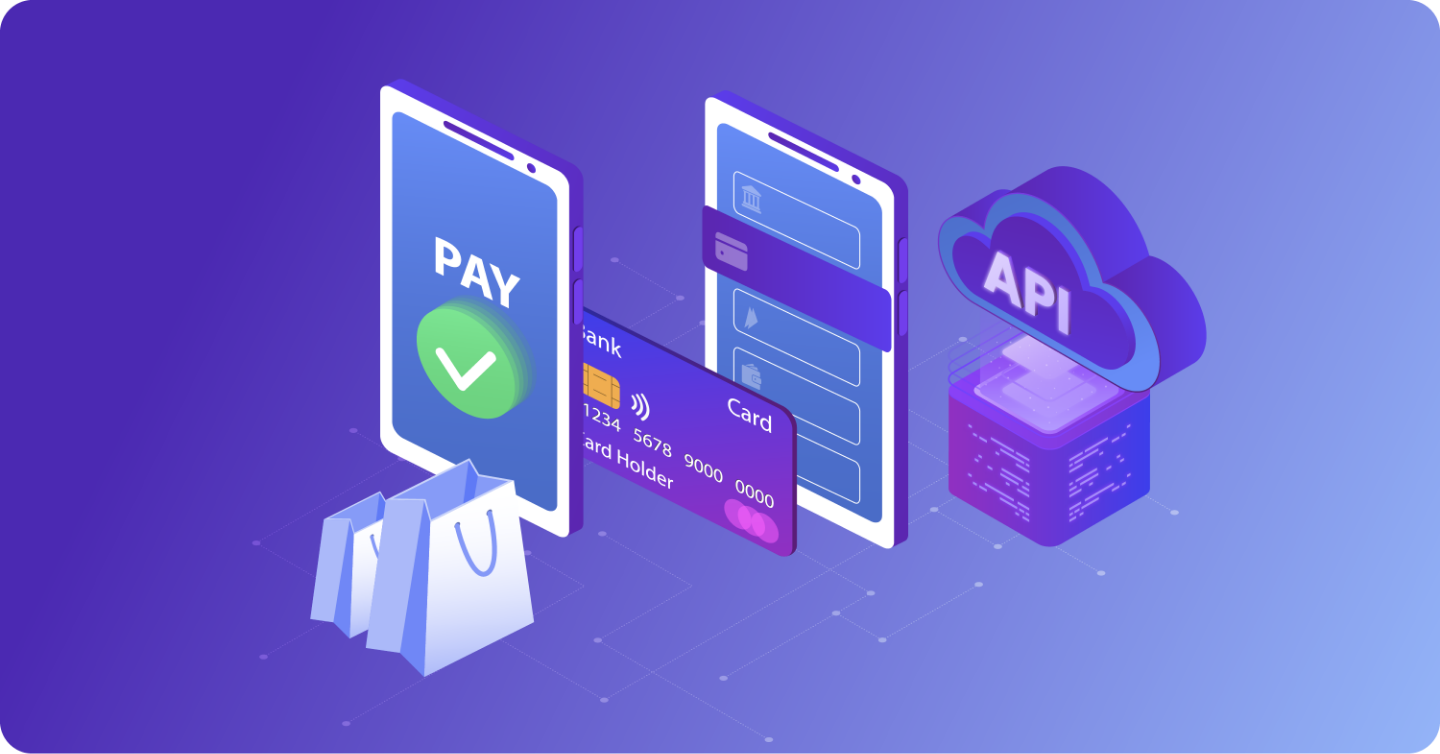
This is a connection from your eCommerce application to a payment gateway, or payment service provider. Your application sends the payment gateway a transaction request, then it receives the result of the payment and updates the order.
How Payment Integration Works
Next, an eCommerce application would connect to that payment provider when a customer selects a specific method of payment. The provider would complete the process and return a response back, either confirming if the payment was successful or if it was rejected or flagged for verification.
A typical payment flow involves:
- Customer selects a payment method and enters payment details.
- Payment information is securely transmitted to the payment provider.
- The provider authenticates and processes the transaction.
- The application receives the payment status.
- The order and payment records are updated.
Protecting Customer Payment Data
Payment Security is established by safeguarding data throughout the transaction. The e-commerce apps should use appropriate authentication mechanisms, authentication protocols and payment providers.
You should also think twice before holding valuable card data on your own servers. By tokenisation, a payment provider can replace sensitive payment information with a secure token that can be used for future payments.
Authentication and Fraud Prevention
Some more advanced payment systems can apply extra authentication to ensure that the transaction is initiated by the real customer. This can be one-time passwords, fingerprints or other means of authentication depending on the provider and the region.
Video Fraud detection software can also look at transaction patterns and pick up on anything that seems anomalous. These controls can be used to prevent fraudulent transactions while not negatively affecting legitimate customers.
Choosing the Right Payment Gateway
The payment gateway needs to align with the business model, target markets and offered payment types of your application. You need to take into account supported currencies, available transaction types, integration features and security measures.
For larger platforms, eCommerce software development may involve integrating multiple payment providers to support different regions, payment methods or business requirements.
Payment Integration for B2B eCommerce
The B2B purchase path may have additional payment requirements and processes, such as credit or account information, purchase orders, invoice billing, or purchase approval workflows.
Payment capabilities can be linked to ERP, accounting, CRM, and order management systems during the B2B eCommerce website development. This gives buyers more control over their transaction process, and no change needs to happen to their current processes.
Testing Payment Integrations
Any time a payment integration will be used in an application, it should be carefully tested prior to going live. Testing should include: payment success, declined payments, refunds, cancellations, payment connection failures and duplicate attempts.
Developers may utilise sandbox environments offered by payment providers to test various transaction scenarios without making actual payments. Keep monitoring after launching to spot any integration errors or suspect transactional behaviour.
Building a Secure eCommerce Payment Experience
Security should be built in, not bolted on. Implementing payments Secure by Design means security is one of the first things you think about when building your payment system and not something added on later. Application architecture, APIs, authentication, handling of data and failures all impact the security of your payment system.
By employing an eCommerce app development company, you can create a payment workflow around your customer journey and seamlessly integrate with third-party payment providers.
How Designpluz Approaches Payment Integration
Designpluz designs the eCommerce with payment, business systems integration and a secure flow of transactions in mind. Our ecommerce app development for payment integration in ecommerce strives to create reliable digital experiences that can not only enhance transactions visible to end-users but also carry out the back-end necessary for the transaction.

 English
 French
 Spanish
 Portuguese
 Deutsch
 Turkish
 Dutch
Dutch
 Italiano
 Russian
 Romaian
 Portuguese (Brazil)
 Greek
Greek
