


Industrial Laser Cleaner: Modern Solutions for Heavy-Duty Surface Preparation
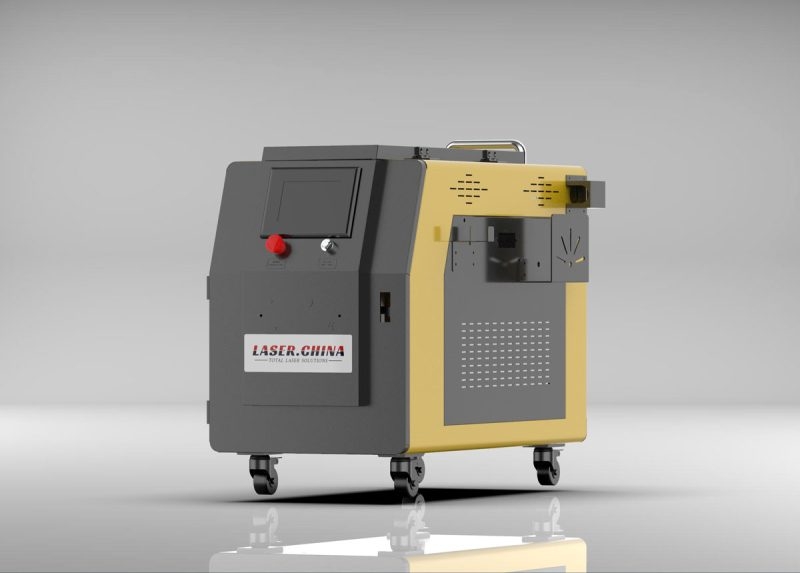
An industrial laser cleaner is an advanced surface treatment system designed to remove rust, paint, oil, oxidation, and other unwanted contaminants from metal and various industrial materials. As manufacturing companies seek more efficient and precise cleaning methods, laser cleaning technology has become an important solution for workshops, factories, automotive facilities, and heavy industries.
Traditional cleaning processes often involve abrasive blasting, chemical treatments, grinding, or manual scrubbing. Although these methods remain useful for specific applications, they can require considerable labor, generate waste, or affect the underlying surface. Laser cleaning offers an alternative by using concentrated laser energy to remove contaminants with controlled precision.
For businesses looking to improve production workflows and maintain consistent surface quality, investing in an industrial laser cleaner can support modern manufacturing requirements. Selecting the right machine depends on the materials being treated, the type of contamination, production volume, and the desired cleaning results.
How Does an Industrial Laser Cleaner Work?
Laser cleaning works by directing a controlled laser beam onto a contaminated surface. The energy interacts with unwanted material, helping remove or detach contaminants from the substrate. Depending on the laser parameters and the properties of the material, the process can involve rapid heating, vaporization, or other interactions that separate contamination from the surface.
Operators can adjust important parameters such as laser power, scanning speed, pulse frequency, and beam movement according to the cleaning application. These settings help determine how effectively rust, paint, grease, or oxide layers can be removed without causing unnecessary changes to the base material.
Industrial laser cleaning systems are available in different configurations. Continuous-wave systems are commonly considered for certain high-speed cleaning tasks, while pulsed laser systems can provide more controlled energy delivery for delicate surfaces and precision applications.
Before beginning production, operators should test the selected settings on a sample of the target material. Proper calibration helps establish a suitable cleaning process and reduces the risk of surface damage.
Major Applications of Industrial Laser Cleaning
The versatility of an industrial laser cleaner makes it suitable for numerous industrial environments. Its specific capabilities depend on the machine configuration and the materials involved.
1. Rust Removal from Metal Components
Rust can weaken metal surfaces, interfere with coating adhesion, and affect the appearance of manufactured products. Laser cleaning can remove corrosion from steel structures, machine components, metal tools, and automotive parts.
Manufacturers can use this technology during equipment refurbishment, maintenance, and preparation for painting or protective coating. By selecting suitable parameters, operators can target rust while limiting unwanted effects on the underlying metal.
2. Paint and Coating Removal
Removing old paint and coatings is often necessary when repairing machinery, restoring metal structures, or preparing components for refinishing. An industrial laser cleaner can remove selected coatings from compatible surfaces without relying on conventional chemical stripping agents.
Applications include industrial equipment restoration, metal fabrication, automotive repair, and maintenance of manufactured parts. Since coatings differ in thickness and composition, preliminary testing is essential to determine the correct operating conditions.
3. Oil and Grease Cleaning
Oil, grease, and production residues can interfere with welding, bonding, inspection, and coating processes. Laser cleaning may help remove certain contaminants from metal components before subsequent manufacturing operations.
For example, manufacturers may clean selected machine parts before assembly or prepare surfaces before welding. The effectiveness of the process depends on the contaminant, its thickness, and the material underneath.
4. Surface Preparation Before Welding
Clean surfaces are important for achieving consistent welding results. Rust, oxide layers, and other contaminants can affect weld quality in certain applications.
An industrial laser cleaner can prepare compatible metal surfaces before welding by removing unwanted layers. This makes laser cleaning relevant to sheet metal fabrication, automotive production, machinery manufacturing, and metalworking workshops.
5. Mold and Tool Cleaning
Molds, dies, and production tools can accumulate residues during repeated manufacturing cycles. Cleaning these components helps maintain production quality and reduces contamination-related problems.
Laser systems may be used for cleaning selected molds and tools, provided that the laser parameters are appropriate for the tool material and surface geometry. Sensitive components require careful testing and controlled operation.
Choosing the Right Industrial Laser Cleaner
Selecting an appropriate machine requires more than comparing advertised power ratings. Buyers should evaluate their production needs and the types of surfaces they regularly clean.
Laser power: Power affects cleaning speed and the range of applications a machine can handle. Higher power may be appropriate for certain heavy contamination or high-throughput tasks, while lower-power systems may suit lighter cleaning requirements.
Pulsed or continuous-wave technology: Pulsed lasers deliver energy in individual pulses and can be suitable for applications requiring controlled energy delivery. Continuous-wave systems provide a continuous beam and may suit particular large-area or high-speed cleaning operations.
Material compatibility: Steel, aluminum, copper, and other materials respond differently to laser energy. A suitable system should match the material's properties and the required surface condition.
Portability and installation: Handheld systems are useful for maintenance work and components that are difficult to move. Integrated or automated systems may be more suitable for production lines and repetitive cleaning tasks.
Control and scanning options: Adjustable settings and suitable scanning configurations help operators manage cleaning coverage, speed, and consistency.
Safety provisions: Enclosed systems, protective interlocks, suitable laser-rated eyewear, fume extraction, and controlled work areas should be considered according to the laser classification and application.
Industrial Laser Cleaner in Modern Manufacturing
Manufacturing businesses increasingly require surface preparation methods that fit demanding production schedules. An industrial laser cleaner can be incorporated into workflows involving fabrication, maintenance, refurbishment, and component preparation.
In automotive manufacturing, laser cleaning may be used on selected metal parts before joining or coating. In aerospace-related production, carefully validated processes can help prepare compatible components for further treatment. In heavy machinery industries, the technology can support maintenance and restoration of suitable equipment.
Metal fabrication workshops can also use laser cleaning to prepare parts before welding or painting. Where cleaning tasks are repetitive, laser systems may be integrated with robotic equipment or automated production lines to improve process consistency.
However, successful implementation depends on matching the technology to the application. Businesses should evaluate cleaning speed, surface quality, operating costs, training requirements, and integration with existing equipment before making a purchasing decision.
Understanding Industrial Laser Cleaner Prices
The price of an industrial laser cleaner varies according to its power, laser source, cleaning configuration, automation level, cooling system, and manufacturer. Specialized systems designed for automated production may have substantially different costs from portable handheld machines.
When comparing quotations, buyers should consider the complete operating requirements rather than focusing only on the initial purchase price. Installation, operator training, safety equipment, extraction systems, maintenance, spare parts, and warranty coverage can influence the overall investment.
It is also important to request application testing when possible. A demonstration using the actual workpiece and contaminant can help determine whether the machine delivers the required cleaning quality and production speed.
Businesses purchasing internationally should review technical specifications, electrical requirements, shipping arrangements, after-sales support, and the availability of replacement components. A reliable supplier should provide clear documentation and assistance with selecting suitable equipment.
Safe Operation and Equipment Maintenance
Laser cleaning requires appropriate safety measures because industrial laser beams can cause serious eye and skin injuries. Reflections from metal surfaces may also create hazards, even when the beam is not directed toward the operator.
Facilities should establish a controlled laser work area, follow the manufacturer's safety instructions, and use protective equipment appropriate to the laser wavelength and classification. Operators should receive suitable training before using the equipment.
Cleaning certain paints, coatings, oils, or industrial residues may produce hazardous fumes or airborne particles. Effective extraction and filtration should be selected according to the contaminants being removed, with additional precautions where required.
Routine maintenance is equally important. Operators should inspect cables, connectors, protective housings, cooling systems, scanning components, and optical parts according to the manufacturer's instructions. Keeping the work area clean and following scheduled maintenance procedures can help maintain dependable performance.
Finding a Reliable Industrial Laser Cleaner Supplier
Choosing a suitable supplier is an important part of purchasing industrial cleaning equipment. Buyers should review the manufacturer's experience, technical documentation, warranty terms, service capabilities, and availability of spare parts.
A professional supplier should help assess the cleaning application and recommend an appropriate machine configuration. Ask for information about compatible materials, tested cleaning results, operating parameters, safety requirements, and expected maintenance needs.
It is also helpful to confirm whether the supplier provides remote technical assistance, operator training, installation guidance, and troubleshooting support. These services can be particularly important for businesses introducing laser cleaning technology for the first time.
Before placing an order, request a detailed quotation and compare specifications across suppliers. A machine selected according to actual production requirements is more likely to deliver consistent results and support long-term operational goals.
Final Thoughts
An industrial laser cleaner provides a modern approach to removing rust, paint, oxidation, and selected contaminants from compatible surfaces. From metal fabrication and automotive production to equipment maintenance and mold cleaning, this technology can support precise surface preparation across a wide range of industrial applications.

 English
 Arabic
 French
 Portuguese
 Deutsch
 Turkish
 Dutch
Dutch
 Italiano
 Russian
 Romaian
 Portuguese (Brazil)
 Greek
Greek
