


Industrial Laser Cleaner: Modern Solutions for Precision Surface Treatment
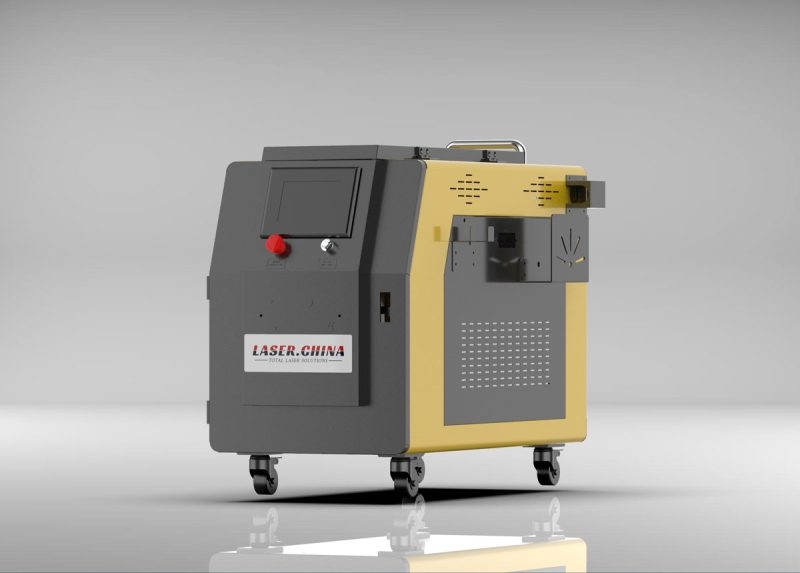
An Industrial laser cleaner is an advanced piece of equipment designed to remove rust, paint, oil, grease, oxide layers, and other unwanted contaminants from metal and various industrial surfaces. As manufacturers continue to seek efficient and precise cleaning methods, laser cleaning technology is becoming an important solution for workshops, factories, automotive facilities, and heavy industrial operations.
Unlike traditional cleaning methods that may require chemicals, abrasive materials, or extensive manual labor, laser cleaning uses concentrated laser energy to remove contaminants from a target surface. With suitable machine settings, operators can clean specific areas while minimizing unwanted effects on the underlying material.
How Does Industrial Laser Cleaning Work?
Laser cleaning works by directing a controlled laser beam onto a contaminated surface. The laser energy interacts with the unwanted layer, helping detach or vaporize contaminants without relying on conventional abrasive blasting or chemical cleaning agents.
The cleaning process depends on several factors, including laser power, scanning speed, pulse characteristics, material type, and the thickness of the contamination. Properly selected settings help achieve the required cleaning result while protecting the base material.
An Industrial laser cleaner can be configured for different applications, from removing surface rust on steel components to preparing metal parts for welding, painting, or coating. Before full-scale production, testing on a sample is recommended to determine the appropriate operating parameters.
Applications Across Different Industries
Automotive Manufacturing
Automotive manufacturers work with metal parts that require clean surfaces before welding, coating, assembly, or refurbishment. Laser cleaning can remove rust, paint residues, and other contaminants from selected components.
It is useful for preparing metal surfaces before joining processes and cleaning certain tools, molds, and fixtures. Depending on the component and cleaning requirements, laser technology can support consistent surface preparation throughout production.
Metal Fabrication and Manufacturing
Metal fabrication facilities frequently handle steel, stainless steel, aluminum, and other materials that may develop oxidation or collect contaminants during storage and processing.
Laser cleaning can help prepare these materials for welding, painting, bonding, and other manufacturing operations. By removing unwanted surface layers, businesses can establish cleaner working conditions for subsequent processes.
Shipbuilding and Heavy Equipment
Marine equipment and heavy machinery are often exposed to moisture, dirt, corrosion, and demanding operating conditions. Rust removal and surface maintenance are therefore important parts of their upkeep.
Laser cleaning systems can be used on suitable metal components, equipment parts, and selected maintenance areas. The appropriate machine configuration depends on the size of the surface, the condition of the material, and the level of contamination.
Aerospace and Precision Engineering
Precision engineering requires careful control over surface preparation. Components may need to be cleaned before inspection, repair, joining, or further processing.
Laser cleaning can provide localized treatment when compatible with the material and component specifications. In applications involving sensitive or high-value parts, qualification testing and adherence to industry procedures are essential.
Choosing the Right Laser Cleaning Machine
Selecting suitable equipment begins with identifying the materials and contaminants that need to be removed. A machine intended for light oxidation may not be appropriate for thick coatings or heavy corrosion.
Laser power is one important consideration because it influences cleaning speed and the range of applications that can be addressed. However, higher power does not automatically produce better results. The correct combination of power, scanning speed, and other settings depends on the surface and cleaning objective.
Buyers should also consider the working area, portability requirements, cooling system, control interface, maintenance needs, and availability of technical support. Handheld systems may suit localized cleaning and maintenance tasks, while automated configurations can be more appropriate for repetitive production processes.
When comparing an Industrial laser cleaner with other equipment, businesses should evaluate the complete operating process rather than focusing only on the initial purchase price. Training, safety equipment, electricity consumption, maintenance, and expected production volume all influence the total cost of ownership.
Laser Cleaning Compared with Traditional Methods
Traditional surface cleaning techniques include abrasive blasting, mechanical grinding, wire brushing, and chemical treatment. Each method has specific applications, and the right choice depends on the material, contamination, production environment, and required finish.
Laser cleaning offers a controlled alternative for suitable applications, particularly when localized treatment and reduced use of consumable cleaning materials are important. It can also reduce the need for certain chemical cleaning products, depending on the process.
However, laser technology requires an initial equipment investment and appropriate operator training. Some thick coatings, complex surfaces, or demanding cleaning tasks may require multiple passes or another cleaning method. Conducting application tests helps determine whether laser cleaning is the most practical solution for a particular operation.
Safety and Maintenance Considerations
Industrial laser cleaning requires proper safety procedures. Depending on the laser system, direct or reflected laser radiation can cause serious eye and skin injuries. Operators should use appropriate laser-rated protective eyewear, establish controlled work areas, and follow the manufacturer's safety instructions.
Fumes and particles generated during cleaning may also present health risks. Suitable extraction and filtration equipment should be selected according to the contaminants being removed and the applicable workplace requirements.
Regular maintenance helps keep the machine operating reliably. Operators should inspect cables, connectors, cooling components, protective housings, and other specified parts according to the manufacturer's maintenance schedule. The laser optics and scanning components should also be handled and maintained as directed by the equipment supplier.
Why Businesses Are Investing in Laser Cleaning Technology
Manufacturers are increasingly evaluating laser cleaning as part of their efforts to modernize surface preparation and maintenance operations. The technology can support repeatable cleaning procedures, reduce reliance on certain consumables, and help businesses address specific cleaning tasks with greater control.
For companies processing metal components in high volumes, automated laser cleaning may help standardize production workflows. Smaller workshops may prefer portable equipment that can be moved between suitable work areas.
Working with a reliable supplier is important when investing in laser equipment. Buyers should review technical specifications, request application demonstrations, confirm warranty terms, and ensure that training and after-sales support are available.
Final Thoughts
Laser cleaning technology is providing manufacturers with another practical option for surface preparation, corrosion removal, and industrial maintenance. An Industrial laser cleaner can be a valuable investment for businesses seeking controlled cleaning processes across suitable applications in metal fabrication, automotive manufacturing, heavy equipment, and precision engineering.

 English
 Arabic
 French
 Spanish
 Portuguese
 Deutsch
 Turkish
 Dutch
Dutch
 Italiano
 Russian
 Romaian
 Portuguese (Brazil)
