


Understanding Activity Restrictions During Post-Surgical Recovery
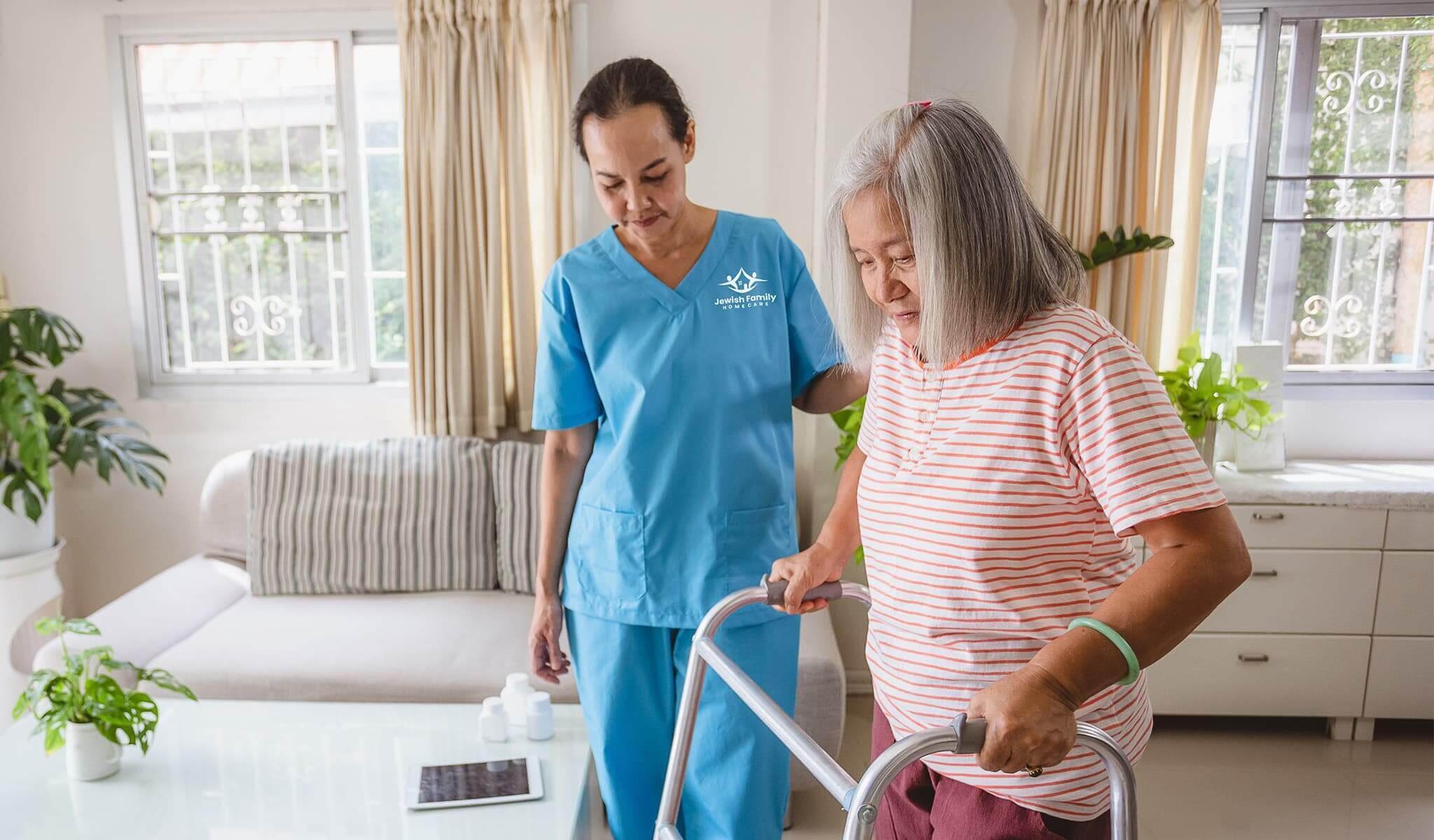
Recovering after surgery requires a careful balance between rest, gentle movement, and gradually returning to everyday activities. Post-surgical Care at Home in Dubai helps patients follow their recovery plans in a familiar environment while receiving support with mobility, wound care, medication routines, and daily tasks. With guidance from qualified healthcare professionals and access to services such as Doctor at Home when medical assessment is needed, patients and families can better understand which activities are safe and which should be temporarily avoided. Following activity restrictions is essential because doing too much too soon may place stress on healing tissues, increase discomfort, or interfere with the recovery process.
Why Activity Restrictions Are Important After Surgery:
Activity restrictions are designed to protect the body while tissues heal and strength gradually returns. Depending on the procedure, patients may need to limit lifting, bending, twisting, driving, strenuous exercise, or putting weight on a particular limb. These restrictions can reduce strain on surgical incisions, support healing, and lower the risk of certain complications. The recommended recovery period varies according to the type of surgery, the patient's overall health, and the surgeon's assessment. Patients should not assume that feeling better means every activity is safe to resume. Following personalized medical instructions helps protect recovery progress and provides a clearer understanding of when everyday activities can be reintroduced.
Understanding Different Types of Activity Restrictions:
Not all surgical procedures require the same precautions, so patients should understand the specific restrictions listed in their discharge instructions. Someone recovering from abdominal surgery may need to avoid heavy lifting or straining, while a patient following joint replacement may have particular movement or weight-bearing requirements. Other patients may be advised to limit prolonged standing, avoid certain sleeping positions, or temporarily stop driving. Restrictions can also change as healing progresses and the treating clinician reviews recovery. Patients should ask their healthcare provider to explain any unclear instructions, including how long each restriction applies and what signs indicate that an activity may be too demanding. Clear guidance reduces confusion and helps prevent accidental overexertion.
Following Lifting and Bending Precautions:
Lifting heavy objects or bending repeatedly can place pressure on healing tissues after certain procedures. Patients may need to avoid carrying groceries, lifting children, moving furniture, doing strenuous housework, or reaching for heavy items stored overhead. The amount of weight that can be lifted safely depends on the operation and the surgeon's instructions, so there is no single limit suitable for everyone. Family members can help by placing essential belongings within easy reach and taking over demanding household tasks during the early recovery period. Patients should also avoid holding their breath while straining. If lifting or bending causes new or worsening pain, bleeding, or another concerning symptom, they should stop and seek appropriate medical advice.
Knowing When and How to Resume Walking:
Walking is often encouraged after many operations because appropriate movement can support circulation, reduce stiffness, and help patients regain independence. However, the timing, distance, and level of assistance required depend on the procedure and the patient's condition. Some patients may begin with short, supervised walks soon after surgery, while others need specific precautions or rehabilitation support. Patients should follow their discharge plan, use prescribed mobility aids, and ask for assistance if they feel weak or unsteady. It is important not to remain inactive for longer than recommended, but also not to increase walking distance too quickly. A gradual, medically approved approach helps patients build endurance while respecting their body's recovery needs.
Managing Exercise and Rehabilitation Safely:
Exercise after surgery should follow a structured plan rather than personal assumptions about what feels manageable. A surgeon or physiotherapist may recommend specific movements to improve strength, flexibility, balance, or joint function. Patients should perform only the exercises they have been cleared to do and follow instructions about repetitions, technique, and progression. Strenuous workouts, heavy resistance training, contact sports, and high-impact activities may need to be postponed until the treating clinician approves them. Patients should stop exercising and seek advice if they experience unusual pain, dizziness, significant shortness of breath, or symptoms that are not expected during recovery. Rehabilitation is most effective when activity increases gradually and remains appropriate for the individual.
Understanding Restrictions on Driving and Operating Equipment:
Driving too soon after surgery can place the patient and others at risk. Pain, limited movement, reduced reaction time, fatigue, and the effects of certain medicines may interfere with safe driving. For example, a patient who cannot turn comfortably, brake quickly, or control the vehicle safely should not drive. Medicines that cause drowsiness or affect alertness may also make driving unsafe. The appropriate time to resume driving depends on the procedure, recovery progress, local requirements, and medical advice. Patients should confirm that they can perform necessary movements safely and are no longer affected by medicines that impair driving before returning to the road. Similar caution applies to operating machinery or performing tasks that require full concentration.
Balancing Rest With Everyday Activities:
Rest is an important part of healing, but excessive inactivity can lead to weakness, stiffness, and difficulty returning to daily routines. Patients should follow the activity schedule recommended by their healthcare team and balance periods of rest with approved movement. Everyday tasks such as bathing, dressing, preparing meals, and climbing stairs may require temporary adjustments. Some patients may need assistance with showering or transfers, particularly if they have balance problems or restrictions related to their procedure. Families can make daily routines easier by organizing supplies, preparing simple meals, and keeping frequently used items accessible. The aim is to conserve energy without unnecessarily limiting safe movement or independence.
Preventing Falls While Following Recovery Restrictions:
Falls can cause serious injuries during post-surgical recovery, especially when patients experience weakness, dizziness, pain, or reduced balance. Medication side effects and unfamiliar movement restrictions may increase these risks. Patients should use prescribed walking aids, wear secure footwear, and ask for assistance when getting out of bed or moving through difficult areas if recommended. Families can improve safety by removing loose rugs, clearing walkways, improving lighting, and installing suitable bathroom supports when advised. Patients should avoid climbing on stools, carrying bulky objects while walking, or rushing to answer the door. If a fall occurs, especially after a major procedure or when the patient may have injured the surgical area, seek medical advice promptly.
How Home Healthcare Professionals Support Safe Activity:
Professional home healthcare can help patients understand and follow activity restrictions after discharge. Depending on the care plan, nurses may reinforce discharge instructions, monitor symptoms, assist with appropriate daily care, and report concerns to the treating clinician. Physiotherapists can provide procedure-specific rehabilitation guidance when prescribed, while caregivers may help with household activities and safe movement. Post-surgical Care at Home in Dubai can give families practical support as patients gradually resume daily routines. However, home healthcare visits should complement the surgeon's recommendations and scheduled follow-up appointments. Patients should never increase activity, remove restrictions, or begin a new rehabilitation routine solely because they feel ready without confirming that the change is appropriate.
Recognizing Signs That Activity May Be Too Much:
Patients should pay attention to changes in how they feel during and after movement. Increasing pain, unusual swelling, new bleeding, wound separation, or a marked decline in mobility may indicate that an activity needs to be reviewed by the healthcare team. Patients should stop the activity and contact their clinician if symptoms are concerning or do not settle as expected. Fever, worsening wound redness, or unusual discharge also requires prompt medical advice. Seek emergency medical help for chest pain, sudden difficulty breathing, fainting, or uncontrolled bleeding. Sudden pain or swelling in one leg may indicate a blood clot and requires urgent assessment. Serious symptoms should never be ignored or left until the next scheduled home visit.
Final Thoughts
Understanding activity restrictions during post-surgical recovery helps patients protect healing tissues, avoid unnecessary strain, and gradually regain independence. Following lifting precautions, walking safely, completing approved exercises, and allowing adequate rest can support a more organized recovery process. Because every procedure and patient is different, activity levels should be guided by the treating clinician rather than a general timeline. With appropriate professional guidance, family assistance, and Post-surgical Care at Home in Dubai, patients can better manage daily activities while respecting their recovery needs. Asking questions, attending follow-up appointments, and reporting concerning symptoms promptly are essential steps toward a safer return to normal routines.

 English
 Arabic
 French
 Spanish
 Portuguese
 Deutsch
 Turkish
 Dutch
Dutch
 Russian
 Romaian
 Portuguese (Brazil)
 Greek
Greek
