


How to Read a Blood Sugar Test Report Correctly
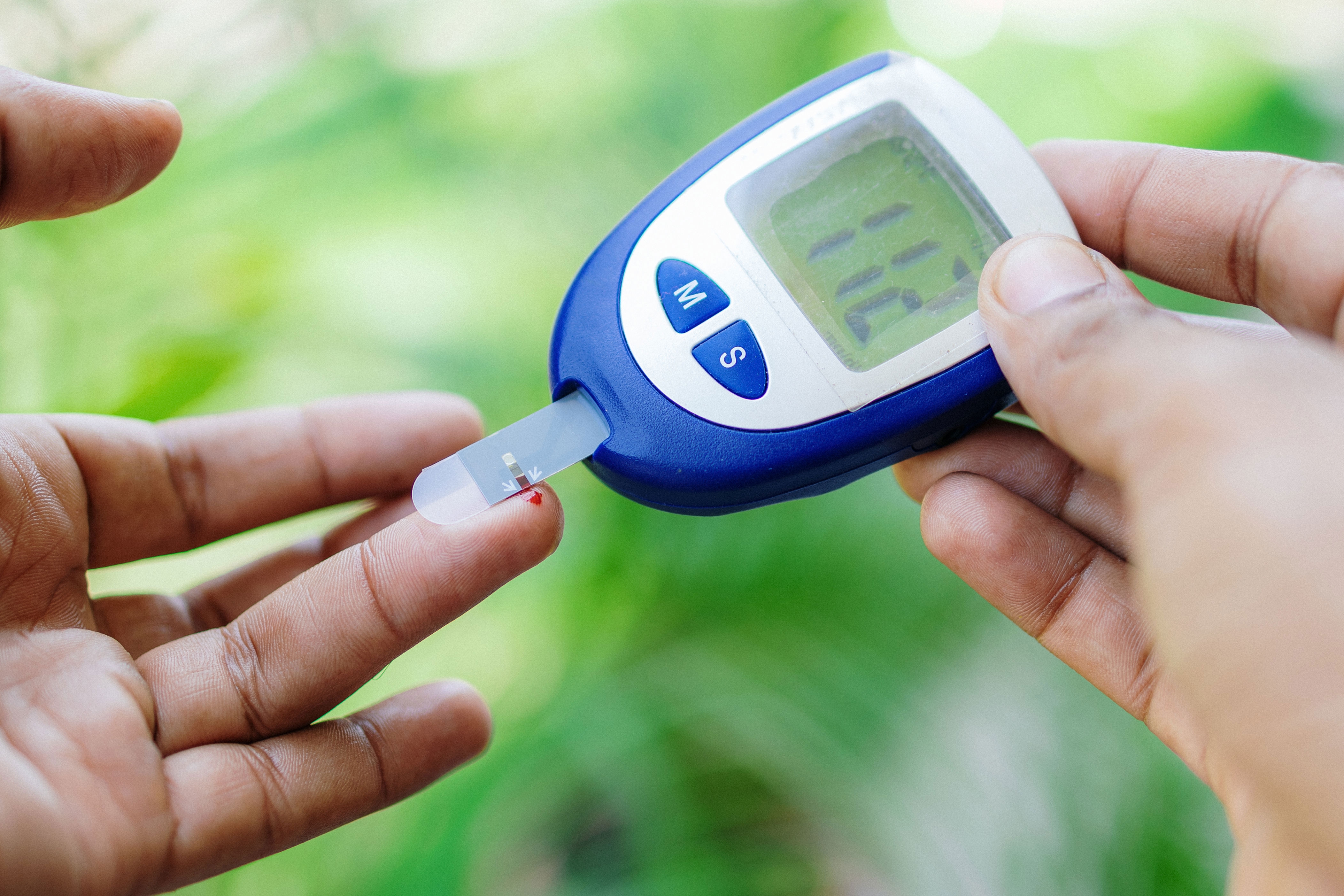
Understanding how to read a blood sugar test report can help you recognize normal glucose levels, identify possible warning signs, and have more informed conversations with your healthcare professional. Whether you have taken a fasting Blood Sugar Test Dubai, an HbA1c test, or a random blood sugar test, knowing what the numbers mean is an important part of managing your health.
A laboratory report may contain several measurements, reference ranges, units, and comments that can seem confusing at first. Some results indicate your current blood glucose level, while others provide information about your average glucose over the past few months. Interpreting them correctly requires understanding which test was performed and the circumstances in which the sample was collected.
This guide explains how to read a blood sugar test report step by step, understand common glucose ranges, recognize abnormal results, and determine when medical follow-up may be necessary.
Start by Identifying the Type of Blood Sugar Test:
Before interpreting any number, look at the test name printed on your laboratory report. Different blood glucose tests measure different aspects of your body's glucose regulation, so their results cannot always be compared directly.
The most common tests include:
-
Fasting blood glucose: Measures blood sugar after a period without food or caloric drinks.
-
Random blood glucose: Measures glucose at the time of testing, regardless of when you last ate.
-
HbA1c: Estimates average blood glucose over approximately the previous two to three months.
-
Oral glucose tolerance test (OGTT): Measures how your body processes glucose after you drink a measured glucose solution.
For example, a glucose reading taken after breakfast may be higher than a fasting reading without indicating that either measurement is incorrect. Similarly, an HbA1c result is reported as a percentage rather than in the same units used for a standard blood glucose measurement.
The first rule is simple: identify the test before deciding whether your result is normal or abnormal.
Understanding Blood Sugar Test Results at a Glance:
For nonpregnant adults, the following are commonly used diagnostic ranges for fasting plasma glucose, HbA1c, and the two-hour oral glucose tolerance test.
| Test | Normal range | Prediabetes range | Diabetes range |
|---|---|---|---|
| Fasting plasma glucose | 99 mg/dL or below | 100–125 mg/dL | 126 mg/dL or above |
| HbA1c | Below 5.7% | 5.7–6.4% | 6.5% or above |
| Two-hour OGTT | Below 140 mg/dL | 140–199 mg/dL | 200 mg/dL or above |
These are standard diagnostic thresholds, not personalized treatment targets. Pregnancy uses different criteria, and individual circumstances may affect which test is most appropriate.
A result in the diabetes range generally requires confirmation with repeat testing or another accepted diagnostic test unless the clinical situation clearly establishes diabetes. Your healthcare professional will interpret the result alongside your symptoms, medical history, and other findings.
How to Read a Fasting Blood Sugar Test Report?
A fasting blood sugar report usually lists a glucose value in milligrams per deciliter (mg/dL) or millimoles per liter (mmol/L). The report may also include a laboratory reference range and mark results outside that range as high or low.
For a fasting plasma glucose test, you are generally instructed to avoid food and caloric drinks for at least eight hours before the sample is collected. Plain water is usually permitted.
Example of a fasting glucose result
Suppose your report shows:
-
Test name: Fasting plasma glucose
-
Result: 108 mg/dL
-
Laboratory reference range: 70–99 mg/dL
A result of 108 mg/dL falls within the commonly used prediabetes range of 100–125 mg/dL. It does not, by itself, mean you have diabetes.
Your healthcare professional may recommend repeat testing, an HbA1c test, or another assessment based on your medical history and risk factors.
What does a high fasting glucose result mean?
A fasting glucose result of 126 mg/dL or above is in the diabetes range. However, in someone without clear symptoms or unequivocal hyperglycemia, the diagnosis generally needs confirmation.
Factors such as illness, certain medications, and inadequate fasting preparation can affect the interpretation of a result. If your report shows elevated fasting glucose, discuss it with your healthcare professional instead of attempting to diagnose yourself from one number.
How to Interpret an HbA1c Report?
The HbA1c test provides a longer-term view of blood sugar control. It measures the percentage of hemoglobin in red blood cells that has glucose attached to it.
Because red blood cells circulate for several months, HbA1c reflects average glucose over approximately two to three months. Unlike a fasting blood glucose test, it generally does not require fasting.
Example of an HbA1c result
Imagine your report shows an HbA1c of 6.0%.
This result falls within the commonly used prediabetes range of 5.7–6.4%. It suggests that your average blood glucose has been higher than the normal range, but it does not meet the usual diagnostic threshold for diabetes.
An HbA1c of 6.5% or above falls within the diabetes range, although confirmation is generally required when there is no unequivocal evidence of diabetes.
Can HbA1c results be misleading?
Yes. Certain conditions can affect the accuracy of HbA1c, including some forms of anemia, recent blood loss or transfusion, hemoglobin variants, and some kidney conditions. Pregnancy can also affect interpretation.
If your HbA1c result does not match your blood glucose readings or clinical picture, your healthcare professional may recommend additional testing.
Reading a Random Blood Sugar Test Correctly:
A random blood glucose test measures blood sugar at any time of day. It does not require fasting, making it useful when a clinician needs to assess glucose promptly or investigate possible symptoms of diabetes.
However, the result must be interpreted in context because glucose levels change after meals.
For example, a reading taken shortly after eating may be higher than one taken several hours later. That difference does not automatically mean the first result is abnormal.
A random plasma glucose result of 200 mg/dL or above can support a diabetes diagnosis when accompanied by classic symptoms such as increased thirst, frequent urination, or unexplained weight loss, or when a hyperglycemic crisis is present. Without clear clinical evidence, further testing is generally needed.
There is no single random glucose number that should be treated as a universal normal range for every situation. Your clinician will consider meal timing, symptoms, and the reason for testing.
What Do the Units and Reference Ranges Mean?
Two common units appear on blood sugar test reports: mg/dL and mmol/L.
-
mg/dL: Milligrams of glucose per deciliter of blood.
-
mmol/L: Millimoles of glucose per liter of blood.
The same glucose level can look different depending on the unit used. For example, a fasting glucose of approximately 100 mg/dL is equivalent to about 5.6 mmol/L.
If your report uses mmol/L but you are familiar with mg/dL, check the units before comparing your result with online information.
A laboratory may also provide a reference range. This range helps show how the result compares with the laboratory's expected values, but it is not always identical to the diagnostic thresholds used to identify prediabetes or diabetes.
A result marked “high” does not automatically establish a diagnosis. Likewise, a result within the laboratory's reference range does not rule out every glucose-related condition.
What Can Affect the Meaning of Your Blood Sugar Results?
Your test report provides a measurement, but several factors help determine what that measurement means.
Recent food intake: Eating before a fasting test can affect the result. For random glucose testing, meal timing helps explain the reading.
Illness and stress: Infections, physical stress, and some medications can temporarily raise blood glucose.
Medication use: Insulin and certain diabetes medicines can lower glucose, while corticosteroids and some other medications can increase it.
Testing technique: Contaminated fingers, expired test strips, or incorrect meter use can affect home glucose readings.
Health conditions: Some conditions can influence glucose regulation or the accuracy of HbA1c.
If your result seems unexpected, note any relevant circumstances and discuss them with your healthcare professional. They can decide whether the result should be repeated or investigated further.
What Should You Do If Your Blood Sugar Report Is Abnormal?
An abnormal blood sugar result is a reason to follow up, not a reason to panic. The next step depends on the type of test, how far the result falls outside the expected range, and whether you have symptoms.
If your result suggests prediabetes, your healthcare professional may recommend repeat testing, physical activity, balanced nutrition, and other steps to reduce your risk of developing type 2 diabetes. People with prediabetes are generally advised to have follow-up testing at least annually, although the appropriate schedule can vary.
If a result falls within the diabetes range, your clinician may arrange confirmation testing and discuss treatment if diabetes is diagnosed.
If you already have diabetes, interpret your report according to your individualized glucose targets. Targets for day-to-day diabetes management are not necessarily the same as diagnostic thresholds used to identify diabetes in someone who has not been diagnosed.
Seek urgent medical attention if abnormal glucose readings occur with severe symptoms such as confusion, loss of consciousness, seizures, or rapid and difficult breathing.
A Practical Checklist for Reviewing Your Report:
Before your next medical appointment, review these details:
-
Test name: Identify whether the result is fasting glucose, random glucose, HbA1c, or an OGTT measurement.
-
Result and units: Check the number and whether it is reported in mg/dL, mmol/L, or percent.
-
Reference range: Compare the result with the information printed on the report and the appropriate diagnostic thresholds.
-
Preparation: Confirm whether you fasted for the required period if the test required fasting.
-
Previous results: Look for changes over time rather than focusing only on one reading.
-
Symptoms and medications: Tell your healthcare professional about relevant symptoms, illnesses, and medicines.
-
Follow-up plan: Ask whether you need repeat testing, additional investigations, or changes to your monitoring schedule.
This approach helps turn a laboratory report into useful information without relying on guesswork.
Frequently Asked Questions:
Is a blood sugar result slightly above normal dangerous?
A mildly elevated result does not usually indicate an immediate emergency, but it should not be ignored. Your clinician can determine whether it falls within the prediabetes range and whether follow-up testing is needed.
Can normal blood sugar results rule out diabetes?
Not in every case. A single normal result may not detect all forms of abnormal glucose regulation. Testing decisions depend on symptoms, risk factors, and the test performed.
Should I compare my home meter result with my laboratory report?
You can discuss the readings with your healthcare professional, but remember that home meters have an allowable margin of error and measure glucose under different conditions. A laboratory test is generally preferred for diagnosing diabetes.
How often should I check my blood sugar?
The frequency depends on your health status. People without diabetes may need periodic screening, people with prediabetes generally need regular follow-up, and people with diabetes may need daily monitoring depending on their treatment.
Conclusion:
Reading a blood sugar Lab tests report correctly begins with identifying the test, checking its units, and understanding the appropriate glucose ranges. Fasting blood glucose, random glucose, HbA1c, and oral glucose tolerance tests each provide different information about blood sugar levels.
An abnormal result does not always confirm diabetes, and a normal result does not necessarily eliminate the need for screening when risk factors are present. Discuss your findings with a qualified healthcare professional, who can interpret them in the context of your medical history and recommend appropriate next steps.
Understanding your blood sugar report can help you ask better questions, follow a suitable testing schedule, and make informed decisions about your long-term health.

 English
 Arabic
 French
 Spanish
 Portuguese
 Deutsch
 Turkish
 Dutch
Dutch
 Italiano
 Russian
 Portuguese (Brazil)
 Greek
Greek
