


Which Checks Help Buyers Assess Gangnammould Plastic Kitchenware Mould Quality
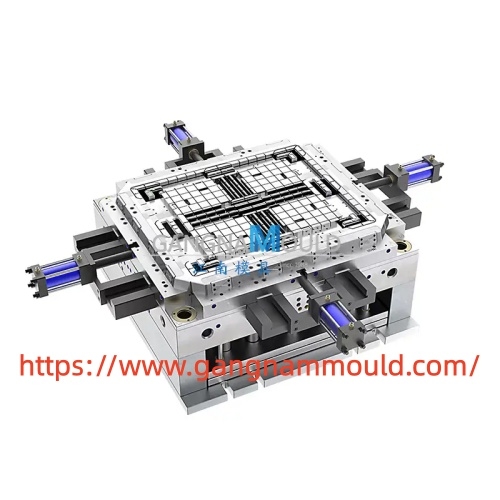
Plastic Kitchenware Mould projects involve several decisions that can affect product quality, delivery schedules, and manufacturing budgets. For buyers developing food containers, serving trays, measuring cups, bowls, or storage accessories, ordering tooling without confirming technical requirements can create problems during sampling and production. Reducing these risks starts with a clear project brief, realistic specifications, and regular communication between the purchasing team and the manufacturer.
One common source of difficulty is an incomplete product design. A drawing may show the general shape but leave important details unresolved, such as wall thickness, dimensional tolerances, lid fit, handle strength, or surface texture. These details can influence tooling structure and the behavior of finished parts. Before requesting a quotation, buyers should prepare updated two dimensional drawings and three dimensional files where available. Marking critical dimensions and functional areas helps engineers identify potential concerns before manufacturing begins.
Material requirements deserve careful attention, particularly when products are intended for contact with food. Buyers should identify the intended resin grade, color requirements, temperature exposure, cleaning conditions, and expected service environment. If a product will contact food, the relevant requirements depend on its intended use and destination market. Material documentation and applicable compliance evidence should be reviewed before approval. Substituting a resin without technical assessment may affect dimensional stability, appearance, processing conditions, or regulatory suitability.
Another risk comes from comparing quotations that cover different scopes of work. One supplier may include design review, trial production, dimensional inspection, and adjustments, while another may price only the tooling itself. A lower initial quotation does not necessarily represent a lower overall project cost if important services are excluded. Buyers should request an itemized proposal that explains the tooling structure, material assumptions, number of cavities, sampling arrangements, expected schedule, and any additional charges. Written clarification makes supplier comparisons more meaningful.
Tool design review should take place before fabrication. Engineers need to assess parting lines, draft angles, gate locations, cooling channels, ejection arrangements, and areas where material may flow unevenly. Features such as deep recesses, thin sections, sharp corners, and complicated snap fits may require particular attention. A design for manufacturing review gives both parties an opportunity to discuss practical adjustments before significant tooling work has been completed. This step can also help clarify which design changes might affect cost or delivery.
Sampling is another important checkpoint. A sample that looks acceptable at first glance may still have dimensional inconsistencies, weak connections, uneven surfaces, or difficulty fitting with another component. Buyers should agree on measurable acceptance criteria before the first trial. Depending on the application, checks may include dimensions, assembly fit, surface appearance, repeated opening and closing, or resistance to expected handling conditions. Recording sample results and outstanding issues creates a clear basis for deciding whether the tooling is ready for the next stage.
Communication during production can prevent small uncertainties from becoming larger problems. Each project should have an agreed contact person, a document revision process, and a method for approving changes. If the buyer changes a color, resin grade, product dimension, or order quantity, the manufacturer should review the possible effects before proceeding. Updated drawings and written approvals help ensure that purchasing, engineering, and production teams work from the same requirements.
Delivery planning also deserves attention. Buyers should ask for a proposed schedule covering design confirmation, tooling fabrication, trial production, sample review, and any planned corrections. They should discuss how delays will be communicated and how additional modifications will affect the timeline. For ongoing orders, maintenance responsibilities, spare components, tooling storage, and ownership arrangements should be documented in the purchasing agreement. These details support continuity when production requirements change or future orders need to be scheduled.
Gangnammould supports customized tooling projects through technical discussions about product drawings, design requirements, and manufacturing arrangements. Buyers can prepare a more focused inquiry by identifying their intended application, resin specifications, annual demand, appearance expectations, and inspection requirements before requesting a proposal. To review the company and its available services, visit https://www.gangnammould.com/ and consider how its manufacturing capabilities align with your project scope. Clear specifications, documented approvals, and a structured sampling process give both parties a practical foundation for managing technical and commercial risks throughout development.

 English
 Arabic
 French
 Spanish
 Portuguese
 Deutsch
 Turkish
 Dutch
 Russian
 Romaian
 Portuguese (Brazil)
 Greek
