


Ozempic Injection: What Beginners Need to Know
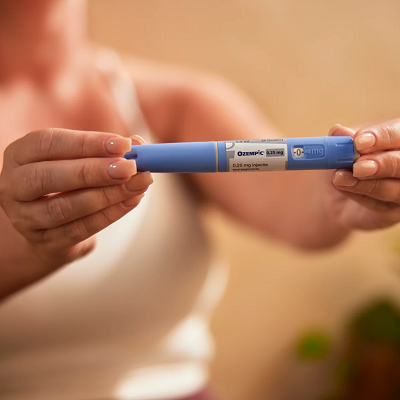
Ozempic injection has gained considerable attention as a treatment for type 2 diabetes and as a medication that may also support weight management in certain circumstances. As more people explore treatment options for blood sugar control and weight-related health concerns, understanding how Ozempic Injection works, how it is used, and what to expect during treatment has become increasingly important.
Ozempic contains semaglutide, a prescription medication that belongs to a group of medicines known as GLP-1 receptor agonists. It works by helping the body regulate blood sugar levels, supporting insulin release when needed, and slowing the movement of food through the stomach. These effects can also help reduce appetite and increase feelings of fullness.
For beginners, starting a new injectable medication may raise questions about safety, dosage, side effects, and long-term results. Although Ozempic can be an effective treatment for eligible patients, it is not suitable for everyone and should always be used under appropriate medical supervision. Understanding the basics can help individuals make informed decisions and establish realistic expectations before beginning treatment.
1. What Is Ozempic Injection and How Does It Work?
Ozempic injection is a prescription medication primarily approved to improve blood sugar control in adults with type 2 diabetes. Depending on the patient's medical circumstances, it may also help reduce the risk of certain cardiovascular and kidney complications associated with type 2 diabetes.
Its active ingredient, semaglutide, mimics the activity of a naturally occurring hormone called glucagon-like peptide-1, or GLP-1. This hormone plays an important role in regulating blood glucose, appetite, and digestion.
Ozempic works through several mechanisms. It helps the pancreas release insulin when blood sugar levels are elevated, reduces the amount of glucose released by the liver, and slows gastric emptying. Together, these effects help improve blood sugar management.
Another important effect is appetite regulation. People using semaglutide may feel satisfied after eating smaller portions and experience fewer hunger cravings. This can contribute to weight loss, particularly when treatment is combined with balanced nutrition and regular physical activity.
However, Ozempic is not simply a weight-loss injection. Its primary purpose is diabetes management, and its benefits and risks depend on an individual's health history, treatment goals, and other medications. Wegovy, which also contains semaglutide, is a separate product approved for chronic weight management in eligible individuals.
2. Who May Benefit From Ozempic Injection?
Ozempic may be considered for adults with type 2 diabetes who need additional support managing their blood glucose levels. It may be prescribed alone or alongside other diabetes treatments, depending on the individual's needs.
People with type 2 diabetes who also have certain cardiovascular risk factors may benefit from its additional protective effects when the medication is appropriate for their circumstances. Some eligible patients may also experience weight reduction, which can support broader metabolic health goals.
Before recommending treatment, a healthcare professional typically considers several factors, including blood sugar levels, medical history, existing medications, kidney function when relevant, and previous responses to diabetes treatments.
Ozempic is not intended to treat type 1 diabetes or diabetic ketoacidosis. It is also not appropriate for every person seeking to lose weight. Individuals without diabetes who are interested in semaglutide for weight management should discuss medications specifically approved for that purpose with a qualified healthcare professional.
Certain medical histories require particular attention. Ozempic carries a boxed warning in the United States concerning thyroid C-cell tumors observed in rodents. It should not be used by people with a personal or family history of medullary thyroid carcinoma or by those with multiple endocrine neoplasia syndrome type 2, according to US prescribing information.
Anyone with a history of pancreatitis, gallbladder disease, severe digestive problems, diabetic eye disease, or significant kidney-related concerns should discuss these issues before starting treatment. Pregnancy also requires special consideration, as semaglutide is generally not recommended during pregnancy for routine weight management and may need to be discontinued when pregnancy is planned.
3. How to Use Ozempic Injection Safely
Ozempic is administered as a subcutaneous injection, meaning the medication is injected beneath the skin rather than into a muscle or vein. It is generally taken once a week, on the same day each week, according to the prescribed treatment plan.
The injection is commonly administered in the abdomen, thigh, or upper arm. Injection sites can be rotated to reduce irritation and help maintain healthy skin.
Understanding the Starting Dose
Treatment usually begins with a low dose to help the body adjust to the medication and reduce the likelihood of digestive side effects. The dose may be increased gradually if needed and if the medication is tolerated well.
The appropriate dose depends on the treatment indication, response to therapy, and individual medical circumstances. Patients should never increase the dose independently, take extra medication to accelerate weight loss, or change their schedule without professional guidance.
A healthcare professional or pharmacist can explain how to prepare the injection pen, select the correct dose, administer the medication, and store it properly. Patients should follow the specific instructions supplied with their prescribed product.
What If a Dose Is Missed?
The recommended approach to a missed dose depends on how much time has passed since the scheduled injection. Under US prescribing instructions, a missed Ozempic dose can generally be administered within five days of the missed dose. If more than five days have passed, the missed dose should be skipped, and the regular schedule should resume.
Patients should not take two doses together to compensate for a missed injection. If the weekly injection day needs to be changed, the product instructions and advice from a healthcare professional should be followed.
4. Common Ozempic Injection Side Effects and Safety Considerations
Like other prescription medications, Ozempic can cause side effects. Digestive symptoms are among the most frequently reported, especially during the early stages of treatment or following a dose increase.
Common side effects include:
-
Nausea or an unsettled stomach
-
Vomiting
-
Diarrhea
-
Constipation
-
Abdominal discomfort
-
Reduced appetite
-
Bloating or indigestion
These symptoms may improve as the body adjusts to treatment, although their duration and severity vary from person to person.
Eating smaller meals, avoiding very large or high-fat meals, eating slowly, and drinking sufficient fluids may help some people manage mild digestive discomfort. However, persistent vomiting, severe diarrhea, or difficulty keeping fluids down requires medical advice because dehydration can contribute to kidney problems.
Warning Signs That Require Medical Attention
Some symptoms require prompt medical assessment rather than routine self-care.
Severe, persistent abdominal pain, particularly if it spreads to the back and occurs with or without vomiting, may indicate pancreatitis. Pain in the upper abdomen, fever, or yellowing of the skin or eyes may suggest gallbladder or liver-related problems and should be evaluated.
Sudden changes in vision or worsening diabetic eye symptoms should also be reported. In people who use insulin or sulfonylureas alongside Ozempic, the risk of low blood sugar may increase, so medication adjustments and glucose monitoring may be necessary.
A serious allergic reaction involving facial or throat swelling, breathing difficulties, or faintness requires emergency care.
Ozempic is not recommended for people with severe gastroparesis, a condition that significantly delays stomach emptying. Patients should also inform their healthcare professional about other medications, particularly those that can lower blood sugar or medicines whose absorption may be affected by delayed gastric emptying.
5. What Results Can Beginners Expect From Ozempic Injection?
The results of Ozempic injection vary depending on factors such as the prescribed dose, treatment duration, baseline blood sugar levels, eating habits, physical activity, and individual response to semaglutide.
For people with type 2 diabetes, improvements in blood glucose may develop over the first several weeks, while the full effect on longer-term measures such as HbA1c may take several months to assess. Regular monitoring helps determine whether the treatment is working as intended.
Weight changes may also occur because the medication can reduce hunger and help people feel full sooner. However, the amount of weight lost differs considerably between individuals. Not everyone experiences substantial weight loss, and results should not be judged solely by changes on the scale.
A balanced eating pattern, regular movement, adequate sleep, and sustainable lifestyle habits remain important parts of treatment. Ozempic should not be viewed as a replacement for these measures.
It is also important to understand that weight may return after semaglutide is discontinued. The medication's appetite-related effects generally do not provide a permanent change in the body's regulation of hunger. Anyone considering stopping treatment should discuss an appropriate plan with a healthcare professional, particularly when Ozempic is being used to manage diabetes.
Progress is best assessed through a combination of blood sugar measurements, relevant laboratory tests, weight trends when appropriate, side effects, and overall health outcomes.
6. Tips for Beginners Before Starting Ozempic Injection
Preparing for treatment can make the experience more manageable and help reduce avoidable problems. Before the first injection, patients should review their medical history, current medications, allergies, and treatment goals with a qualified healthcare professional.
The following practical steps can help beginners approach treatment responsibly:
-
Understand the prescription: Confirm the correct dose, injection day, administration technique, and instructions for missed doses.
-
Follow storage instructions: Store the medication according to the product label. Protect it from excessive heat and freezing, and check the instructions for use before and after the first use of the pen.
-
Monitor blood sugar when advised: People with diabetes should follow their recommended glucose-monitoring schedule, particularly if they also use insulin or other medicines that can cause hypoglycemia.
-
Maintain balanced nutrition: Choose nutritious foods, include appropriate sources of protein and fiber, and avoid unnecessarily restrictive diets.
-
Stay hydrated: Adequate fluid intake is particularly important when nausea, vomiting, or diarrhea occurs.
-
Keep follow-up appointments: Regular reviews allow the healthcare professional to assess progress, adjust treatment when appropriate, and identify potential complications.
-
Avoid unverified products: Purchase prescription medication through legitimate, regulated channels and avoid products with uncertain ingredients, storage conditions, or authenticity.
Beginners should also be cautious about expecting immediate or dramatic results. Gradual dose increases are intended to improve tolerability, and changing the prescribed schedule to accelerate weight loss can increase the risk of complications.
Frequently Asked Questions About Ozempic Injection
1. Is Ozempic injection used for weight loss?
Ozempic is primarily prescribed to improve blood sugar control in people with type 2 diabetes. Weight loss can occur as a secondary benefit. Semaglutide products specifically approved for chronic weight management may be considered for eligible individuals after an assessment of their health and treatment needs.
2. How often should Ozempic injection be taken?
Ozempic is generally administered once weekly, on the same day each week. The prescribed dose and schedule should be followed carefully. A healthcare professional or pharmacist can provide guidance on administration and any necessary changes.
3. How long does Ozempic take to work?
Blood sugar improvements may begin during the first several weeks, although the full effect on HbA1c generally requires a longer assessment period. Weight changes may develop gradually over several months. Individual results depend on treatment, lifestyle, and personal health factors.
4. What are the most common side effects of Ozempic injection?
The most common side effects include nausea, vomiting, diarrhea, constipation, abdominal discomfort, and reduced appetite. These symptoms are often more noticeable when treatment begins or the dose increases. Severe or persistent symptoms should be discussed with a healthcare professional.
5. Can Ozempic be used without diabetes?
Ozempic is not specifically approved in the United States as a weight-loss medication for people without diabetes. However, certain semaglutide products are approved for chronic weight management in eligible patients. The appropriate treatment depends on the individual's medical history, eligibility, and local prescribing guidelines.
6. What happens after stopping Ozempic injection?
After stopping treatment, appetite may increase and weight regain can occur. Blood sugar levels may also rise in people who use the medication for diabetes management. Treatment should not be stopped or changed without discussing the potential effects and an appropriate follow-up plan with a healthcare professional.
Ozempic injection can be a valuable treatment option for eligible people with type 2 diabetes, offering blood sugar benefits and the potential for weight reduction. However, safe and effective use depends on appropriate prescribing, gradual dose adjustments, awareness of side effects, and regular follow-up. Beginners who understand how the medication works and what to expect are better prepared to make informed decisions about their health.
Medical disclaimer: This article is intended for general educational purposes and does not replace individualized medical advice, diagnosis, or treatment. Ozempic is a prescription medication and should be used only under appropriate medical supervision. Approved uses and prescribing instructions may vary by country.
Read More About Ozempic Injection: https://bout-ye.com/blogs/9292/Does-Ozempic-Injection-Cause-Nausea-Here-s-Why

 English
 Arabic
 French
 Spanish
 Portuguese
 Turkish
 Dutch
 Italiano
 Russian
 Romaian
 Portuguese (Brazil)
 Greek
