


A Strategic Dissection: In-Depth Partner Relationship Management Market Analysis 2035
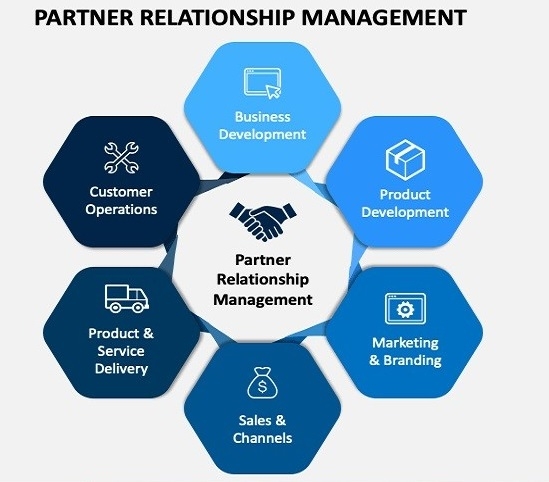
A Framework for Strategic Channel Insight
To navigate the future of indirect sales, a rigorous and structured assessment is indispensable. A comprehensive Partner Relationship Management Market Analysis provides this crucial insight by systematically evaluating the internal and external forces shaping the industry. This analytical process typically involves examining the market's fundamental drivers that fuel its growth, the restraints that hinder its progress, the untapped opportunities that promise future expansion, and the challenges or threats that could jeopardize its stability. By dissecting these components, organizations can develop a nuanced understanding of the market dynamics. This enables them to make more informed decisions about technology investment, craft resilient go-to-market strategies, and proactively identify risks and competitive advantages. Such an analysis is not merely an academic exercise; it is a vital strategic tool for any company that relies on a partner ecosystem to drive its business forward into the next decade and beyond.
Powerful Drivers Propelling PRM Adoption
The adoption of PRM solutions is being propelled by a set of powerful market drivers. The foremost driver is the imperative for scalable growth. Companies, especially in the technology and SaaS sectors, are realizing that building an extensive direct sales force is slow and expensive. Leveraging a network of channel partners is a far more efficient way to expand market reach, both domestically and internationally. This strategic shift towards channel-centric business models directly fuels the demand for PRM systems to manage these expanding networks. Another significant driver is the increasing complexity of modern partner ecosystems. No longer just simple resellers, today's channels include a diverse mix of affiliates, managed service providers (MSPs), consultants, and technology partners, each with unique needs. A dedicated PRM platform is essential to orchestrate this complexity, providing the structure and automation needed to keep the ecosystem running smoothly and productively.
Examining the Restraints and Barriers to Entry
Despite strong growth drivers, the PRM market faces several restraints that can slow adoption. The perceived cost and complexity of implementation are significant barriers, particularly for small and medium-sized businesses with limited IT budgets and resources. Integrating a new PRM system with existing enterprise software, such as CRM and ERP systems, can be a challenging and time-consuming process that requires specialized expertise. Another restraint is organizational inertia and resistance to change. Shifting from managing partners through spreadsheets and email to a structured PRM platform requires a cultural shift and a commitment to new business processes, which can be difficult to achieve. Finally, proving a clear and immediate return on investment (ROI) can sometimes be challenging, as the benefits of improved partner relationships and engagement can be difficult to quantify in the short term, leading some decision-makers to hesitate on the investment.
Uncovering Lucrative and Untapped Opportunities
The PRM market is ripe with opportunities for future growth and innovation. One of the most significant opportunities lies in the expansion into non-traditional and underserved industry verticals. While the tech sector has been an early adopter, industries such as manufacturing, healthcare, insurance, and financial services are increasingly recognizing the value of channel partners and are poised for significant PRM adoption. Another major opportunity is the deeper integration of artificial intelligence (AI) and machine learning. This will transform PRM platforms from systems of record into predictive engines of growth, offering insights on which partners to recruit, which leads are most likely to close, and what actions will best improve partner performance. Furthermore, the rise of the gig economy and freelance consultants creates an opportunity for PRM vendors to develop new, more flexible solutions tailored to managing relationships with individual influencers and experts, opening up a completely new market segment.
Navigating Challenges and Competitive Threats
While the outlook is positive, the market is not without its challenges and threats. Data security and privacy remain a paramount concern. PRM systems house sensitive data about partners, deals, and customers, making them a potential target for cyberattacks. Vendors must continuously invest in robust security measures to protect this data and comply with evolving regulations like GDPR and CCPA. Intense competition within the market poses another challenge, leading to price pressure and commoditization, which can erode profit margins for vendors. A related threat is the potential for large CRM providers to bundle PRM features more aggressively, potentially squeezing out smaller, pure-play specialists. Finally, the challenge of demonstrating tangible ROI remains. Vendors must become better at providing clear analytics and reporting that directly links PRM activities to key business outcomes like revenue growth and market share expansion to overcome customer skepticism.
➤ In-Depth Market Studies by Market Research Future:

 English
 Arabic
 French
 Spanish
 Portuguese
 Deutsch
 Turkish
 Dutch
 Italiano
 Russian
 Portuguese (Brazil)
 Greek
