


Electrical Certificate London: What You Need to Know Before Testing
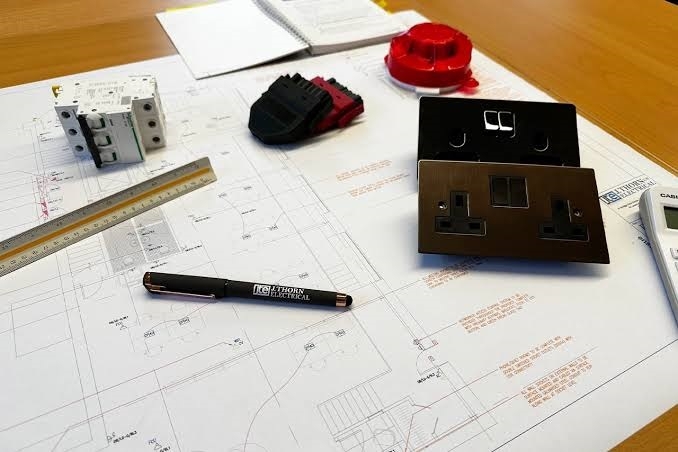
Electrical safety is an important part of owning, renting or managing a property in London. Every building relies on electrical systems to power lighting, heating, appliances and equipment. However, damaged wiring, loose connections and faulty electrical components can create serious risks. Regular inspections help identify these problems and keep electrical installations safe.
Before arranging an electrical certificate London inspection, it is important to understand which certificate you need, what the electrician will check and how much preparation is required. Whether you are a landlord, homeowner or business owner, knowing what to expect can help you avoid delays, manage costs and meet the relevant safety requirements. The right inspection also gives you a clearer picture of your property's electrical condition.
Why Do You Need an Electrical Certificate in London?
An electrical certificate provides a record of electrical installation work, inspection or testing. It helps property owners understand whether an electrical system meets the relevant safety requirements.
In the UK, electrical installations must follow the applicable standards in BS 7671, also known as the IET Wiring Regulations. These standards cover the design, installation, inspection and testing of electrical systems.
There are several reasons why you may need electrical certification:
-
To meet electrical safety requirements for rented properties.
-
To check the condition of an older electrical installation.
-
To document new electrical installation work.
-
To support property sales and purchases.
-
To confirm that electrical alterations have been tested.
-
To identify faults before they cause damage or disruption.
-
To support workplace electrical safety management.
However, not every property needs the same certificate. The correct document depends on the type of electrical work and the reason for the inspection.
Types of Electrical Certificate London Property Owners Should Know
Before booking an inspection, you should understand the main types of electrical certificates used in London. Each document serves a different purpose.
1. Electrical Installation Condition Report (EICR)
An Electrical Installation Condition Report (EICR) assesses the condition and safety of an existing electrical installation.
A qualified and competent inspector examines accessible electrical components and carries out suitable tests. The aim is to identify damage, deterioration, defects and potential safety risks.
An EICR may cover:
-
Consumer units and distribution boards.
-
Fixed wiring and electrical cables.
-
Socket outlets and switches.
-
Lighting circuits and fittings.
-
Earthing and bonding arrangements.
-
Circuit breakers and fuses.
-
Residual Current Devices (RCDs).
-
Signs of overheating or physical damage.
After the inspection, the electrician provides a report that records the findings and any recommended action.
An EICR is especially useful for landlords, homeowners, commercial property managers and buyers who want to understand the condition of an existing electrical installation.
2. Electrical Installation Certificate (EIC)
An Electrical Installation Certificate is issued after new electrical installation work or certain major alterations.
It confirms that the completed work has been inspected and tested in accordance with the relevant requirements of BS 7671.
You may need an EIC when:
-
Installing a new electrical installation.
-
Adding a new circuit.
-
Replacing a consumer unit.
-
Completing major electrical alterations.
-
Carrying out significant electrical installation work.
The certificate records details of the work, inspection results and relevant test measurements.
It provides evidence that the electrical work has been checked by an appropriately qualified person.
3. Minor Electrical Installation Works Certificate
A Minor Electrical Installation Works Certificate (MEIWC) covers certain smaller electrical alterations that do not involve adding a new circuit.
For example, it may apply to replacing a socket or making certain changes to an existing lighting circuit.
The certificate records the work completed and relevant inspection and test results.
However, the correct documentation depends on the nature of the work. A competent electrician can advise which certificate is appropriate.
What Should You Check Before Electrical Testing?
Preparing your property before an inspection can help the electrician complete the work without unnecessary delays.
Although the inspector will carry out the technical checks, property owners can take several steps to make the process easier.
1. Identify the Purpose of the Inspection
First, be clear about why you need an electrical certificate.
Are you a landlord arranging a routine inspection? Have you recently completed electrical alterations? Are you buying a property and want to understand the condition of its wiring?
The answer will help determine whether you need an EICR, an EIC or a Minor Electrical Installation Works Certificate.
Giving the electrician accurate information before the visit can also help them prepare for the inspection.
2. Review Previous Electrical Reports
If your property has an earlier EICR or electrical certificate, keep it available.
Previous reports can provide useful details about the installation, including earlier defects, recommendations and inspection dates.
For example, an older report may show that certain circuits needed further investigation. Sharing this information helps the inspector understand the installation's history.
You should also keep records of any repairs or electrical upgrades completed since the previous inspection.
3. Make Electrical Equipment Accessible
The inspector needs access to relevant electrical equipment.
Before the appointment, make sure the consumer unit, distribution boards and other accessible electrical components are not blocked by furniture, stored items or other obstacles.
If the property has locked electrical cupboards, arrange access in advance.
Do not remove covers or attempt to expose electrical components yourself. Leave all technical inspection work to the qualified professional.
4. Inform Tenants or Occupants
If you manage a rented property or commercial building, inform the occupants about the inspection date.
Electrical testing may involve temporary interruptions to the electricity supply. Tenants and staff should know when this may happen so they can plan around the work.
For commercial premises, it is also useful to identify equipment that cannot be switched off without proper planning.
5. Report Known Electrical Problems
Tell the electrician about any known electrical issues before testing begins.
These may include:
-
Sockets that do not work.
-
Lights that frequently stop working.
-
Damaged switches.
-
Signs of overheating.
-
Previous electrical faults.
-
Problems with circuit breakers.
This information can help the inspector understand areas that may need closer attention.
However, reporting a problem does not replace the need for a full inspection where one is required.
What Happens During an Electrical Certificate London Inspection?
An electrical inspection involves several checks and tests. The exact process depends on the type of certificate and the condition of the installation.
Understanding the main stages helps property owners know what to expect.
Visual Inspection
The electrician begins with a visual assessment of accessible electrical components.
They look for damaged cables, worn equipment, poor connections, signs of overheating and other visible defects.
They may also check whether the installation appears suitable for its intended use.
Earthing and Bonding Checks
Earthing and bonding form an important part of electrical safety.
The inspector checks whether suitable earthing arrangements and protective bonding connections are present.
These measures help reduce the risk of electric shock when an electrical fault occurs.
Testing Protective Devices
The electrician checks relevant protective devices, including circuit breakers and RCDs.
These devices help protect people and property against electrical faults.
The inspector assesses whether they operate within the required limits and provide suitable protection.
Electrical Circuit Testing
Electrical tests help identify problems that a visual inspection may not reveal.
Depending on the installation, testing may include:
-
Continuity testing.
-
Insulation resistance testing.
-
Polarity testing.
-
Earth fault loop impedance testing.
-
RCD operation testing.
The inspector records the relevant results as part of the certification process.
Preparing the Final Report
Once the inspection and testing are complete, the electrician prepares the required certificate or report.
For an EICR, this includes the condition of the installation, test results, observations and any recommended remedial work.
Property owners should read the report and ask the inspector to explain any technical findings they do not understand.
Understanding Electrical Inspection Codes
If you are arranging an EICR, you should understand the classification codes used in the report.
These codes explain the seriousness of any defects and help determine what action is required.
C1: Danger Present
A C1 code means the inspector has identified an immediate danger.
The affected part of the installation requires immediate attention and may need to be made safe before the inspector leaves.
C2: Potentially Dangerous
A C2 code identifies a potentially dangerous condition.
The defect may create a serious risk under certain conditions, so urgent remedial work is required.
C3: Improvement Recommended
A C3 code means that an improvement is recommended.
The issue does not normally make the installation unsafe for continued use, but an upgrade may improve electrical safety.
A C3 observation alone does not make an EICR unsatisfactory.
FI: Further Investigation Required
An FI code means the inspector needs further investigation to establish the extent or seriousness of a potential problem.
The property owner should arrange the recommended investigation without delay.
Understanding these codes helps you decide which issues need immediate attention and which can be addressed as part of planned maintenance.
Electrical Certificate London Costs: What Should You Expect?
The cost of an electrical certificate in London depends on the type of work, property size and complexity of the installation.
For an EICR, indicative market prices may range from around £70 to £350 or more. These figures are estimates rather than fixed industry rates.
A small flat with a simple installation may cost less to inspect than a large house, HMO or commercial building.
Factors That Affect the Cost
Property size: Larger properties often have more circuits and electrical components to inspect.
Number of circuits: More circuits can increase the time needed for testing.
Age of the installation: Older systems may require closer inspection due to wear, outdated equipment or previous alterations.
Accessibility: Restricted access to electrical equipment can make the inspection take longer.
Installation condition: Defects may require additional investigation and remedial work.
Type of certificate: An EICR, EIC and MEIWC involve different types of work, so their costs vary.
Are Repairs Included in the Certificate Cost?
In most cases, an EICR quotation covers the inspection, testing and report. It does not include the cost of repairing defects.
If the inspector identifies problems, they will record them and explain what action is needed.
You should request a separate quotation for remedial work. Check whether it includes materials, labour, additional testing and the relevant completion documents.
Electrical Certificate London Requirements for Landlords
Landlords in London must follow the electrical safety regulations that apply to rented properties in England.
Under the Electrical Safety Standards in the Private Rented Sector (England) Regulations 2020, landlords must arrange inspections and testing of fixed electrical installations at least every five years.
The inspection must be carried out by a qualified person who can assess whether the installation meets the relevant safety standards.
How Often Should Landlords Arrange an EICR?
For properties covered by the regulations, an inspection must take place at intervals of no more than five years.
However, the inspector may recommend a shorter period based on the condition of the electrical installation.
Landlords should follow the recommended inspection date in the report.
What Documents Must Landlords Provide?
Landlords have specific responsibilities for sharing electrical reports.
They must:
-
Provide existing tenants with a copy within 28 days of the inspection.
-
Give new tenants a copy before they occupy the property.
-
Provide a copy to prospective tenants within 28 days of a written request.
-
Supply a copy to the local housing authority within seven days of a written request.
-
Arrange required remedial work within the specified timescale.
Landlords must also keep suitable records of inspections and completed repairs.
Meeting these requirements helps protect tenants and supports compliance with electrical safety rules.
What Happens If Your Electrical Installation Fails the Inspection?
An unsatisfactory EICR means the inspector has found defects that require action.
However, this does not mean the entire electrical installation needs replacing.
The report explains the problems and assigns relevant classification codes. The property owner must then arrange the required repairs or further investigation.
Common findings include damaged wiring, defective protective devices, inadequate earthing and unsafe electrical connections.
Once the work is complete, further testing may be needed to confirm that the defects have been addressed.
For landlords, required remedial work or further investigation must generally be completed within 28 days, or within a shorter period specified in the report, under the applicable regulations.
Always keep written evidence of completed repairs and any follow-up inspection.
Common Mistakes to Avoid Before Electrical Testing
A little preparation can help you avoid problems when arranging electrical certification.
Booking the wrong inspection: An EICR assesses an existing installation, while an EIC records new installation work or certain major alterations. Explain your requirements before booking.
Ignoring previous defects: Review earlier inspection reports and make sure outstanding problems receive attention.
Choosing a provider based only on price: Check qualifications, experience and the scope of the inspection before accepting a quotation.
Blocking access to electrical equipment: Make sure the inspector can reach relevant equipment without unnecessary delays.
Failing to inform occupants: Tell tenants or staff about the inspection and any planned power interruptions.
Delaying remedial work: Take action on defects within the relevant timescales and keep records of completed work.
How Almens Consult Can Help With Electrical Engineering Requirements
Almens Consult provides electrical engineering consultancy and technical support for businesses and property stakeholders. Its services cover power design, energy management and safety compliance, helping clients understand their electrical engineering needs and plan suitable solutions.
Whether you are reviewing an existing electrical installation, planning an upgrade or managing a commercial engineering project, Almens Consult can help you assess technical requirements and identify practical next steps. Its engineering expertise supports effective project planning, electrical system performance and long-term safety.
For organisations that need guidance on electrical systems, compliance and engineering improvements, Almens Consult offers a practical approach focused on quality and reliable outcomes.
Conclusion
Preparing for an electrical inspection is an important step towards maintaining a safe property. Before arranging an electrical certificate in London, make sure you understand which document you need, review previous reports and provide suitable access to the electrical installation.
An EICR assesses an existing electrical system, while an Electrical Installation Certificate records new installation work or major alterations. A Minor Electrical Installation Works Certificate covers certain smaller changes.
The inspection process may include visual checks, earthing assessments, protective device testing and electrical circuit tests. The final report explains the findings and identifies any work that needs attention.
For landlords, regular inspections and timely remedial work are essential responsibilities. For homeowners and businesses, electrical certification helps identify potential hazards and supports better property management.
By choosing a competent professional and preparing your property before testing, you can make the certification process clearer and help maintain a safe electrical installation.

 English
 Arabic
 French
 Spanish
 Portuguese
 Deutsch
 Turkish
 Dutch
 Italiano
 Russian
 Romaian
 Portuguese (Brazil)
