


A Complete Patient Guide to Rhinoplasty in Dubai
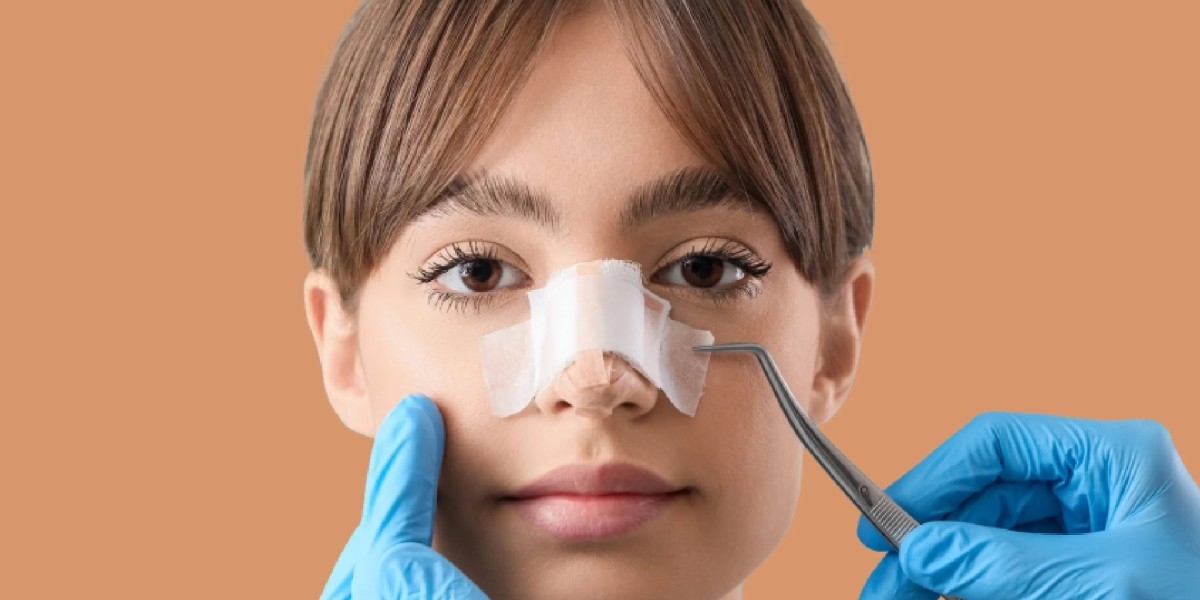
The nose is one of the most noticeable features of the face and plays an important role in overall facial harmony. Its shape, size, width, and proportions can influence how other facial features appear. Some individuals may feel uncomfortable with a prominent nasal bridge, a rounded nasal tip, wide nostrils, or an uneven nasal profile. Others may experience structural concerns that affect their ability to breathe comfortably. Rhinoplasty in Dubai offers an individualized surgical approach to addressing these aesthetic and functional concerns while considering each patient's natural facial characteristics.
Rhinoplasty, commonly known as nose reshaping surgery, involves modifying the nasal bone, cartilage, and surrounding tissues to achieve an appropriate appearance or improve nasal function. The procedure is not simply about making the nose smaller. Instead, it focuses on creating suitable proportions that complement the patient's existing facial structure.
Before deciding to undergo surgery, patients should understand the treatment process, available techniques, consultation requirements, recovery expectations, and factors that influence the final outcome. Proper preparation can help individuals make informed decisions and develop realistic expectations.
At Perfect Doctors Clinic, patients can discuss their nasal concerns, explore suitable surgical approaches, and understand the treatment journey with Dr perfect celebrity. This guide explains the essential aspects of rhinoplasty to help patients understand what to expect before, during, and after the procedure.
What Is Rhinoplasty Surgery?
Rhinoplasty surgery is a cosmetic or reconstructive procedure designed to change the shape, structure, or proportions of the nose. Depending on the patient's requirements, the surgeon may modify nasal bones, reshape cartilage, refine the tip, adjust nostril width, or improve structural support.
The procedure can address several concerns, including:
- A prominent nasal hump.
- A wide or flat nasal bridge.
- A bulbous or poorly defined nasal tip.
- Wide or asymmetrical nostrils.
- A crooked or uneven nasal appearance.
- A drooping nasal tip.
- Nasal irregularities caused by previous injuries.
- Selected structural problems affecting breathing.
Every patient's nasal anatomy is different. Therefore, the surgical plan should be developed according to the individual's concerns, facial proportions, skin thickness, and functional requirements.
Some patients may need minor refinements, while others may require more extensive structural modifications. The objective is to achieve an appropriate balance between appearance and nasal function.
Why Do Patients Consider Rhinoplasty in Dubai?
People consider rhinoplasty for different personal and medical reasons. Some want to improve a feature that has affected their confidence for years, while others may be interested in correcting changes caused by an injury or previous surgery.
Rhinoplasty Dubai treatment may be considered for several reasons.
Improving Facial Harmony
The nose occupies a central position on the face. Its proportions can influence the appearance of the forehead, cheeks, lips, and chin.
Some individuals feel that their nose appears too prominent or does not complement their other facial features. Rhinoplasty can help modify selected nasal characteristics to create a more balanced appearance.
Correcting a Nasal Hump
A raised area along the nasal bridge may become particularly noticeable in side-profile views. Depending on the patient's anatomy, rhinoplasty may involve carefully reshaping the bone and cartilage responsible for the hump.
Refining the Nasal Tip
A rounded, wide, or drooping nasal tip may affect the overall appearance of the nose. Tip refinement can involve modifying the underlying cartilage while maintaining appropriate structural support.
Addressing Nasal Asymmetry
Some individuals have a naturally crooked nose, while others develop asymmetry following an injury. Rhinoplasty may help improve selected irregularities through adjustments to the underlying nasal framework.
Improving Functional Concerns
Certain nasal structural abnormalities can affect airflow. When appropriate, functional corrections may be included in the surgical plan to address breathing concerns alongside aesthetic goals.
Who Is a Suitable Candidate for Rhinoplasty?
Not everyone requires or is suitable for rhinoplasty. A proper consultation and medical assessment are necessary before determining whether surgery is appropriate.
Potential candidates generally include individuals who:
- Are concerned about the appearance or structure of their nose.
- Have realistic expectations about surgical outcomes.
- Have completed the major stages of facial development.
- Are in suitable general health for surgery.
- Understand the recovery process and postoperative requirements.
- Are willing to follow medical instructions.
- Have specific aesthetic or functional concerns that can be evaluated.
Patients with previous nasal surgery, existing medical conditions, or a history of nasal injuries may require additional assessment.
The decision should be based on individual medical suitability rather than general beauty standards or pressure from other people.
Understanding Different Rhinoplasty Treatment Options
There are several Rhinoplasty treatment options available, and the appropriate approach depends on the patient's anatomy and desired changes.
1. Open Rhinoplasty
Open rhinoplasty involves a small external incision across the columella, the tissue separating the nostrils. The surgeon lifts the nasal skin to gain direct access to the underlying bone and cartilage.
This approach may be suitable when detailed structural changes are required, particularly in more complex procedures.
2. Closed Rhinoplasty
Closed rhinoplasty involves incisions placed inside the nostrils. The technique allows selected nasal modifications without an external columellar incision.
It may be appropriate for patients whose surgical requirements can be addressed through internal access.
3. Tip Refinement Rhinoplasty
This approach focuses on improving the shape, projection, or definition of the nasal tip.
The surgeon evaluates cartilage strength, skin thickness, and existing tip position before deciding which modifications are appropriate.
4. Nasal Bridge Reshaping
Bridge reshaping may involve reducing a prominent hump, improving irregularities, or adjusting the nasal profile.
The aim is to create a smoother and more balanced transition between the upper nasal bridge and tip.
5. Functional Rhinoplasty
Functional rhinoplasty focuses on selected structural problems that affect nasal airflow.
Depending on the examination findings, it may involve correcting abnormalities within the nasal framework or supporting structures.
6. Revision Rhinoplasty
Revision rhinoplasty is performed on a nose that has previously undergone surgery.
It may be considered when patients experience persistent aesthetic concerns, structural problems, or breathing difficulties after an earlier procedure.
Revision surgery can be more complex because previous modifications, scar tissue, and changes in cartilage support may influence the available treatment options.
Rhinoplasty Consultation: What Should Patients Expect?
A consultation is an important first step in the treatment journey. It allows the patient and surgeon to discuss expectations, evaluate nasal anatomy, and determine which surgical approach may be suitable.
During a consultation at Perfect Doctors Clinic, patients can discuss their concerns and explore treatment possibilities with Dr perfect celebrity.
Discussion of Personal Concerns
Patients should explain which aspects of their nose they would like to improve.
These may include:
- Nasal bridge width or height.
- A prominent hump.
- Nasal tip shape.
- Nostril size.
- Facial asymmetry.
- Breathing difficulties.
- Changes following previous nasal surgery.
Clear communication helps establish priorities for treatment planning.
Examination of Nasal Anatomy
The surgeon evaluates the external and internal nasal structures, including bone, cartilage, skin, and nasal airflow.
Skin thickness is particularly important because it can influence how clearly the underlying structural changes become visible after surgery.
Review of Medical History
Previous operations, nasal injuries, allergies, medications, and relevant medical conditions should be discussed.
This information helps the medical team assess potential risks and determine appropriate preparation.
Discussion of Expected Outcomes
Patients should understand which changes may be achievable and which limitations may apply.
The surgeon should explain that individual anatomy and healing responses influence the final appearance.
Rhinoplasty Before and After: Understanding Expected Changes
Rhinoplasty before and after photographs can help patients understand the types of changes that may be achieved through surgery.
Before surgery, photographs may be taken from different angles to document the existing nasal structure.
These typically include:
- Front-facing photographs.
- Side-profile photographs.
- Three-quarter views.
- Base views, when appropriate.
Reviewing these images helps evaluate nasal proportions, bridge shape, tip definition, and visible asymmetry.
Patients may also bring reference photographs to communicate their aesthetic preferences. However, they should understand that another person's result cannot be guaranteed because nasal anatomy differs between individuals.
Digital simulations, when available, can help explain the direction of planned changes. They should be treated as visual planning tools rather than exact predictions of surgical results.
A realistic understanding of Rhinoplasty before and after changes can help patients approach surgery with appropriate expectations.
How Is Rhinoplasty Surgery Performed?
The exact surgical process depends on the selected technique and the patient's individual requirements.
Although each procedure is different, rhinoplasty generally involves several stages.
Step 1: Surgical Preparation
Before surgery, the medical team reviews the treatment plan, medical history, and preoperative instructions.
Patients may receive guidance regarding medication, food, drinks, and other preparations.
Step 2: Anesthesia
Rhinoplasty is commonly performed under general anesthesia, although the appropriate anesthesia arrangement depends on the procedure and medical assessment.
Step 3: Surgical Access
The surgeon makes the required incisions using the selected open or closed approach.
Step 4: Nasal Reshaping
The underlying bone and cartilage are modified according to the planned treatment.
This may involve bridge refinement, tip reshaping, nostril adjustment, or structural support.
Step 5: Closing and Protection
After the required modifications, the incisions are closed and appropriate protective materials may be placed.
A nasal splint may be used to help protect the nose during early healing.
Step 6: Initial Monitoring
Patients are monitored after surgery and receive postoperative instructions before continuing recovery at home.
Factors That Influence Rhinoplasty Results
The final appearance following rhinoplasty depends on several interconnected factors.
Skin Thickness
Thicker nasal skin may retain swelling for longer and can make fine tip definition more challenging.
Thinner skin may reveal structural changes more clearly but can also make minor irregularities more noticeable.
Nasal Bone and Cartilage
The shape and strength of the underlying nasal framework influence the modifications that can be performed.
Facial Proportions
The nose should complement the forehead, cheeks, chin, and other facial features.
Surgical Planning
A personalized surgical plan considers the patient's anatomy, expectations, and functional requirements.
Individual Healing Response
Every patient heals differently. Swelling, bruising, and tissue recovery may progress at different rates.
These factors influence the development of natural-looking Rhinoplasty results.
Rhinoplasty Recovery: A Complete Healing Guide
Rhinoplasty recovery is an essential part of the surgical journey. Patients should understand that the nose needs time to heal and that its appearance changes gradually.
First 48 Hours
During the initial period, patients may experience swelling, bruising, nasal congestion, and discomfort.
Rest is important, and patients should follow medication and sleeping instructions.
Keeping the head elevated may help manage swelling. However, all recovery measures should follow the surgeon's recommendations.
First Week
Swelling and bruising may remain visible during the first week.
A protective splint may be placed over the nose, depending on the procedure.
Patients should avoid adjusting the splint or touching the nose unnecessarily.
Second Week
Bruising and visible swelling generally begin improving.
Some patients may feel comfortable returning to certain daily activities, depending on their recovery and medical advice.
First Month
The nose continues to settle, although some swelling may remain.
Patients should avoid strenuous exercise, contact sports, and activities that could cause accidental nasal injury until medically cleared.
Long-Term Recovery
The final nasal contours become clearer gradually over several months.
The tip may take longer to settle, especially in patients with thicker skin or extensive surgical modifications.
Patients should attend follow-up appointments and avoid evaluating the final outcome prematurely.
Essential Aftercare Instructions Following Rhinoplasty
Proper aftercare helps patients protect the healing nasal structures and follow an organized recovery routine.
Keep Your Head Elevated
Sleeping with the head elevated may help reduce swelling during the early recovery period.
Patients should follow the recommended sleeping position and avoid placing pressure on the nose.
Avoid Touching the Nose
Unnecessary touching, rubbing, or pressing should be avoided.
Patients should not attempt to adjust splints or remove internal materials themselves.
Follow Medication Instructions
Medication should be taken according to the surgeon's directions.
Patients should not add medicines or supplements without checking whether they are appropriate during recovery.
Maintain Nasal Hygiene
Patients should follow instructions regarding cleaning, saline sprays, and other recommended nasal care methods.
Forceful nose blowing and inserting objects into the nostrils should be avoided unless specifically permitted.
Avoid Strenuous Activities
Exercise and heavy physical activities should be resumed gradually according to medical advice.
Protect the Nose From Injury
Patients should avoid situations where accidental pressure or impact could damage the healing nose.
Attend Follow-Up Appointments
Regular examinations allow the surgeon to monitor healing and address concerns.
Rhinoplasty Cost in Dubai: What Determines the Treatment Price?
Understanding treatment expenses is an important part of planning surgery. Rhinoplasty cost in Dubai can vary according to the procedure's complexity, surgical technique, facility requirements, and individual treatment needs.
Not every patient requires the same amount of surgical work. A procedure involving minor tip refinement may have different requirements from a more extensive structural correction.
Main Factors Affecting Rhinoplasty Cost in Dubai
- Complexity of the Procedure
The number and type of nasal modifications required can influence the overall expenses.
- Surgical Technique
Different techniques may involve different levels of surgical planning and technical requirements.
- Primary or Revision Rhinoplasty
Revision procedures may require additional planning because of existing scar tissue, previous structural changes, and cartilage availability.
- Anesthesia and Facility Charges
Anesthesia arrangements, operating room facilities, and associated medical services may contribute to the treatment cost.
- Postoperative Care
Follow-up appointments and other recovery-related services should also be considered.
How to Understand Rhinoplasty Cost in Dubai Before Treatment
Patients researching Rhinoplasty cost in Dubai should request an individualized estimate after consultation.
At Perfect Doctors Clinic, patients can discuss the proposed surgical approach, treatment requirements, and associated expenses.
Before proceeding, it is useful to understand which services are included in the treatment package and whether additional appointments or services may involve separate charges.
Choosing the Best Rhinoplasty Surgeon in Dubai
Selecting a suitable surgeon is one of the most important decisions when considering nose reshaping surgery.
The Best Rhinoplasty surgeon in Dubai should be evaluated according to relevant qualifications, surgical experience, understanding of nasal anatomy, and ability to explain realistic treatment outcomes.
Patients should consider the following factors:
- Relevant medical qualifications and surgical training.
- Experience with different rhinoplasty techniques.
- Understanding of facial proportions.
- Knowledge of nasal structural support.
- Ability to assess functional concerns.
- Clear communication about surgical risks.
- Appropriate postoperative follow-up.
What to Consider When Researching Best Rhinoplasty Surgeons in Dubai
Individuals researching the Best rhinoplasty surgeons in Dubai should focus on professional qualifications, relevant experience, and the suitability of the proposed surgical approach.
A detailed consultation helps patients understand whether their expectations are realistic and which modifications may be appropriate.
Patients should also ask about the recovery process, possible complications, and arrangements for postoperative support.
At Perfect Doctors Clinic, patients can discuss their aesthetic goals and treatment requirements with Dr perfect celebrity.
How to Choose a Rhinoplasty Clinic in Dubai
Selecting a suitable Rhinoplasty clinic in Dubai is another important part of the treatment journey.
Patients should look beyond promotional descriptions and evaluate the consultation process, medical assessment, surgical planning, and postoperative arrangements.
Important considerations include:
- A detailed evaluation of nasal anatomy.
- Discussion of aesthetic and functional requirements.
- Clear explanations of available surgical techniques.
- Transparent information about treatment expenses.
- Discussion of potential risks and limitations.
- Appropriate arrangements for follow-up care.
- A personalized approach to treatment planning.
At Perfect Doctors Clinic, patients can discuss their nasal concerns and explore appropriate treatment options with Dr perfect celebrity.
A consultation should provide sufficient information for patients to understand the procedure and make an informed decision.
Understanding Best Doctors in Dubai for Rhinoplasty
People researching the Best doctors in dubai for rhinoplasty should consider professional suitability, treatment planning, and communication.
Choosing a medical professional should not be based solely on advertising or promises of perfect results.
Patients should understand:
- Whether their concerns have been properly evaluated.
- Whether the proposed technique is appropriate for their anatomy.
- Whether potential risks have been explained.
- Whether realistic expectations have been established.
- Whether postoperative instructions and follow-up arrangements are clear.
A detailed discussion helps patients understand the complete treatment process and make decisions based on their individual requirements.
Rhinoplasty Procedures in Dubai: What Makes Treatment Personalized?
Different Rhinoplasty procedures in Dubai are designed to address different nasal concerns.
A personalized treatment approach is important because every patient has a different nasal framework and facial structure.
For example, someone with a prominent nasal hump may require bridge modification, while someone with a rounded tip may benefit from a different surgical approach.
Similarly, patients with previous injuries or structural breathing concerns may need additional assessment.
Personalized rhinoplasty planning considers:
- Nasal bone structure.
- Cartilage strength and position.
- Skin thickness and elasticity.
- Nasal tip projection.
- Nostril width.
- Facial symmetry.
- Breathing function.
- Previous surgeries or injuries.
- Personal aesthetic expectations.
The purpose is to select an appropriate technique without making unnecessary changes to the nasal structure.
Potential Risks and Considerations of Rhinoplasty
Like other surgical procedures, rhinoplasty involves potential risks. Patients should understand these possibilities before deciding to proceed.
Potential complications may include:
- Bleeding.
- Infection.
- Swelling and bruising.
- Scarring.
- Changes in skin sensation.
- Breathing difficulties.
- Asymmetry or contour irregularities.
- Need for additional corrective surgery.
- Reactions related to anesthesia.
The likelihood and nature of complications depend on individual medical factors and the complexity of surgery.
Patients should discuss their medical history and concerns during consultation. They should also understand that no surgical procedure can guarantee a specific aesthetic outcome.
How to Maintain Rhinoplasty Results After Surgery
Maintaining the outcome requires appropriate care during recovery and attention to medical recommendations.
Patients can support their recovery by following several practical measures.
Protect the Nose: Avoid accidental injury and unnecessary pressure on the nasal structures.
Follow Medical Instructions: Continue following recommendations regarding medication, hygiene, and activity restrictions.
Attend Follow-Up Appointments: Regular assessments help monitor healing and identify concerns.
Avoid Smoking During Recovery: Smoking may interfere with normal tissue healing.
Maintain General Health: Balanced nutrition, adequate hydration, and appropriate rest support general recovery.
Allow Sufficient Healing Time: The nose can continue changing for months, so patients should be patient when assessing the final appearance.
Why Consider Perfect Doctors Clinic for Rhinoplasty in Dubai?
Choosing a clinic is an important decision for anyone considering nose reshaping surgery. Patients should look for an environment where their concerns are assessed carefully and treatment recommendations are explained clearly.
Perfect Doctors Clinic provides patients with an opportunity to discuss their nasal aesthetic goals and explore different aspects of rhinoplasty planning.
With guidance from Dr perfect celebrity, patients can discuss concerns such as:
- A prominent nasal bridge.
- A bulbous or drooping tip.
- Wide nostrils.
- Nasal asymmetry.
- Previous nasal injuries.
- Structural breathing concerns.
- Desired changes in facial proportions.
Patients can also discuss the surgical approach, recovery expectations, potential risks, and factors that influence treatment expenses.
A detailed consultation helps establish realistic expectations and allows patients to understand the different stages of the treatment journey.
Conclusion
Rhinoplasty in Dubai is an individualized procedure that can address different aesthetic and structural nasal concerns. Whether a patient wants to refine the nasal tip, improve the bridge, adjust nostril width, correct asymmetry, or address selected breathing problems, appropriate treatment planning is essential.
Understanding the available techniques, consultation requirements, recovery stages, aftercare instructions, and treatment expenses helps patients make informed decisions.
The final outcome depends on several factors, including nasal anatomy, skin thickness, surgical technique, and individual healing responses. Therefore, realistic expectations and proper postoperative care are important throughout the process.
At Perfect Doctors Clinic, patients can discuss their concerns and explore suitable treatment approaches with Dr perfect celebrity.
Ultimately, a successful rhinoplasty journey should focus on personalized planning, appropriate medical guidance, and a balanced result that complements the patient's natural facial features.
Frequently Asked Questions (FAQs)
1. What is Rhinoplasty in Dubai?
Rhinoplasty in Dubai is a surgical procedure designed to reshape or reconstruct the nose. It may address concerns such as a prominent bridge, wide nostrils, a rounded tip, asymmetry, or selected structural breathing problems.
2. Who is a suitable candidate for rhinoplasty?
Suitable candidates generally include individuals with specific nasal concerns, realistic expectations, and appropriate general health. A consultation and medical assessment are necessary to determine individual suitability.
3. How long does rhinoplasty surgery take?
The duration depends on the complexity of the procedure and the modifications required. The surgeon can provide a more accurate estimate after evaluating the patient's nasal anatomy and treatment plan.
4. Is rhinoplasty a painful procedure?
Rhinoplasty is generally performed under anesthesia, so patients do not experience the surgical procedure itself. Some discomfort, swelling, and congestion may occur during recovery and can be managed according to medical instructions.
5. How long does Rhinoplasty recovery take?
Initial recovery generally takes a few weeks, while swelling can continue to decrease over several months. Final refinement may take around a year or longer depending on the individual.
6. What factors influence Rhinoplasty results?
Important factors include skin thickness, nasal bone structure, cartilage strength, facial proportions, surgical technique, and individual healing responses.
7. What determines Rhinoplasty cost in Dubai?
The cost may depend on surgical complexity, technique, anesthesia, facility requirements, whether the procedure is primary or revision surgery, and postoperative care.
8. Can rhinoplasty improve breathing?
Certain rhinoplasty procedures can address structural abnormalities that affect nasal airflow. A medical examination is required to determine whether functional correction is appropriate.
9. How do I choose among the Best rhinoplasty surgeons in Dubai?
Patients should evaluate relevant qualifications, surgical experience, knowledge of nasal anatomy, consultation quality, communication, and postoperative follow-up arrangements.
10. Why is aftercare important following rhinoplasty?
Aftercare helps protect the healing nasal structures, manage swelling, support recovery, and monitor postoperative progress. Following the surgeon's instructions is essential throughout the healing process.

 English
 Arabic
 French
 Spanish
 Portuguese
 Deutsch
 Turkish
 Dutch
 Italiano
 Russian
 Portuguese (Brazil)
 Greek
