


Visa Blood Test: Frequently Asked Questions Every Applicant Should Know
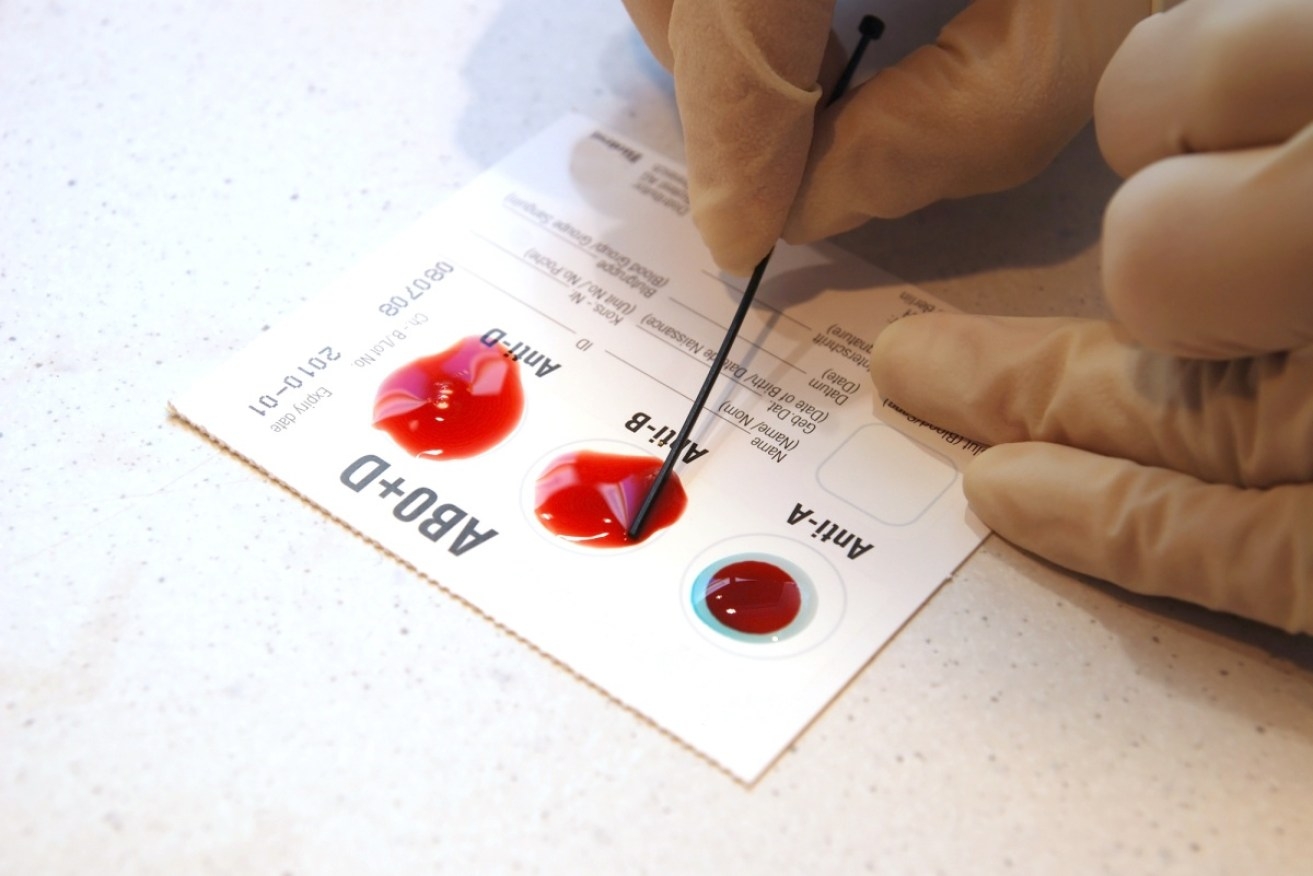
Preparing for a visa application involves several important steps, and completing the required medical examination is often one of them. For many applicants, the Visa Blood Test Dubai raises questions about which diseases are screened, whether fasting is necessary, how long results take, and what happens if a report shows an abnormal finding.
Understanding the process before your appointment can make the experience less stressful and help you avoid unnecessary delays. Although immigration medical requirements vary between countries, visa categories, and individual circumstances, blood testing is commonly used to assess specific health conditions and meet public health screening requirements.
This frequently asked questions guide provides clear answers to the most common concerns about visa blood tests. Whether you are applying for a work visa, student visa, family visa, or permanent residency, these explanations can help you understand what to expect and how to prepare.
Understanding the Basics of a Visa Blood Test:
1. What Is a Visa Blood Test?
A visa blood test is a laboratory investigation performed as part of certain immigration medical examinations. It involves collecting a blood sample to check for selected infections, medical conditions, or other health indicators required by the destination country's immigration authorities.
The purpose is to help determine whether an applicant meets the medical requirements associated with a particular visa category.
Depending on the immigration program, the medical examination may also include a physical assessment, urine testing, a chest X-ray, or additional laboratory investigations.
2. Why Do Immigration Authorities Require Blood Testing?
Immigration medical screening helps authorities assess specific public health concerns and identify medical conditions that may require further evaluation.
These requirements are generally established according to national health policies and immigration regulations.
A visa blood test may help:
-
Screen for selected infectious diseases.
-
Identify certain medical conditions when required.
-
Support a physician's overall medical assessment.
-
Meet the health documentation requirements of a visa program.
-
Determine whether further medical investigation is necessary.
It is important to remember that a visa medical examination is not necessarily a complete health check. It focuses on the tests specified by the relevant immigration authority.
Questions About Tests and Medical Screening:
3. Which Diseases Can a Visa Blood Test Detect?
The exact screening panel depends on the destination country and visa type. Some immigration medical programs include tests for:
-
HIV: Screening for evidence of human immunodeficiency virus infection.
-
Hepatitis B: Testing for markers associated with hepatitis B infection.
-
Hepatitis C: Screening for exposure to hepatitis C, with additional testing when necessary.
-
Syphilis: Testing for evidence of infection caused by Treponema pallidum.
Not every applicant undergoes all these tests. Some countries require particular infectious disease screening only for specific visa categories or circumstances.
4. Does Every Visa Applicant Need a Blood Test?
No. Medical examination requirements are not identical for every visa applicant.
Some immigration programs require blood testing for particular applicants, while others may request only selected medical assessments. Requirements can depend on:
-
The destination country.
-
The type and duration of the visa.
-
The applicant's age.
-
The applicant's medical history.
-
The purpose of travel.
-
Specific immigration health regulations.
Always check the official immigration instructions rather than assuming that another applicant's medical requirements will be the same as yours.
5. Is Tuberculosis Checked Through a Visa Blood Test?
Not necessarily. Tuberculosis (TB) screening often involves procedures other than a standard blood test.
Depending on the immigration program, assessment may include a chest X-ray, medical history, symptom evaluation, sputum testing, or a tuberculosis blood test such as an interferon-gamma release assay (IGRA).
A chest X-ray is commonly used in certain immigration medical programs, but the required procedure depends on the destination country's guidelines and the applicant's circumstances.
6. Does a Visa Blood Test Include a Complete Blood Count?
A complete blood count (CBC) may be included in some medical examination packages, but it is not a universal requirement for every visa applicant.
A CBC measures different components of the blood, including red blood cells, white blood cells, hemoglobin, and platelets. It provides general information about blood health but does not independently screen for every infectious disease.
Other additional tests, such as blood glucose, liver function, or kidney function tests, may also be requested when specified by the medical protocol.
Questions About Preparation Before Your Appointment
7. Do I Need to Fast Before a Visa Blood Test?
In most cases, fasting is not required for common infectious disease screening tests, including many HIV, hepatitis, and syphilis tests.
However, fasting may be necessary if your medical examination includes fasting blood glucose or another test that requires specific preparation.
Before your appointment:
-
Ask the medical center whether fasting is necessary.
-
Follow the instructions provided by the authorized clinic.
-
Drink water unless you are told otherwise.
-
Inform the physician about prescribed medications.
-
Do not stop taking medication without medical advice.
Following the correct preparation instructions helps prevent unnecessary repeat testing.
8. What Documents Should I Bring to the Medical Examination?
The documents required vary by immigration program and medical center. Applicants are commonly asked to bring:
-
A valid passport or accepted identity document.
-
Visa application details or medical examination instructions.
-
Appointment confirmation.
-
Previous medical reports, if relevant.
-
Prescription or treatment records when requested.
-
Any additional forms specified by the authorized clinic.
Contact the medical center before your appointment to confirm its document requirements.
9. Can I Take My Regular Medication Before the Test?
In general, applicants should continue prescribed medication unless their treating healthcare professional advises otherwise.
Some medicines may be relevant when interpreting particular laboratory results, so it is important to provide accurate information about your treatment.
If you are unsure whether a medicine affects your test, discuss it with the physician before the sample is collected.
Questions About the Testing Process and Results:
10. How Is a Visa Blood Test Performed?
The procedure is usually straightforward.
First, the medical center verifies your identity and confirms the required investigations. A trained healthcare professional then collects a blood sample from a vein, usually in your arm.
The sample is labeled and sent to the laboratory for analysis. Once the tests are completed, the authorized physician reviews the findings and follows the immigration authority's reporting procedure.
The appointment itself may be relatively short, although the complete medical examination can take longer if additional assessments are required.
11. How Long Does It Take to Receive Visa Blood Test Results?
There is no single turnaround time for every visa blood test.
Results may be available within a few working days for some routine investigations, while other tests can take longer. Confirmatory testing, specialist review, or laboratory workload may extend the process.
Your authorized medical center can provide the most accurate estimate based on the tests included in your examination.
12. What Does a Normal Visa Blood Test Result Mean?
A normal result generally means that the tested markers fall within the laboratory's expected interpretation or reference criteria.
However, a normal result does not necessarily rule out every medical condition. The accuracy of a test depends on the condition being investigated, the testing method, and the timing of sample collection.
The physician considers the results alongside other medical findings and the applicable immigration requirements.
13. What Happens If My Visa Blood Test Is Abnormal?
An abnormal result does not automatically mean that you have a confirmed disease or that your visa will be refused.
The medical center may recommend:
-
A repeat blood test.
-
Confirmatory laboratory testing.
-
A consultation with a physician or specialist.
-
Additional medical documentation.
-
Treatment or follow-up when clinically appropriate.
For example, a reactive infectious disease screening test may need confirmation through a different laboratory method before a diagnosis can be established.
The immigration outcome depends on the destination country's medical admissibility rules, not simply on whether an initial screening result is abnormal.
14. What Does an Inconclusive Blood Test Result Mean?
An inconclusive result means the laboratory could not confidently classify the finding as positive or negative.
Possible reasons include borderline test reactions, sample quality problems, technical issues, or testing during an infectious disease window period.
The physician may recommend a fresh sample, repeat screening, or a different confirmatory test.
An inconclusive result is not a confirmed diagnosis. Follow the authorized clinic's instructions to clarify the finding.
Questions About Visa Approval and Medical Eligibility:
15. Can a Blood Test Result Affect My Visa Approval?
Yes, medical findings can affect an immigration application when they relate to the health requirements of the destination country.
However, the consequences vary significantly. Some conditions may require additional assessment, treatment, or medical monitoring, while others may have different implications under the relevant immigration rules.
A positive or abnormal result should not be interpreted as an automatic visa refusal.
Only the relevant immigration authority can make the final decision about medical eligibility.
16. Can I Repeat My Visa Blood Test?
Yes, repeat testing may be recommended when the initial sample is unsuitable, the result is unclear, or the physician needs additional information.
However, applicants should not repeat tests independently without checking the immigration medical procedure.
Some countries require all immigration-related testing to be completed through designated panel physicians or approved medical facilities. Results from an outside laboratory may not be accepted.
17. Can I Complete My Visa Medical Test at Any Laboratory?
Not always. Many immigration programs require applicants to attend an approved medical center or an authorized panel physician.
These facilities follow the relevant examination protocols and reporting procedures.
Before booking an appointment, check the official immigration website to confirm which medical providers are authorized to perform your examination.
A Quick Comparison of Common Visa Blood Test Questions:
| Applicant Concern | General Answer |
|---|---|
| Is blood testing required for every visa? | No, requirements vary. |
| Is HIV screening always included? | No, it depends on the immigration program. |
| Is fasting necessary? | Usually not for common infectious disease screening. |
| Is a CBC always required? | No, it depends on the medical protocol. |
| Does an abnormal result mean visa rejection? | No, further assessment may be required. |
| Can an inconclusive result be clarified? | Yes, through appropriate follow-up testing. |
| Can I use any private laboratory? | Only if accepted by the immigration authority. |
Five Practical Tips for a Smooth Visa Medical Examination:
Before completing your immigration medical assessment, keep these five recommendations in mind:
Verify the official requirements: Check the destination country's immigration website for the latest medical examination instructions.
Choose an authorized provider: Use a designated panel physician or approved medical center whenever required.
Share accurate medical information: Tell the physician about existing conditions, previous infections, and current treatment.
Follow preparation instructions: Confirm whether fasting or other preparation is necessary for your specific tests.
Respond quickly to follow-up requests: If additional testing is required, arrange it promptly to avoid unnecessary delays.
Final Thoughts:
A visa blood Lab tests is an important part of certain immigration medical examinations, but the exact requirements depend on the destination country, visa category, and applicant's circumstances. Understanding which tests may be performed, how to prepare, and what different results mean can make the process much easier.
Remember that a visa blood test is not the same as a complete medical diagnosis. Abnormal or inconclusive findings may require additional laboratory investigations, and they do not automatically result in visa rejection.
For reliable guidance, consult an authorized medical center and follow the official immigration health instructions. Preparing properly, providing accurate medical information, and completing any recommended follow-up tests can help you move through the medical examination with greater confidence.

 English
 Arabic
 French
 Spanish
 Portuguese
 Turkish
 Dutch
 Italiano
 Russian
 Romaian
 Portuguese (Brazil)
 Greek
