


Transform Motorcycle Lighting Design with Advanced MLA Projection Technology
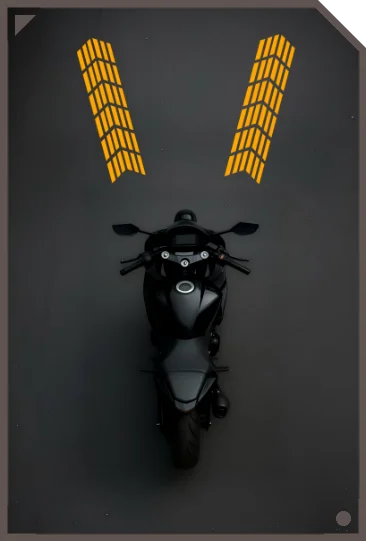
Motorcycle lighting has evolved significantly as manufacturers and riders seek solutions that combine visibility, reliability, and contemporary design. Modern projection systems are introducing new possibilities for motorcycle headlight development, offering carefully engineered optical arrangements and distinctive visual effects. Motorcycle MLA Projection Lighting represents an area of lighting innovation that brings optical technology into the motorcycle industry, supporting the demand for compact and sophisticated lighting solutions.
Lighting is one of the most important components of motorcycle design. It helps riders see the road, improves the motorcycle's visibility to others, and contributes to the vehicle's overall appearance. As expectations increase, manufacturers are exploring advanced optical systems that can deliver practical illumination while complementing modern motorcycle styling.
What Is MLA Projection Lighting?
MLA projection lighting uses specialized optical design principles to manage and direct light. MLA technology can involve a microlens array structure, in which multiple small optical elements work together to influence light distribution. The precise arrangement and specifications determine the resulting optical characteristics.
In motorcycle applications, compact optical components are especially valuable because lighting assemblies must fit within limited spaces. Engineers need to consider optical performance, housing dimensions, thermal management, electrical compatibility, and mechanical durability when developing these systems.
Projection-based lighting also offers opportunities for distinctive headlight designs. By combining optical elements with carefully designed housings, manufacturers can explore lighting assemblies that support both functional requirements and modern aesthetics.
Why Advanced Projection Lighting Matters for Motorcycles
Motorcycles operate in different environments, from busy urban streets to open highways and poorly illuminated roads. Appropriate lighting helps riders identify road conditions and makes their vehicles easier for other road users to notice.
Advanced projection technology can support controlled light distribution when properly engineered for its intended application. A suitable optical arrangement can help create a defined beam pattern, while appropriate brightness and alignment contribute to useful road illumination.
Beyond functionality, modern projection systems can also give motorcycles a more refined appearance. Lighting design has become an important part of motorcycle identity, with manufacturers using distinctive headlight arrangements to differentiate models and create recognizable styling.
Important Features to Consider in Motorcycle MLA Lighting
Selecting a motorcycle projection lighting system requires more than looking at its appearance. Buyers and manufacturers should evaluate several technical considerations before choosing a suitable solution.
Optical performance: Lens arrangement, beam distribution, and light output influence how effectively a lighting system illuminates the road. Product specifications should be reviewed to understand its intended performance.
Compact construction: Motorcycle lighting assemblies have limited installation space. A compact optical design can help manufacturers integrate lighting components into different front-end configurations.
Thermal management: Lighting components generate heat during operation. Appropriate thermal design is important for maintaining reliable performance and protecting internal components.
Mechanical durability: Motorcycles experience vibration, changing temperatures, dust, and moisture. Housing construction and suitable protection are important considerations for long-term use.
Compatibility and installation: Buyers should confirm mounting dimensions, electrical requirements, and compatibility with the motorcycle before purchasing or installing a replacement lighting unit.
The Role of Precision Optics in Lighting Development
Optical engineering plays a central role in the development of modern projection lighting. Lenses and other optical elements influence how light is collected, redirected, focused, and distributed. Even small differences in optical geometry can affect the final beam characteristics.
Manufacturers therefore need precise design and production processes to maintain consistency across lighting components. Material selection, optical surface quality, alignment, and assembly accuracy all contribute to the performance of a finished product.
As optical manufacturing technology continues to improve, lighting developers have more opportunities to explore compact and sophisticated solutions. MLA-based approaches are particularly interesting because they offer additional design possibilities through the arrangement of multiple optical elements.
Applications Across Motorcycle Design and Manufacturing
Advanced projection lighting can be relevant to different areas of the motorcycle industry. Motorcycle manufacturers may explore these systems when developing new vehicle models, while lighting suppliers can consider them for specialized lighting assemblies and product development projects.
Custom motorcycle builders may also be interested in modern projection designs when planning visual upgrades. However, any modification should be checked for proper fitment, electrical suitability, beam alignment, and compliance with local road regulations.
For manufacturers, evaluating the complete lighting assembly is essential. A successful solution must balance optical characteristics with practical installation, environmental protection, and the requirements of the intended motorcycle model.
Exploring Motorcycle Projection Lighting from ARV Optical
Finding a suitable optical technology partner is an important part of developing reliable lighting products. Manufacturers and buyers should review product specifications, construction details, and application requirements before making a decision.
ARV Optical offers optical technology solutions for specialized applications, including motorcycle-related projection lighting. Its product range provides an opportunity for interested businesses and industry professionals to explore options for motorcycle lighting projects and learn more about available designs.
Conclusion
Motorcycle lighting continues to develop through improvements in optical engineering, compact component design, and projection technology. MLA-based optical approaches provide additional possibilities for creating distinctive lighting systems while addressing important design considerations such as beam distribution, installation space, and thermal management. By evaluating technical specifications and application compatibility, manufacturers and buyers can make informed decisions when exploring advanced lighting products. Motorcycle MLA Projection Lighting is worth exploring for those interested in modern optical solutions and the future of motorcycle lighting design.

 English
 French
 Spanish
 Portuguese
 Deutsch
 Turkish
 Dutch
 Italiano
 Russian
 Romaian
 Portuguese (Brazil)
 Greek
