


Exhibition Catalogue: Preserve the Experience of a Museum Exhibition
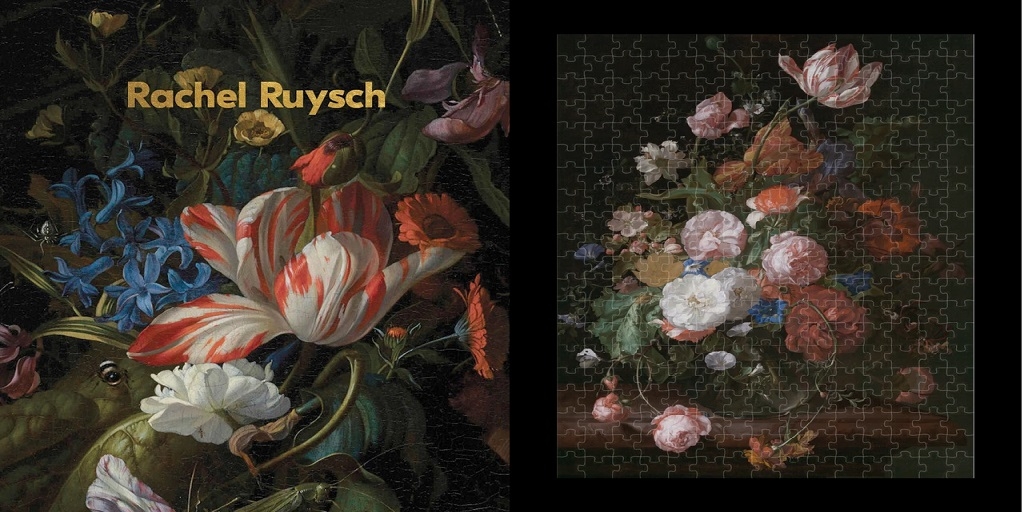
An Exhibition Catalogue does more than document a museum show. It captures the ideas, artwork, research, and creative decisions behind an exhibition, giving them a life that extends far beyond the gallery walls.
Long after an exhibition closes and its artwork returns to storage, travels elsewhere, or enters a different collection, its catalogue remains as a lasting record. For experts, historians, and art lovers, these publications offer something valuable: a way to revisit an exhibition, study its contents, and understand the artistic conversations it brought together.
Preserving Distinct Cultural Events
One reason exhibition catalogues matter is that they preserve the exhibition as a distinct cultural event. Every exhibition involves choices. Curators decide which works to display, how to arrange them, what themes to explore, and how visitors should encounter the collection.
A catalogue can record many of these decisions through photographs, curatorial notes, essays, and background information. It gives readers a sense of how the exhibition was conceived, even when they never had the opportunity to see it in person.
For art historians and researchers, these publications can become important reference materials. They often contain original essays, artist interviews, archival photographs, timelines, and commentary that may be difficult to find elsewhere.
Such information helps specialists examine an artist's development, understand the context surrounding a particular body of work, or compare different interpretations of the same subject. A catalogue published decades ago may even reveal how an artist's work was understood at a particular point in their career.
Exhibition Catalogues and Cultural Conversations
Museums also use catalogues to preserve conversations that might otherwise disappear when an exhibition ends. An exhibition exploring contemporary art, for example, may bring together artists whose work responds to similar social or cultural questions.
The accompanying publication can explain those connections in greater detail than wall labels allow. Readers can take their time with the arguments, return to particular passages, and consider the relationships between individual works.
For art lovers, the appeal is often more personal. Anyone who has visited a memorable exhibition knows that the experience can stay with them long after leaving the museum. A catalogue provides a way to revisit that experience. Turning its pages can bring back particular artworks, unexpected discoveries, and even memories of the gallery itself.
For someone who missed the exhibition entirely, the publication offers another way to engage with the artist and the work, although printed reproductions can never fully replace seeing an original piece.
A Resource for Artistic Inspiration and Historical Reference
These books can also become valuable introductions to artists. Some go well beyond documenting the works displayed, including pieces from other periods, detailed biographies, and broader discussions of an artist's practice. In this sense, they serve two purposes: preserving a particular exhibition while remaining useful as independent art books for years afterward.
There is also an important historical dimension. Museums and galleries change, exhibitions are dismantled, and some artworks become difficult to access. Catalogues provide a permanent printed record that future researchers can consult.
They help establish what was displayed, how it was presented, and what ideas shaped its interpretation at the time. For smaller galleries in particular, publishing a catalogue can ensure that an exhibition receives lasting attention beyond its relatively short public run.
The value of an Exhibition Catalogue lies in its ability to keep an exhibition relevant after its doors have closed. It connects the work of artists and curators with the curiosity of researchers, historians, collectors, and everyday visitors. More than a souvenir, it becomes a lasting piece of the exhibition itself, preserving its stories, images, and ideas for anyone who wants to experience them again.
For more information About Monet Prints and Monet Canvas Art please visit: Museum of Fine Arts – Boston.

 English
 Arabic
 French
 Spanish
 Portuguese
 Deutsch
 Turkish
 Dutch
 Italiano
 Russian
 Portuguese (Brazil)
 Greek
