


Understanding Low-Level Laser Therapy for Hair Growth
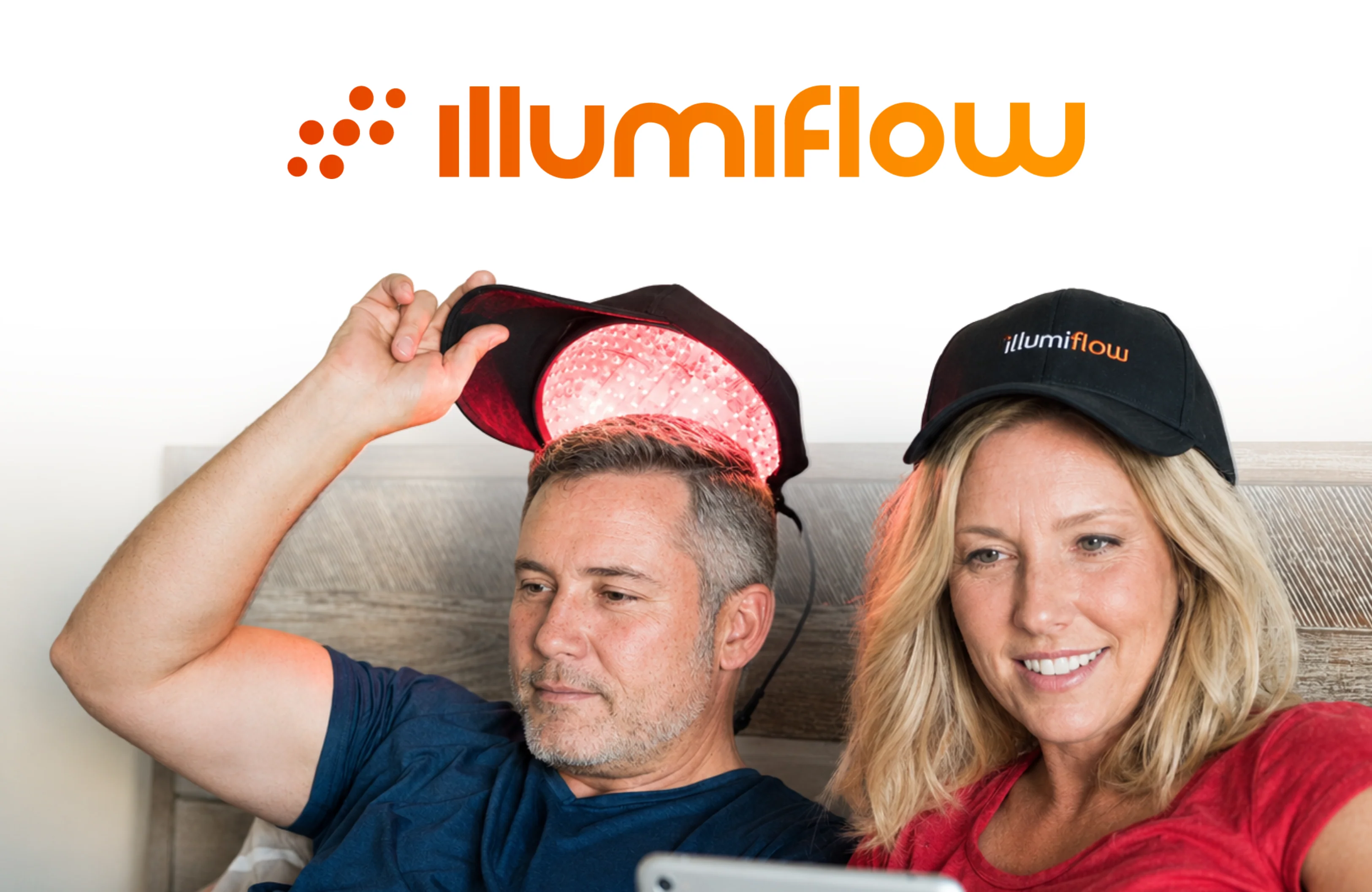
Hair thinning is a concern that encourages many people to research different approaches to maintaining hair health. Among the technologies receiving attention in recent years is low-level laser therapy, often abbreviated as LLLT. This approach uses specific light wavelengths and has been studied for its potential role in supporting hair growth in certain individuals.
Although laser technology may sound complicated, understanding its basic principles can help consumers make more informed decisions. Learning about light wavelengths, hair follicles, scientific research, and device specifications is particularly useful when comparing modern hair-care products.
What Is Low-Level Laser Therapy?
Low-level laser therapy is a light-based approach that uses relatively low-intensity laser light rather than the high-energy lasers associated with surgical procedures.
In hair-care applications, these devices are designed to deliver specific wavelengths of light to areas of the scalp. The technology is commonly associated with photobiomodulation, a research area examining how light interacts with biological tissues.
Researchers have investigated whether certain light exposures may influence cellular activity and processes associated with hair follicles. However, the mechanisms are still being studied, and research findings should be interpreted carefully.
LLLT devices are available in different formats, including wearable caps, combs, and other specialized products. Their specifications and treatment instructions can differ significantly.
Understanding How Light Interacts With Hair Follicles
Hair follicles are small structures within the skin responsible for producing individual hair strands. They operate through a natural growth cycle consisting of several stages.
The anagen phase represents active hair growth. The catagen phase is a short transitional period, while the telogen phase is associated with resting and eventual shedding.
Research into low-level laser therapy examines whether certain light exposures can influence biological processes within tissues surrounding these follicles.
Photobiomodulation studies have explored interactions involving cellular energy processes and other biological responses. These findings have encouraged additional research into potential applications for hair-related conditions.
However, the exact response can vary, and not every person experiencing hair thinning will be an appropriate candidate for light-based treatments.
The Role of Wavelengths in Laser Therapy
Wavelength is one of the most important technical characteristics of a light therapy device. It describes the distance between repeating points of a light wave and is commonly measured in nanometers.
Different wavelengths interact with biological tissues in different ways. Red light and near-infrared light are frequently discussed in photobiomodulation research.
Consumers comparing laser hair devices should examine the wavelength information provided by manufacturers. It is also useful to understand whether a product uses one wavelength or combines multiple wavelengths.
A device with additional technical features is not automatically more effective. Wavelength specifications should be evaluated alongside the available scientific evidence, intended application, and product documentation.
Types of Low-Level Laser Therapy Devices
Several types of devices are available for people researching light-based hair-care technology.
Laser caps: Wearable caps are designed to cover areas of the scalp. They offer a hands-free format and are generally intended to be used according to a specified treatment schedule.
Laser combs: These handheld products allow users to move the device across different areas of the scalp. Their design requires more direct interaction during a session.
Laser helmets: These devices use a helmet-style structure to position light sources around the head. Design, coverage, and specifications vary between products.
When comparing these categories, consumers should consider comfort, ease of use, device coverage, and manufacturer instructions rather than relying on appearance alone.
What Does Scientific Research Say?
Low-level laser therapy has been examined in clinical research involving certain forms of hair loss, particularly androgenetic alopecia.
Some studies have reported improvements in hair-related measurements among participants using particular devices. However, research can differ in study design, sample size, treatment duration, and device specifications.
These differences make it important to avoid treating every published finding as proof that all laser products work equally well.
Consumers should look for well-designed studies, transparent methodology, and relevant evidence concerning the specific technology they are considering. A healthcare professional can also help determine whether a particular approach is suitable for an individual's circumstances.
Safety and Responsible Device Selection
Safety should be a central consideration when researching any light-based personal-care product.
Consumers should review the manufacturer's instructions, recommended treatment duration, warnings, and eye-safety information. They should also consider whether a device has appropriate regulatory documentation for its intended use.
People with scalp conditions or unexplained hair loss may benefit from professional advice before starting a new treatment.
It is also important to distinguish between temporary shedding, hereditary hair thinning, and hair loss associated with medical conditions. Different causes may require different approaches.
Building Realistic Expectations
Hair growth is a gradual biological process. Therefore, people researching hair-care technologies should understand that meaningful evaluation may require time and consistent use according to the manufacturer's instructions.
Photographs, professional assessments, and other appropriate measurements may help individuals monitor changes more objectively.
A balanced hair-care routine can also include gentle cleansing, suitable conditioning, and attention to scalp health.
Consumers researching different products may come across Illumiflow Coupon Code while comparing available laser hair-care devices. Nevertheless, product specifications, suitability, safety, and reliable information should guide purchasing decisions.
Conclusion
Low-level laser therapy is an interesting development in modern hair-care technology. Its use of specific light wavelengths and its connection to photobiomodulation have attracted scientific attention and consumer interest.
Understanding the technology requires more than reading promotional descriptions. Consumers should learn about hair growth cycles, wavelength specifications, clinical research, device safety, and realistic expectations.
With appropriate information and professional guidance, people can make more thoughtful decisions when exploring available hair-care approaches. Those researching purchasing options may also encounter Illumiflow Coupon Code, but an informed product comparison should always come first.

 English
 Arabic
 French
 Spanish
 Deutsch
 Turkish
 Dutch
 Italiano
 Russian
 Romaian
 Portuguese (Brazil)
 Greek
