


Floor Scrubber Machines for Warehouses: A Complete Guide to Cleaner and Safer Industrial Floors
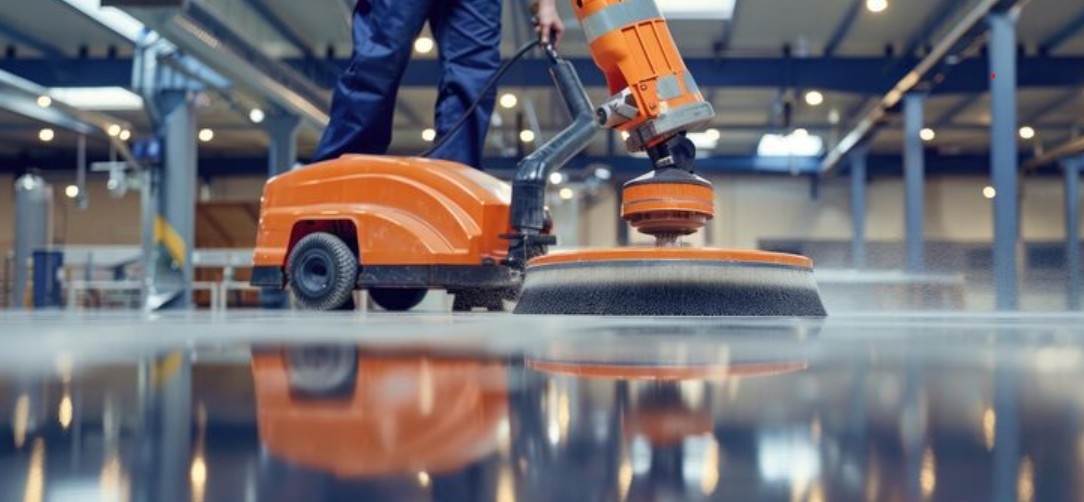
Warehouses are busy environments where cleanliness plays an important role in daily operations. From forklifts and pallet trucks to employees and delivery vehicles, constant movement brings dust, dirt, grease, and other debris onto warehouse floors.
Over time, these contaminants can affect workplace safety, damage flooring, and create an unprofessional environment. Maintaining clean floors requires more than traditional mopping and manual cleaning methods. This is where floor scrubber machines for warehouses become an essential investment.
Modern floor cleaning equipment helps businesses maintain hygienic conditions, improve operational efficiency, and reduce the time and effort required for routine maintenance. Choosing the right machine can make a noticeable difference in how effectively a warehouse manages its cleaning responsibilities.
Why Warehouse Floor Cleaning Matters
Warehouse floors experience considerably more traffic and wear than many other commercial spaces. Dust from stored materials, oil leaks from machinery, tire marks, and accidental liquid spills can quickly accumulate. Without regular cleaning, these substances may create slippery surfaces and increase the likelihood of workplace accidents.
Clean floors also contribute to better inventory management and equipment maintenance. Excessive dust can affect sensitive products, packaging materials, and certain types of machinery. A consistent cleaning routine helps minimize these issues while creating a more organized working environment.
For facilities handling large quantities of goods, maintaining clean floors is not simply about appearance. It is an important part of workplace safety and operational management.
How Floor Scrubber Machines Improve Warehouse Cleaning
Automatic floor scrubbers are designed to clean hard surfaces using water, cleaning solutions, and rotating brushes or pads. Unlike conventional mopping, these machines actively remove stubborn dirt and collect dirty water through an integrated vacuum system.
This process provides several practical advantages.
First, automatic floor scrubbers cover larger areas in less time, making them suitable for warehouses with extensive floor space. Second, their cleaning systems deliver more consistent results across frequently used areas. Third, built in water recovery systems help leave floors considerably drier after cleaning, reducing the inconvenience associated with wet surfaces.
These benefits make industrial floor scrubbers a valuable solution for facilities that require dependable cleaning throughout the working week.
Different Types of Floor Scrubber Machines for Warehouses
Selecting suitable equipment depends on warehouse size, floor conditions, and daily cleaning requirements. Understanding the available options helps businesses make informed purchasing decisions.
Walk Behind Floor Scrubbers
Walk behind floor scrubbers are practical for small and medium sized warehouses, storage rooms, and facilities with narrow aisles. Operators guide the machine manually while its brushes clean the floor and its vacuum system collects wastewater.
These machines are generally easier to maneuver in restricted spaces and can provide effective cleaning without requiring a large equipment investment.
Ride On Floor Scrubbers
Large warehouses often benefit from ride on floor scrubbers. These machines allow operators to sit while controlling the equipment, making it easier to cover extensive floor areas.
Their larger cleaning paths and greater tank capacities can reduce interruptions for refilling and emptying. They are particularly useful in distribution centers, manufacturing facilities, and logistics warehouses where cleaning large sections of flooring is necessary.
Cylindrical and Disc Floor Scrubbers
The brush design also influences cleaning performance.
Disc floor scrubbers use rotating circular brushes or pads and work particularly well on relatively smooth surfaces. Cylindrical floor scrubbers use roller shaped brushes that can help remove heavier dirt and collect certain types of loose debris during cleaning.
The right option depends on the flooring material and the kind of contamination commonly found in the facility.
Important Factors to Consider Before Buying
Purchasing a warehouse floor scrubber requires careful consideration. A machine that works well in one facility may not deliver the same results in another.
Warehouse Size: Consider the total cleaning area and the time available for maintenance. Larger facilities generally require machines with wider cleaning paths and greater productivity.
Flooring Material: Concrete, epoxy coated floors, and other industrial surfaces may require different brush types and cleaning pads. Always check equipment compatibility before purchasing.
Battery Performance: Battery operated scrubbers offer flexibility without requiring power cables. Check battery capacity, charging time, and expected operating duration to ensure the machine can complete scheduled cleaning tasks.
Water Tank Capacity: Larger solution and recovery tanks can reduce interruptions during cleaning, especially in expansive facilities.
Maintenance and Parts Availability: Regular maintenance helps protect equipment performance. Consider replacement brush availability, batteries, squeegees, and access to professional servicing when evaluating different machines.
The Benefits of Investing in Quality Cleaning Equipment
A suitable industrial floor scrubber can offer long term operational benefits. By reducing manual cleaning requirements, businesses can use their maintenance teams more efficiently. Consistent floor cleaning also helps preserve flooring materials by preventing dirt and grime from accumulating over extended periods.
Another important advantage is improved workplace safety. Removing oil, dust, and liquid residue helps reduce potential slipping hazards. Although cleaning equipment cannot eliminate every workplace risk, it supports a safer and more organized environment.
Businesses can also consider professionally refurbished floor scrubbers when working with limited budgets. Well inspected and properly serviced equipment can provide a practical alternative to purchasing new machinery. Before making a decision, evaluate the machine's condition, maintenance history, warranty coverage, and availability of replacement parts.
Maintaining Warehouse Floor Scrubbers for Long Term Performance
Even high quality cleaning equipment requires regular care. Operators should empty and rinse recovery tanks after each cleaning session to prevent unpleasant odors and residue buildup. Brushes and cleaning pads should be inspected frequently for excessive wear.
Squeegee blades must also remain clean and properly positioned to ensure effective water recovery. Battery operated machines require appropriate charging practices and periodic battery inspections.
Following the manufacturer's maintenance recommendations can help reduce unexpected breakdowns and extend equipment life. Staff training is equally important. Operators should understand the machine's controls, cleaning procedures, and safety requirements before using the equipment in active warehouse areas.
Conclusion
Keeping warehouse floors clean is essential for maintaining a safe, organized, and productive workplace. Floor scrubber machines for warehouses provide an efficient way to remove stubborn dirt, manage everyday contamination, and maintain large industrial surfaces with less manual effort.
Whether a business operates a small storage facility or a large distribution center, selecting equipment that matches its cleaning requirements is important. By considering machine type, floor conditions, battery capacity, maintenance needs, and long term costs, warehouse managers can make a more informed investment and establish a reliable floor cleaning routine.
Frequently Asked Questions
1. What is the best floor scrubber machine for a warehouse?
The best machine depends on warehouse size and cleaning requirements. Walk behind scrubbers suit smaller facilities, while ride on models are generally more practical for large industrial spaces.
2. How often should warehouse floors be cleaned?
High traffic warehouse floors may require daily cleaning. Areas with lower activity can follow a less frequent schedule, depending on dust accumulation, spills, and operational requirements.
3. Are ride on floor scrubbers worth the investment?
Yes. Ride on scrubbers can be worthwhile for large facilities because they cover extensive floor areas efficiently and reduce operator fatigue during longer cleaning sessions.
4. Can refurbished floor scrubbers be used in warehouses?
Yes. Professionally inspected and refurbished machines can be suitable for warehouse cleaning. Buyers should evaluate equipment condition, service history, replacement part availability, and warranty coverage before purchasing.

 English
 Arabic
 French
 Spanish
 Portuguese
 Turkish
 Dutch
 Italiano
 Russian
 Romaian
 Portuguese (Brazil)
 Greek
