


Commercial Roof Repair Denver CO: Common Roofing Problems, Repair Methods, and Maintenance Practices
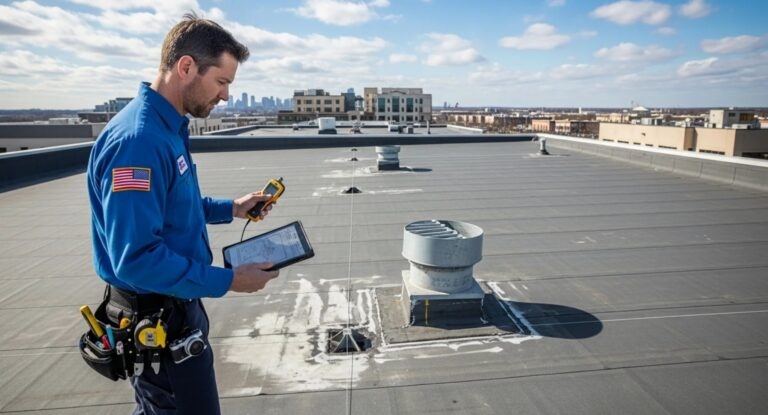
Commercial buildings in Denver require durable roofing systems that can withstand changing weather conditions throughout the year. From intense summer sunlight and temperature fluctuations to winter snowfall, heavy rainfall, and occasional hailstorms, local roofs experience environmental stress that can gradually affect their performance. Regular inspections and timely repairs are essential for maintaining roof integrity and protecting commercial properties.
Commercial roof repair Denver CO is an important consideration for business owners, property managers, and facility maintenance teams responsible for warehouses, office buildings, retail centers, industrial facilities, and other commercial structures. Commercial roofing systems often cover large surface areas and include specialized materials that require specific repair techniques.
Understanding common roofing problems, available repair methods, inspection procedures, and preventive maintenance practices helps commercial property owners make informed decisions about maintaining their roofing systems.
Understanding Commercial Roof Repair in Denver, CO
Commercial roof repair involves identifying and correcting damage affecting the roofing systems of business and industrial properties. Unlike many residential roofs, commercial roofs frequently feature flat or low-slope designs that require specialized drainage and waterproofing arrangements.
These systems may use materials such as TPO, EPDM, modified bitumen, built-up roofing, metal panels, or spray polyurethane foam.
Each roofing material has different installation requirements, performance characteristics, and maintenance considerations. Therefore, repair methods must be selected according to the existing roof assembly and the nature of the damage.
In Denver, roofing repairs also need to account for local weather conditions, including high UV exposure, snow accumulation, temperature changes, and hail.
Common Commercial Roofing Problems in Denver
Commercial roofs can develop several problems because of environmental exposure, aging materials, installation defects, and inadequate maintenance.
1. Hail Damage
Hailstorms are a significant concern for commercial properties throughout Colorado. Hailstones can affect roofing membranes, metal panels, protective coatings, flashing, and rooftop equipment.
Common signs of hail-related roofing damage include:
- Punctures or tears in roofing membranes.
- Dents in metal roofing panels.
- Damaged protective coatings.
- Cracked or fractured roofing materials.
- Damage around rooftop vents and equipment.
Some hail-related defects may not immediately cause water infiltration. However, compromised materials can become more vulnerable to moisture penetration over time.
A professional inspection following a significant hailstorm helps determine the extent of damage and whether repairs are necessary.
2. Roof Leaks and Water Infiltration
Water infiltration is one of the most common problems affecting commercial roofing systems.
Leaks may develop because of damaged membranes, deteriorated flashing, loose fasteners, open seams, or compromised roof penetrations.
Commercial buildings may show warning signs such as ceiling stains, damp insulation, water accumulation, and deterioration around interior walls.
Because water can travel through multiple roofing layers, the visible location of a leak may differ from its actual entry point.
Identifying the original source is essential for completing effective repairs.
3. Ponding Water
Flat and low-slope commercial roofs depend on properly designed drainage systems.
When water remains on the roof surface after rainfall or snowmelt, it is generally referred to as ponding water.
Common causes include blocked drains, inadequate roof slope, structural deflection, and drainage system defects.
Prolonged ponding can contribute to membrane deterioration, increased structural loading, and leakage.
Repair requirements may include clearing drains, correcting localized drainage problems, restoring damaged membranes, or addressing underlying structural concerns.
4. Damaged Roof Seams
Many commercial roofing systems contain seams that connect individual membrane sections.
Over time, these seams may weaken because of environmental exposure, installation problems, physical damage, or material deterioration.
Damaged seams can create openings that allow water to enter the roofing assembly.
Repair techniques depend on the membrane type and may involve compatible patching materials, specialized adhesives, or heat-welded connections.
5. Flashing and Penetration Damage
Commercial roofs often contain multiple penetrations for ventilation equipment, plumbing systems, HVAC units, skylights, and other building components.
Flashing protects these transition areas from water infiltration.
Cracked sealants, loose flashing, damaged metal sections, and deteriorated connections can create potential leakage points.
Regular inspections help identify these issues before they affect larger sections of the roofing system.
Types of Commercial Roof Repair Services
Commercial roofing systems require different repair approaches depending on their materials and structural configurations.
1. TPO Roof Repair
Thermoplastic Polyolefin (TPO) is a single-ply roofing membrane commonly used on commercial buildings.
Common problems include punctures, damaged seams, membrane shrinkage, and flashing deterioration.
Repairs may involve cleaning affected areas, applying compatible patches, and using specialized heat-welding techniques to restore membrane connections.
2. EPDM Roof Repair
Ethylene Propylene Diene Monomer (EPDM) is a synthetic rubber membrane used in many commercial roofing applications.
Damage may include punctures, seam separation, shrinking, and deterioration around roof penetrations.
Depending on the condition of the membrane, repairs may involve compatible EPDM patches, adhesives, and flashing materials.
3. Modified Bitumen Roof Repair
Modified bitumen roofing is an asphalt-based system commonly installed on low-slope commercial buildings.
Potential problems include surface cracking, blistering, seam separation, and moisture penetration.
Repair methods may involve patching damaged areas, restoring seams, and replacing deteriorated sections.
4. Metal Commercial Roof Repair
Metal roofing systems are frequently used on warehouses, manufacturing facilities, and industrial buildings.
Common repair requirements include replacing loose fasteners, addressing corrosion, restoring panel connections, and repairing damaged flashing.
The repair method depends on the metal type, panel design, and extent of deterioration.
5. Spray Foam Roof Repair
Spray polyurethane foam roofing provides insulation and a continuous protective surface.
However, prolonged exposure, physical damage, and deteriorated protective coatings may affect its performance.
Repair work may include removing damaged foam, replacing affected sections, preparing the surface, and applying compatible protective coatings.
Benefits of Timely Commercial Roof Repairs
Regular maintenance and timely repairs offer several advantages for commercial property owners.
Protection Against Water Damage: Addressing roof leaks helps reduce moisture exposure to insulation, ceilings, electrical systems, and other building components.
Longer Roofing System Life: Correcting localized defects can help prevent additional deterioration and support the continued use of suitable roofing systems.
Reduced Maintenance Disruptions: Identifying problems early can help reduce the likelihood of extensive repairs that interrupt normal business activities.
Improved Building Performance: Maintaining insulation and waterproofing components helps preserve the intended performance of the building envelope.
Better Maintenance Planning: Routine inspections provide information that facility managers can use to plan repairs, budgets, and future roofing projects.
The Commercial Roof Inspection and Repair Process
A structured inspection helps identify the cause of roofing problems and determine the appropriate repair method.
The process generally includes the following steps:
- Initial Assessment: The roof is examined for visible damage, deterioration, and signs of moisture infiltration.
- Material Identification: The existing roofing system is identified to determine compatible repair materials and techniques.
- Drainage Inspection: Roof drains, gutters, and low-slope areas are evaluated for blockages and ponding water.
- Detailed Damage Assessment: Seams, flashing, penetrations, membranes, and protective coatings are examined.
- Repair Planning: Findings are used to establish the scope of work and determine whether localized repairs or broader restoration are necessary.
- Final Inspection: Completed repairs are evaluated for coverage, adhesion, waterproofing, and workmanship.
Factors Affecting Commercial Roof Repair Costs in Denver
The cost of commercial roofing repairs depends on several project-specific factors.
- Roof Size: Larger commercial roofs may require more materials, labor, and inspection time.
- Roofing Material: TPO, EPDM, metal, modified bitumen, and spray foam systems require different repair products and techniques.
- Damage Severity: Minor membrane defects generally require less work than extensive moisture or structural damage.
- Accessibility: Rooftop equipment, building height, and restricted access can affect labor requirements.
- Moisture Damage: Saturated insulation and deteriorated decking may require additional corrective work.
- Weather Conditions: Temperature, wind, and precipitation can influence repair scheduling and application procedures.
A detailed inspection and written estimate help property managers understand the work involved and the associated expenses.
Preventive Maintenance for Commercial Roofs
Preventive maintenance is important for maintaining commercial roofing systems in Denver.
Schedule Regular Inspections
Commercial roofs should be inspected periodically to identify damaged membranes, loose flashing, deteriorated coatings, and drainage problems.
Maintain Drainage Systems
Roof drains and gutters should remain clear of leaves, dirt, and debris to prevent unnecessary water accumulation.
Inspect After Severe Weather
Hailstorms, heavy snowfall, and strong winds can cause damage that may not be immediately visible.
Post-storm inspections help identify defects before they develop into larger problems.
Monitor Protective Coatings
For coated roofing systems, coating thickness and surface condition should be evaluated according to manufacturer recommendations.
Maintain Roofing Records
Documentation of inspections, repairs, materials, and warranties helps facility managers understand the roof's condition and plan future maintenance activities.
Conclusion
Commercial roof repair Denver CO involves identifying and addressing roofing problems associated with hailstorms, water infiltration, damaged seams, flashing deterioration, and drainage issues.
Because commercial properties use different roofing materials and structural designs, repair methods must be selected according to the specific roofing system and extent of damage.
For business owners and facility managers in Denver, regular inspections, timely repairs, and preventive maintenance are essential for preserving roofing performance. A structured approach to commercial roof care can help protect buildings, reduce unexpected maintenance disruptions, and support the long-term condition of commercial properties.

 English
 Arabic
 French
 Portuguese
 Deutsch
 Turkish
 Dutch
 Italiano
 Russian
 Romaian
 Portuguese (Brazil)
 Greek
