


What Is Buccal Fat Removal and How Does It Work?
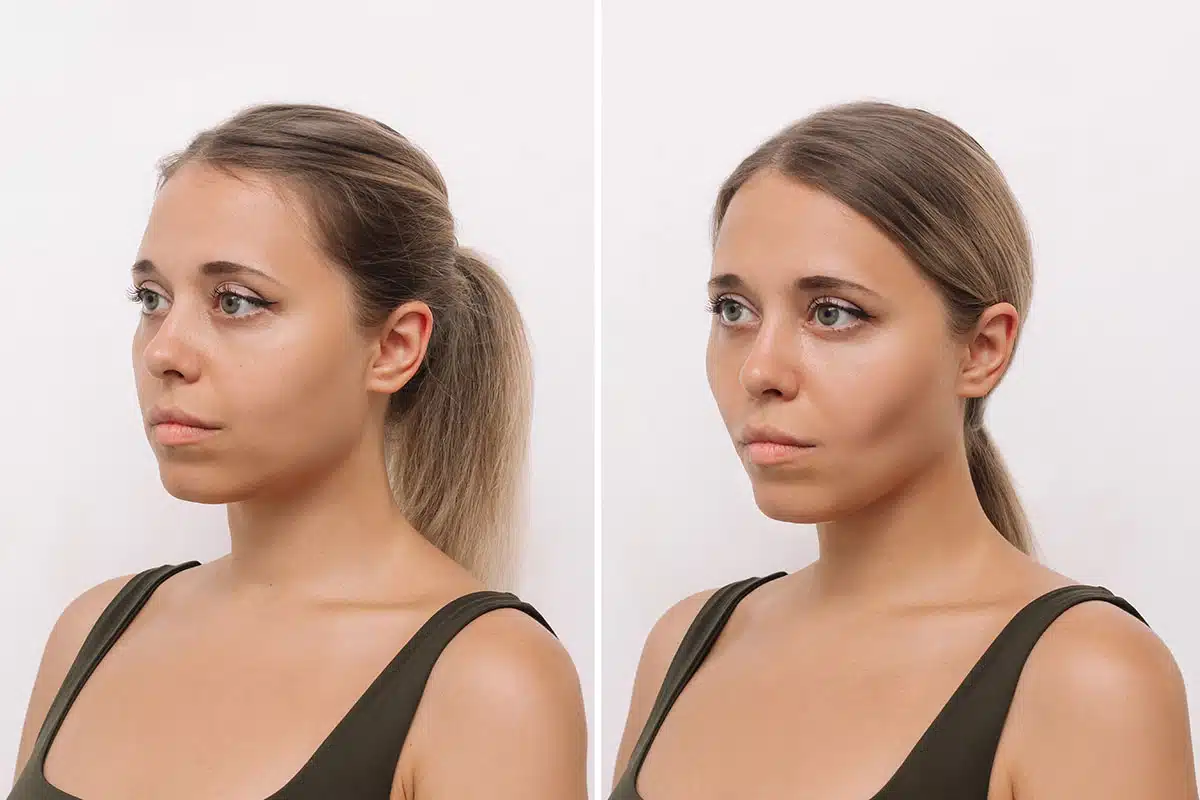
Facial appearance plays an important role in how people perceive their overall features, and naturally rounded cheeks can sometimes make the face appear fuller than desired. For individuals seeking a more sculpted facial appearance, modern aesthetic procedures offer different ways to refine facial contours. Buccal Fat Removal in Dubai is one such treatment that focuses on reducing fullness in the lower cheeks to create a more defined facial profile. By addressing a specific pocket of fat inside the cheeks, this procedure can enhance the natural structure of the face while maintaining a balanced appearance. Understanding how the treatment works, who may benefit from it, and what to expect can help individuals make informed decisions about their aesthetic goals.
What Is Buccal Fat Removal?
Buccal fat removal is a cosmetic surgical procedure designed to reduce the size of the buccal fat pads located in the lower portion of the cheeks. These natural fat compartments contribute to facial fullness and help create the rounded appearance commonly associated with fuller cheeks.
The buccal fat pads are different from the fat found directly beneath the skin. They are located deeper within the cheek area, between facial muscles. Their size and distribution vary from person to person, which explains why some individuals naturally have fuller cheeks even when their overall body weight is within a healthy range.
The primary objective of this procedure is to create a more defined appearance around the cheekbones and jawline by carefully reducing selected portions of the buccal fat pads. The goal is not to remove all cheek fat but to achieve facial contours that complement the individual's natural anatomy.
How Does Buccal Fat Removal Work?
Buccal fat removal is generally performed as an outpatient surgical procedure. It involves accessing the buccal fat pads through small incisions made inside the mouth, which means there are typically no visible external scars.
Initial Facial Assessment
The process begins with a detailed facial assessment to understand the individual's natural cheek structure, facial proportions, and aesthetic expectations. The treatment approach depends on factors such as buccal fat pad size, skin elasticity, facial symmetry, and existing cheekbone definition.
This assessment is important because not everyone with fuller cheeks is an appropriate candidate. Some individuals may have facial fullness caused by other factors, such as bone structure, superficial fat distribution, or genetics.
Preparing the Treatment Area
Once the treatment plan is established, the cheek area is prepared for the procedure. Local anaesthesia is commonly used, although the anaesthesia approach may vary depending on the surgical plan and individual circumstances.
The purpose of anaesthesia is to keep the individual comfortable during the procedure while allowing the treatment area to be accessed safely.
Making Small Incisions Inside the Mouth
The procedure typically involves creating small incisions on the inner side of the cheeks, near the upper back teeth. These openings provide access to the buccal fat pads without requiring cuts on the external facial skin.
The surgeon carefully works through the surrounding tissue to reach the targeted fat compartments while protecting nearby anatomical structures.
Removing the Appropriate Amount of Fat
Once the buccal fat pad is accessed, a carefully selected amount of fat is removed. The amount depends on the individual's facial anatomy and desired outcome.
Conservative fat removal is particularly important because excessive reduction can result in an overly hollow or aged appearance as facial volume naturally changes over time.
Closing the Incisions
After the desired amount of fat has been removed, the small internal incisions are usually closed with dissolvable sutures. Since the incisions are inside the mouth, there are generally no external surgical marks associated with the procedure.
What Facial Changes Can Buccal Fat Removal Create?
The main purpose of buccal fat removal is to refine the appearance of the lower cheeks. By reducing excess volume in this area, the procedure may create a more sculpted facial appearance.
More Defined Cheek Contours
Reducing fullness in the lower cheeks can make the natural cheekbone structure appear more noticeable. This may create a smoother visual transition between the cheeks and the lower face.
A More Sculpted Facial Profile
Some individuals prefer a less rounded facial appearance. Carefully reducing the buccal fat pads can help create a more contoured profile without changing the underlying bone structure.
Enhanced Facial Proportions
When performed appropriately, the procedure can help balance facial features by reducing excessive fullness in the lower cheek area. The objective is to complement the individual's natural proportions rather than create an identical appearance for everyone.
It is important to understand that results vary according to anatomy, healing, and the amount of fat removed.
Who Is a Suitable Candidate for Buccal Fat Removal?
Not everyone with fuller cheeks will benefit from this procedure. A proper assessment is necessary to determine whether the buccal fat pads are responsible for the appearance an individual wants to change.
Potential candidates may include:
-
Adults with naturally prominent lower cheek fullness.
-
Individuals who maintain a relatively stable body weight.
-
People with good skin elasticity and suitable facial structure.
-
Those seeking more definition in the lower cheek area.
-
Individuals with realistic expectations about surgical results.
People with naturally narrow faces, limited cheek volume, or significant facial hollowing may not be suitable candidates. Younger individuals should also consider that facial fullness can decrease naturally with age.
A qualified assessment helps establish whether removing buccal fat is appropriate or whether another approach would better address the individual's concerns.
What Happens During Recovery?
Recovery is an important part of the overall treatment experience. Since the incisions are located inside the mouth, particular attention is given to oral hygiene and following the recommended recovery instructions.
Initial Recovery Period
Mild swelling, tenderness, and bruising may occur after the procedure. Some individuals may also experience temporary difficulty chewing comfortably. These effects generally improve as the healing process progresses.
Maintaining Oral Hygiene
Keeping the mouth clean is essential because the incisions are located inside the cheeks. Individuals should follow the recommended oral hygiene routine and any instructions regarding mouth rinses or cleaning techniques.
Dietary Considerations
Soft foods may be recommended during the initial recovery period to avoid unnecessary irritation around the treated area. Gradually returning to a regular diet should depend on comfort and professional guidance.
Returning to Daily Activities
Recovery timelines vary between individuals. Some people can resume light daily activities relatively quickly, while complete healing and the reduction of swelling may take longer.
Following professional instructions and attending recommended follow-up appointments can support a smoother recovery.
Are the Results of Buccal Fat Removal Permanent?
The fat cells removed during buccal fat removal do not grow back in the same way. For this reason, the procedure is generally considered to provide long-lasting changes to cheek volume.
However, permanent results do not mean that the face will remain unchanged throughout life. Natural ageing, skin elasticity, weight fluctuations, and other factors can influence facial appearance over time.
One important consideration is that removing too much buccal fat may contribute to excessive facial hollowness later in life. This is why careful treatment planning and conservative fat reduction are essential for maintaining balanced facial contours.
Important Factors to Consider Before the Procedure
Before deciding on buccal fat removal, individuals should understand both its potential benefits and limitations.
The procedure does not directly remove all facial fat, tighten loose skin, or change the structure of the cheekbones. It specifically targets the buccal fat compartments.
As with other surgical procedures, possible complications include infection, bleeding, asymmetry, prolonged swelling, nerve injury, and injury to the salivary duct. Changes in facial fullness may also become more noticeable with ageing.
A thorough consultation helps evaluate these considerations and determine whether the expected benefits outweigh the potential risks.
Why Choose a Professional Approach to Facial Contouring?
Facial contouring requires a detailed understanding of facial anatomy and natural proportions. The buccal fat pads are located near important muscles, nerves, and other anatomical structures, making precision essential during treatment.
A professional approach focuses on individual facial characteristics rather than following a standardised amount of fat removal. Proper assessment, careful surgical planning, appropriate technique, and clear recovery guidance all contribute to a considered treatment experience.
Choosing an experienced and appropriately qualified practitioner is an important step towards achieving natural-looking results while reducing avoidable risks.
Book Us
Achieving more defined facial contours begins with understanding the natural structure of the cheeks and choosing an approach that supports individual aesthetic goals. At Enfield Royal Clinic Dubai, individuals can explore professional facial contouring options through a personalised consultation and an assessment of their suitability for treatment. Whether the goal is to refine cheek fullness or achieve better facial definition, the right treatment plan should prioritise facial harmony, safety, and realistic expectations. Discover how Buccal Fat Removal may complement your facial features and take the next step towards a more sculpted appearance with Enfield Royal Clinic Dubai.

 English
 Arabic
 French
 Spanish
 Portuguese
 Deutsch
 Turkish
 Dutch
 Russian
 Romaian
 Portuguese (Brazil)
 Greek
