


What Is Bronde Hair? Everything You Need to Know About This Beautiful Blonde-Brunette Blend
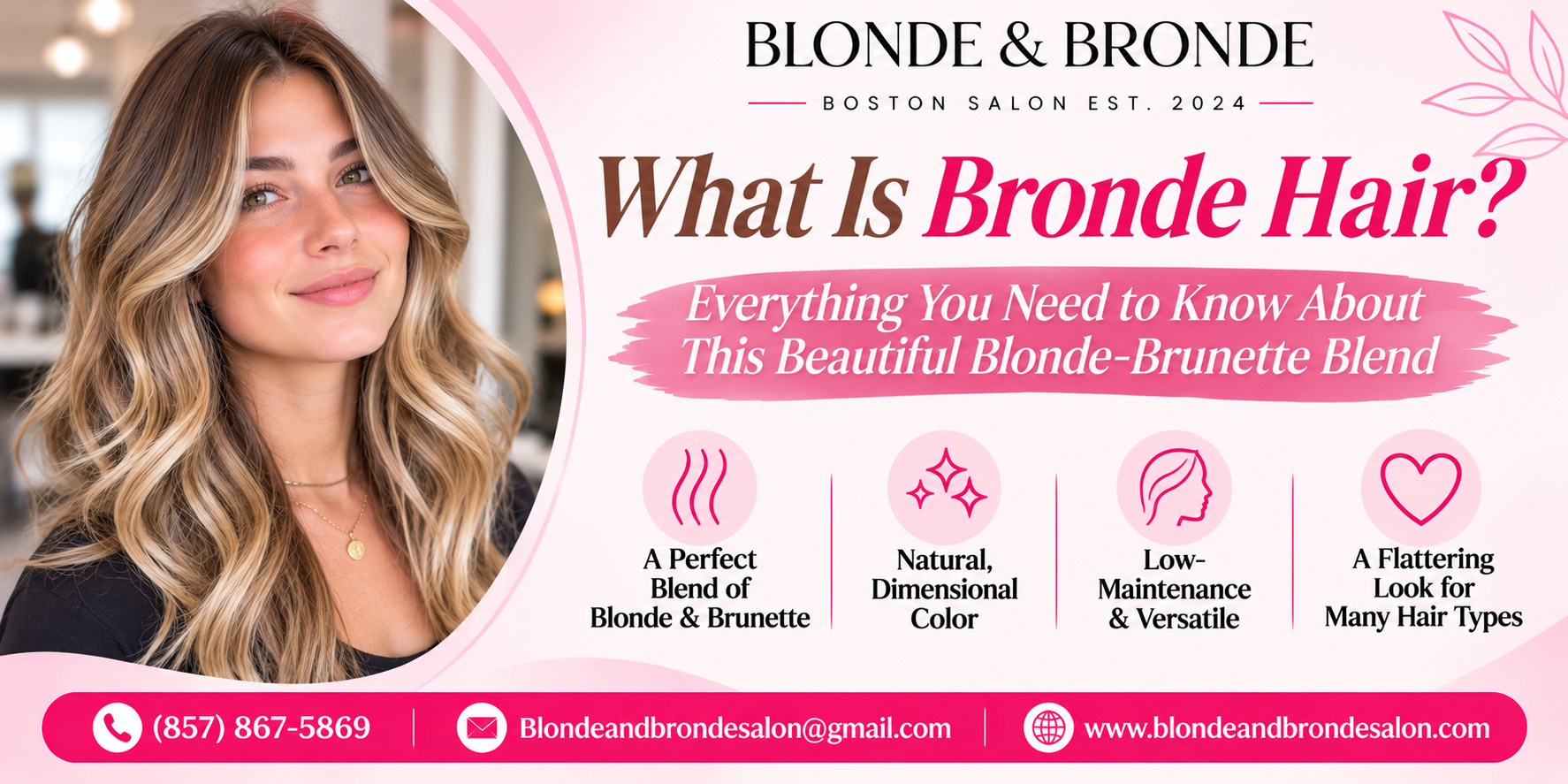
What if you could enjoy the richness of brunette hair and the brightness of blonde without choosing between the two? That is exactly what makes bronde hair so appealing. This beautiful color combines brown and blonde shades to create a natural-looking blend with depth, dimension, and a soft sun-kissed finish.
But what is bronde, and how is it different from traditional blonde or brunette hair? Bronde is more than simply adding a few blonde highlights to brown hair. It involves carefully blending different shades to create a balanced, customized color that complements your natural hair and overall appearance.
Whether you want a subtle change or a brighter transformation, bronde offers a versatile way to refresh your look while maintaining a natural finish.
What Is Bronde Hair?
Bronde is a hair color that combines brunette and blonde tones. The word itself comes from blending the words "brown" and "blonde." It creates a middle ground between the two colors, giving hair the richness of brown with the brightness of blonde.
Unlike traditional blonde coloring, which focuses on creating an overall lighter appearance, bronde maintains darker sections throughout the hair. These darker tones provide depth, while strategically placed blonde pieces add brightness and movement.
A customized bronde color may include:
-
Chocolate brown blended with caramel highlights.
-
Light brunette mixed with beige blonde.
-
Dark brown roots with honey blonde pieces.
-
Ash brown combined with cool blonde tones.
-
Warm brown shades with golden blonde highlights.
The final result depends on your natural hair color, desired brightness, skin undertone, and personal preferences.
One of the biggest advantages of bronde is that it does not follow a single color formula. Your stylist can adjust the balance of brown and blonde to create anything from a subtle, natural-looking blend to a brighter, more noticeable transformation.
Why Is Bronde Hair So Popular?
Bronde has become a popular choice because it offers the best qualities of blonde and brunette hair. It creates brightness without removing all the depth from the natural base color.
Here are some reasons people choose this versatile shade.
1. It Creates Natural-Looking Dimension
A single hair color can sometimes look flat, especially when there is little variation in tone. Bronde uses a combination of lighter and darker shades to create depth and dimension.
The lighter pieces catch the light, while the brunette sections provide contrast. This makes the hair look fuller and more visually interesting.
2. It Offers a Balanced Color Change
Moving from dark brunette to blonde can require significant lightening. Bronde provides another option for people who want a lighter appearance without committing to an entirely blonde result.
It allows you to keep some of your natural depth while introducing brightness where it makes the most difference.
3. It Can Be Lower-Maintenance
Bronde often works well with techniques such as balayage, where color is blended gradually from the roots toward the ends.
When the natural root color is maintained, regrowth can appear softer and less noticeable. However, maintenance requirements depend on the color technique, hair growth, and desired level of brightness.
4. It Can Be Customized
There is no single version of bronde. You can choose warmer caramel tones, cooler ash shades, neutral beige, or golden honey finishes.
This flexibility makes it possible to create a color that complements your complexion, natural hair, and lifestyle.
Different Types of Bronde Hair Color
Bronde can look completely different depending on the combination of shades used. Understanding the available options can help you communicate your preferred result during a salon consultation.
1. Caramel Bronde
Caramel bronde combines rich brown shades with warm caramel and golden blonde highlights.
This variation creates a soft, glowing appearance without making the hair look excessively light. It is particularly appealing if you enjoy warm, rich tones and want a natural-looking transition from brunette to blonde.
2. Ash Bronde
Ash bronde combines cool brown shades with ash blonde highlights.
It is a good option for people who prefer muted, cooler colors rather than strong golden or copper tones. The result can look soft, modern, and sophisticated.
Your colorist may need to adjust the underlying warmth of your hair to achieve the desired ash finish.
3. Beige Bronde
Beige bronde offers a balanced combination of blonde and brown with neutral undertones.
It is neither overly golden nor excessively cool. This makes it a versatile choice for people who want a natural-looking color with a soft, refined finish.
4. Honey Bronde
Honey bronde combines warm brunette shades with honey blonde highlights.
The golden tones create brightness and warmth throughout the hair. It can be especially beautiful when paired with loose waves, layered haircuts, or soft styling.
5. Dark Bronde
Dark bronde keeps more of the natural brunette base while introducing subtle lighter pieces.
It is an excellent starting point for people with dark brown hair who want to experiment with lighter shades without making a dramatic change.
Which Bronde Shade Is Best for Your Skin Tone?
Choosing the right bronde shade involves more than selecting a color you like in a photograph. Your skin undertone can help determine whether warm, cool, or neutral shades will create the most balanced result.
Bronde for Warm Undertones
If your skin has golden, peachy, or yellow undertones, warmer shades may complement your complexion.
Consider:
-
Caramel bronde.
-
Honey blonde highlights.
-
Golden brown.
-
Warm beige blonde.
These shades can create a harmonious appearance while adding warmth and brightness.
Bronde for Cool Undertones
If your skin has pink, rosy, or bluish undertones, cooler shades may be worth considering.
Options include:
-
Ash bronde.
-
Mushroom brown.
-
Cool beige blonde.
-
Neutral brunette.
These shades can create a softer contrast without adding too much golden warmth.
Bronde for Neutral Undertones
Neutral undertones offer more flexibility because both warm and cool shades may work well.
Consider beige bronde, soft caramel, champagne blonde, or balanced golden brown.
Remember that undertones are only a starting point. Your natural hair color, previous color treatments, personal style, and desired maintenance routine should also influence your final choice.
How Is Bronde Hair Created?
Achieving a beautiful bronde result requires thoughtful color placement and the right combination of techniques. Your stylist will first consider your starting hair color, hair condition, and desired level of brightness.
Several professional techniques can help create the finished look.
1. Balayage
Balayage is a freehand highlighting technique in which lighter color is painted onto selected sections of hair.
It creates soft transitions between darker roots and lighter lengths. This makes it a popular technique for creating natural-looking bronde hair.
Balayage placement can be customized to add brightness around the face, through the mid-lengths, or toward the ends.
2. Foil Highlights
Foil highlights involve separating sections of hair and applying lightener or color before wrapping them in foils.
This technique provides more controlled lightening and can create brighter, more noticeable blonde pieces.
A stylist may recommend partial or full foil highlights depending on how much brightness you want.
3. Root Smudge or Root Melt
A root smudge or root melt helps blend the darker root area into the lighter sections.
This creates a softer transition and reduces the appearance of harsh lines between different colors.
It can also help maintain a natural-looking finish as your roots grow.
4. Gloss or Toner
After highlighting, a gloss or toner may be used to refine the final color.
It helps adjust unwanted warmth and achieve the desired finish, whether that is caramel, beige, honey, or ash bronde.
A gloss can also enhance shine and make the different tones appear more balanced.
Bronde vs. Blonde vs. Brunette: What Is the Difference?
Although these three hair colors can share similar tones, they create different overall appearances.
Bronde: Combines blonde and brunette shades to create depth and brightness in one color.
Blonde: Focuses primarily on lighter shades, ranging from dark blonde to very light blonde.
Brunette: Features brown shades, from light brown to deep chocolate and dark espresso.
If you want a noticeably lighter appearance, blonde may be the better choice. If you prefer a rich, darker color, brunette may suit your preferences.
Bronde is ideal when you want elements of both without committing entirely to either shade.
How to Maintain Your Bronde Hair Color
Professional coloring is only one part of achieving beautiful hair. Your home-care routine also plays an important role in keeping your bronde color looking fresh.
Follow these practical tips:
1. Use Color-Safe Hair Products
Choose a shampoo and conditioner designed for color-treated hair. These products can help maintain moisture and support the appearance of your color.
Avoid harsh cleansing products if your hair feels dry after coloring.
2. Limit Excessive Heat Styling
Frequent heat styling can contribute to dryness, breakage, and dull-looking hair.
Use a heat protectant before blow-drying, curling, or straightening. Whenever possible, reduce the temperature and avoid unnecessary heat exposure.
3. Keep Your Hair Hydrated
Lightening can make hair more vulnerable to dryness, especially when multiple coloring sessions are involved.
Use a moisturizing hair mask or conditioning treatment regularly to maintain softness and manageability.
4. Schedule Gloss and Toning Appointments
Over time, blonde sections may develop unwanted warmth or lose their original tone.
A professional gloss or toner can refresh the color and help maintain the desired bronde shade. Ask your colorist how frequently your particular formula needs refreshing.
5. Protect Your Hair From Sun Exposure
Extended sun exposure can contribute to color changes and dryness.
Wear a hat when spending long periods outdoors and consider suitable UV-protective hair products.
Common Bronde Hair Mistakes to Avoid
Although bronde is designed to look soft and natural, achieving the right balance requires careful planning.
Avoid these common mistakes:
-
Going too light too quickly: Trying to achieve a very bright result in one appointment can compromise hair condition, especially if your hair is naturally dark or previously colored.
-
Ignoring your natural base color: Your starting shade affects the final result and the amount of lightening required.
-
Choosing a color based only on photographs: Lighting, filters, and hair texture can make the same color appear different.
-
Using too many contrasting shades: Excessive contrast can make the finished color look less blended.
-
Skipping professional maintenance: Without suitable aftercare, the color may lose its desired tone and shine.
-
Ignoring hair health: A beautiful color should also leave your hair feeling manageable and well cared for.
The best approach is to discuss your expectations with an experienced colorist before starting the service.
Frequently Asked Questions About Bronde Hair
1. What exactly is bronde hair?
Bronde is a combination of brown and blonde hair colors. It blends brunette depth with blonde brightness to create a dimensional, natural-looking finish.
2. Is bronde hair blonde or brunette?
Bronde falls between blonde and brunette. It combines both shades rather than creating an entirely blonde or brown appearance.
3. Does bronde work on naturally dark hair?
Yes. Bronde can look beautiful on naturally dark brown hair. A stylist can introduce lighter sections using customized highlighting techniques. The amount of lightening required depends on your starting color and desired result.
4. Is bronde hair high-maintenance?
Bronde can be relatively low-maintenance, particularly when created with blended highlights and a natural root. However, glossing, toning, and occasional salon visits may still be necessary.
5. Can bronde hair work on short hairstyles?
Absolutely. Bronde works beautifully on short bobs, layered cuts, shoulder-length hairstyles, and long hair. Proper highlight placement can enhance the haircut's shape and texture.
6. What is the difference between bronde and balayage?
Bronde is a hair color, while balayage is a highlighting technique. Balayage can be used to create bronde by blending lighter blonde tones into a brunette base.
7. Can I get bronde hair without bleaching?
It depends on your natural hair color and desired result. Some subtle bronde shades may be possible with color alone, but creating lighter blonde sections on dark hair often requires lightener. Your stylist can assess your hair and recommend the safest suitable approach.
Conclusion: Is Bronde Hair Worth Trying?
Bronde is an excellent choice if you love the richness of brunette hair but want the brightness and dimension of blonde. Its versatility makes it possible to create a subtle, natural-looking blend or a brighter transformation depending on your preferences.
From caramel and honey to beige and ash, there are many ways to customize bronde hair. The key is finding the right combination of shades, choosing suitable highlighting techniques, and maintaining your hair with proper aftercare.
If you are considering bronde, start with a professional consultation. An experienced colorist can assess your natural hair color, previous treatments, and hair condition before recommending a personalized approach.
Ready to discover your perfect bronde shade?
At Blonde and Bronde Salon, located on Newbury Street in Boston, we focus on personalized hair color services designed around your desired look. Whether you are interested in subtle balayage, dimensional highlights, or a complete color refresh, our team can help you explore the possibilities.
Visit Blonde and Bronde Salon or call (857) 867-5869 to schedule your consultation.

 English
 Arabic
 French
 Spanish
 Portuguese
 Deutsch
 Turkish
 Dutch
 Italiano
 Russian
 Romaian
 Portuguese (Brazil)
