


Why Modern Parking Facilities Need Real-Time Monitoring
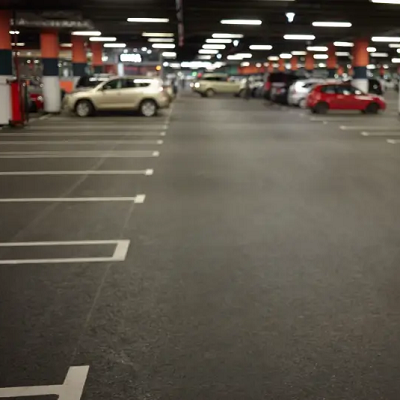
Modern parking facilities face increasing pressure to provide convenient, secure, and efficient parking experiences. As cities grow, commercial developments expand, and vehicle ownership increases, managing parking spaces has become more challenging than simply assigning vehicles to available spots. Parking operators must monitor occupancy, control traffic movement, prevent unauthorized access, and ensure that drivers can find suitable spaces without unnecessary delays.
Real-time monitoring has become an important part of modern parking operations because it provides accurate information about parking availability and facility performance. By using smart technologies, sensors, automated systems, and centralized management platforms, parking operators can make informed decisions and improve daily operations. Businesses looking for reliable solutions often consider Best Parking Management Services Saudi Arabia to improve parking efficiency, enhance security, and deliver a better experience for visitors and customers.
1. Understanding Real-Time Monitoring in Modern Parking Facilities
Real-time monitoring refers to the continuous collection and analysis of parking-related information. It allows parking operators to understand what is happening inside a facility at any given moment.
Traditional parking facilities often depend on manual inspections and employees to identify available spaces, monitor vehicle movement, and manage entry and exit points. Although these methods can work in smaller locations, they become less effective when parking demand increases.
Modern monitoring systems use different technologies to provide updated information automatically. These may include:
-
Occupancy sensors: Detect whether individual parking spaces are occupied or available.
-
Cameras: Monitor vehicle movement and support security operations.
-
License plate recognition: Helps identify vehicles and manage authorized access.
-
Automated entry systems: Record vehicle arrivals and departures.
-
Centralized software: Collects parking information and displays operational updates.
Together, these technologies give facility managers a clearer understanding of parking activity. Instead of depending entirely on manual observations, operators can access useful information through a centralized platform.
This makes parking management more organized, responsive, and suitable for facilities with different levels of demand.
2. How Real-Time Monitoring Reduces Traffic Congestion
One of the most common challenges in busy parking facilities is unnecessary vehicle movement. Drivers may spend several minutes searching for available spaces, particularly during peak business hours, weekends, and special events.
When multiple drivers move through the same areas looking for parking, congestion can develop inside the facility. This may create long queues, increase waiting times, and make the overall experience frustrating.
Real-time monitoring helps address this problem by providing accurate information about available spaces.
Directing Drivers Toward Available Parking Spaces
Connected sensors and digital displays can identify vacant spaces and guide drivers toward suitable parking areas. This reduces the need for unnecessary driving throughout the facility.
For example, a shopping mall with several parking levels can use monitoring technology to display the number of available spaces on each floor. Drivers can make informed decisions before entering a particular section.
Improving Entry and Exit Movement
Monitoring systems can also provide information about vehicle flow at entrances and exits. Facility managers can identify areas where queues frequently develop and make adjustments to improve traffic movement.
Automated barriers and access control systems can further reduce delays by simplifying vehicle entry and departure.
As a result, real-time monitoring supports smoother traffic circulation and helps parking facilities handle higher demand more effectively.
3. Improving Security and Vehicle Protection
Security is another major reason why modern parking facilities require real-time monitoring. Parking areas often accommodate hundreds or thousands of vehicles, making it important to maintain proper oversight.
Without effective monitoring, facility operators may find it difficult to identify suspicious activity, manage unauthorized access, or respond quickly to incidents.
Real-time monitoring strengthens parking security through several features.
Continuous Surveillance
Modern camera systems allow security personnel to observe important areas, including entrances, exits, payment stations, pedestrian walkways, and parking sections.
Continuous surveillance helps operators identify unusual activity and respond when problems occur.
Better Access Control
Automated access control systems can help ensure that only authorized vehicles enter restricted parking areas.
For example, residential communities and commercial buildings may use license plate recognition or digital permits to identify registered vehicles. This reduces dependence on manual verification and makes access management more consistent.
Faster Incident Response
Real-time information allows security teams to identify potential issues without waiting for routine inspections.
When a problem occurs, recorded footage and system information can help operators understand the situation and take appropriate action.
These features create a more controlled parking environment and improve confidence among visitors, employees, tenants, and customers.
4. Helping Parking Operators Make Better Business Decisions
A modern parking facility generates valuable operational information every day. However, collecting information is only useful when operators can understand and apply it.
Real-time monitoring systems help transform parking activity into meaningful data that supports business decisions.
Understanding Parking Occupancy Patterns
Facility managers can identify which areas experience the highest demand and which spaces remain unused for longer periods.
For instance, an office building may experience heavy parking demand during morning arrival hours, while a shopping center may see its busiest periods during evenings and weekends.
Understanding these patterns helps operators plan staffing, allocate parking spaces, and prepare for periods of increased activity.
Identifying Operational Problems
Monitoring data can also reveal recurring issues, such as:
-
Frequent congestion near entrances.
-
Underused parking sections.
-
Long vehicle waiting times.
-
Repeated access control problems.
-
Inefficient use of designated spaces.
By identifying these issues, operators can introduce improvements based on actual facility performance rather than assumptions.
Supporting Long-Term Planning
Historical monitoring information can help businesses understand whether their existing parking capacity meets demand.
This information may support decisions about expanding parking areas, changing traffic routes, introducing additional access points, or upgrading existing equipment.
Consequently, real-time monitoring becomes a valuable planning resource rather than simply a technical feature.
5. Enhancing Customer Experience Through Smart Parking Technology
Customer experience plays an important role in the success of commercial buildings, shopping centers, hotels, hospitals, and entertainment venues.
A difficult parking experience can create a negative first impression, even when the business provides excellent services.
Drivers generally expect parking facilities to be easy to navigate, secure, and convenient. Real-time monitoring helps operators meet these expectations.
Reducing Waiting Times
When drivers receive accurate information about available spaces, they spend less time searching for parking.
This is particularly useful in busy commercial locations where high vehicle movement can create delays.
Providing Clear Parking Information
Digital signs and connected displays can show available spaces, direct vehicles toward different parking sections, and communicate important operational information.
Clear guidance reduces confusion, particularly for visitors who are unfamiliar with the facility.
Supporting Convenient Parking Experiences
Real-time monitoring can work alongside mobile applications, digital payment platforms, and automated access systems.
These integrations make it easier for drivers to enter, locate spaces, and complete their parking experience without unnecessary complications.
For businesses, improving parking convenience can contribute to customer satisfaction, visitor retention, and a more positive reputation.
6. The Role of Real-Time Monitoring in Saudi Arabia's Growing Infrastructure
Saudi Arabia continues to develop its urban infrastructure, commercial destinations, residential communities, and major entertainment facilities. As these developments expand, the demand for organized parking operations becomes increasingly important.
Large cities and growing business districts require parking solutions that can handle changing traffic patterns and different levels of vehicle demand.
Real-time monitoring supports these requirements by helping facility operators maintain better control over parking operations.
Supporting Shopping Malls and Commercial Buildings
Shopping malls experience changing parking demand throughout the day. Weekends, promotional activities, and holiday seasons can create significant increases in vehicle movement.
Monitoring technology helps operators identify available spaces, manage traffic distribution, and reduce congestion.
Commercial office buildings can also benefit from occupancy tracking and automated access management, especially when several businesses share the same parking facility.
Improving Residential Parking Management
Residential communities often need organized systems to manage visitor access, resident permits, and designated parking spaces.
Real-time monitoring can help property managers identify unauthorized parking, maintain occupancy records, and improve access control.
Managing Parking at Large Events
Concerts, exhibitions, conferences, and sporting events can generate considerable traffic within a short period.
Monitoring systems help event operators understand parking occupancy and coordinate vehicle movement more effectively.
These applications demonstrate why smart monitoring is becoming an important consideration for parking facilities throughout Saudi Arabia.
7. Why Businesses Should Invest in Real-Time Parking Monitoring
Real-time monitoring is not simply a technology upgrade. It can become an important part of a business's operational strategy.
Although implementation requires planning, suitable equipment, and system integration, the long-term operational advantages can make the investment valuable.
Some of the most important benefits include:
-
Improved space utilization: Businesses can identify unused spaces and distribute parking demand more efficiently.
-
Reduced operational pressure: Automated monitoring reduces the need for repeated manual inspections.
-
Better security management: Surveillance and access control provide greater oversight of parking areas.
-
Faster vehicle movement: Accurate occupancy information helps reduce unnecessary driving and waiting.
-
More informed decisions: Parking reports support better planning and resource allocation.
-
Improved customer satisfaction: Convenient parking contributes to a smoother visitor experience.
However, successful implementation depends on selecting technology that matches the facility's size, layout, operational requirements, and expected parking demand.
Businesses should also consider system reliability, maintenance support, data protection, staff training, and compatibility with existing equipment.
A well-planned monitoring solution should be easy to operate and flexible enough to accommodate future changes.
Conclusion
Real-time monitoring has become an essential element of modern parking facility management. It helps operators understand parking occupancy, reduce traffic congestion, strengthen security, improve customer experiences, and make better operational decisions.
As commercial developments, residential communities, and entertainment destinations continue to expand across Saudi Arabia, the need for efficient parking operations will become even more important.
By adopting smart monitoring technologies and organized management practices, businesses can make better use of available parking spaces while providing a convenient environment for drivers.
Modern parking facilities that prioritize accurate information, automation, and continuous operational improvement are better positioned to meet changing customer expectations and future parking demands.
Frequently Asked Questions (FAQs)
1. What is real-time monitoring in parking management?
Real-time monitoring is a technology-based approach that continuously tracks parking occupancy, vehicle movement, and facility activity. It provides updated information that helps operators manage parking operations more efficiently.
2. How does real-time monitoring reduce parking congestion?
It identifies available parking spaces and helps guide drivers toward vacant areas. This reduces unnecessary vehicle movement, limits delays, and supports smoother traffic circulation.
3. Can real-time monitoring improve parking security?
Yes. It can integrate surveillance cameras, automated access control, and vehicle identification technologies. These features help operators monitor activity, identify unauthorized access, and respond to potential security incidents.
4. Which businesses benefit most from real-time parking monitoring?
Shopping malls, office buildings, hotels, hospitals, residential communities, airports, and event venues can benefit from real-time monitoring because they often experience changing parking demand and high vehicle movement.
5. Does real-time monitoring help businesses reduce operational costs?
It can help reduce certain operational expenses by minimizing manual inspections, improving space utilization, and identifying recurring inefficiencies. The actual savings depend on the facility and the monitoring solution being used.
6. What should businesses consider before choosing a parking monitoring system?
Businesses should evaluate parking capacity, occupancy detection accuracy, security requirements, software features, system integration, maintenance support, scalability, and ease of use. Selecting technology that matches the facility's operational needs is essential for long-term performance.

 Arabic
 French
 Spanish
 Portuguese
 Deutsch
 Turkish
 Dutch
 Italiano
 Russian
 Romaian
 Portuguese (Brazil)
 Greek
