


Clutch Release Bearing: Function, Common Problems, and Replacement Guide
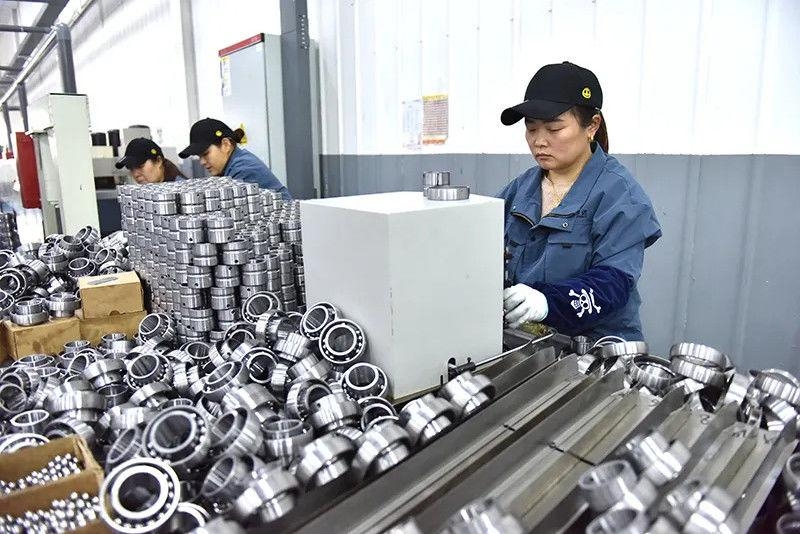
A smooth and reliable clutch system is essential for comfortable driving and efficient power transfer. One of its key components is the clutch release bearing, which helps disengage the clutch when the driver presses the pedal. Although relatively small, this component plays an important role in gear shifting and overall transmission performance. Understanding how a clutch release bearing works, recognizing signs of wear, and choosing the correct replacement can help prevent unnecessary repairs and maintain dependable vehicle operation.
What Is a Clutch Release Bearing?
A clutch release bearing, also known as a throwout bearing, is part of the clutch operating mechanism. Its primary function is to transfer pressure from the clutch release mechanism to the pressure plate, allowing the clutch to disengage.
When the driver presses the clutch pedal, the release mechanism moves the bearing toward the pressure plate. This movement releases the clamping force on the clutch disc, temporarily disconnecting the engine from the transmission so the driver can change gears.
When the pedal is released, the clutch re-engages and transfers engine power to the transmission. The release bearing therefore operates repeatedly during normal driving and must withstand continuous mechanical demands.
Why Is the Release Bearing Important?
The release bearing supports smooth clutch operation and helps maintain consistent contact between the release mechanism and pressure plate.
A properly functioning bearing offers several benefits:
-
Smooth gear changes: Helps the clutch disengage correctly when changing gears.
-
Reduced friction: Supports controlled movement within the clutch assembly.
-
Consistent pedal operation: Helps maintain predictable clutch engagement and disengagement.
-
Component protection: Reduces the risk of excessive friction and uneven contact in the release mechanism.
Because the bearing operates whenever the clutch is used, its condition can influence the overall performance of the clutch system.
Common Signs of a Failing Clutch Release Bearing
Release bearing problems often develop gradually. Identifying unusual symptoms early can help prevent further damage to related clutch components.
Unusual Noise When Pressing the Clutch
A squealing, humming, or grinding noise when the clutch pedal is pressed may indicate bearing wear. The sound can become more noticeable as the bearing makes contact with the pressure plate.
However, similar noises may also come from other clutch or transmission components, so proper inspection is necessary.
Vibration in the Clutch Pedal
A worn or damaged bearing may cause vibration or roughness when the clutch pedal is operated. This can result from irregular bearing movement or damaged internal rolling surfaces.
Difficulty Changing Gears
If the clutch does not disengage properly, selecting gears may become difficult. Drivers may experience resistance, grinding sounds, or inconsistent gear engagement.
These symptoms can also indicate problems with the clutch disc, pressure plate, hydraulic system, or release mechanism.
Stiff or Unusual Pedal Movement
A damaged bearing or related release component may interfere with normal pedal operation. The clutch may feel heavier than usual or fail to move smoothly.
Any noticeable change in pedal behavior should be checked before it develops into a more serious problem.
What Causes a Clutch Release Bearing to Wear Out?
Several factors can contribute to premature bearing failure.
Frequent clutch use: Heavy traffic and repeated gear changes increase the number of operating cycles.
Resting a foot on the clutch pedal: Keeping slight pressure on the pedal can maintain unnecessary contact and increase bearing workload.
Insufficient or unsuitable lubrication: Some release mechanisms require specific lubrication at designated contact points. Incorrect lubrication practices can contribute to wear.
Contamination: Dirt, moisture, or debris can affect bearing performance if protective seals are damaged.
Incorrect installation: Misalignment, improper handling, or unsuitable replacement parts can reduce service life.
Natural wear: Like other mechanical components, the release bearing gradually deteriorates through normal use.
Choosing the Right Clutch Release Bearing
Selecting a compatible replacement is essential for reliable clutch performance. Bearings that look similar may have different dimensions, mounting arrangements, and contact surfaces.
Before purchasing, consider these factors:
-
Vehicle compatibility: Check the make, model, year, and engine configuration.
-
Original equipment reference: Compare the existing part number with the replacement specifications.
-
Dimensions: Verify the required diameter, height, and mounting measurements.
-
Bearing design: Confirm whether the vehicle uses a conventional release bearing or an integrated hydraulic release unit.
-
Manufacturing quality: Choose components made with suitable materials and precise manufacturing standards.
It is also important to check the pressure plate and release mechanism specifications. A bearing must be compatible with the complete clutch system rather than selected by appearance alone.
Should the Release Bearing Be Replaced with the Clutch Kit?
Replacing the release bearing during clutch servicing is generally a sensible maintenance decision, particularly when the transmission has already been removed.
Accessing the bearing often requires significant disassembly. If an old bearing fails shortly after a clutch replacement, the vehicle may need to undergo much of the same labor again.
When servicing the clutch, mechanics should also inspect the clutch disc, pressure plate, release fork, guide sleeve, and related components. Any worn or damaged parts should be addressed according to the manufacturer's recommendations.
Replacing related components at the appropriate time can help reduce repeat repairs and support consistent clutch operation.
Important Considerations During Installation
Correct installation is essential for achieving reliable performance from a new release bearing.
Before fitting the replacement, the mechanic should inspect the release fork, pivot points, guide sleeve, and pressure plate contact surface. Damaged or excessively worn components should be repaired or replaced.
The new bearing must be installed in the correct orientation and secured according to the vehicle manufacturer's procedure. Any required lubrication should be applied only to the specified contact points and in the recommended amount.
After reassembly, the technician should check clutch pedal movement, gear engagement, and unusual noises. Hydraulic clutch systems may also require bleeding to restore proper operation.
Because transmission removal and clutch assembly work can be complex, professional installation is recommended for anyone without the appropriate tools and experience.
How to Extend the Life of a Clutch Release Bearing
Good driving habits and regular maintenance can help reduce unnecessary stress on the clutch system.
-
Avoid resting your foot on the clutch pedal while driving.
-
Use the clutch smoothly rather than releasing it abruptly.
-
Avoid unnecessary clutch engagement when waiting in traffic.
-
Address unusual noises or pedal vibrations promptly.
-
Follow the vehicle manufacturer's maintenance recommendations.
-
Inspect related clutch components during scheduled repairs.
These practices cannot prevent normal wear entirely, but they can help reduce avoidable stress and support longer component life.
Frequently Asked Questions
Can a damaged release bearing make noise when the clutch is pressed?
Yes. A worn bearing may produce squealing, humming, or grinding sounds when the clutch pedal is operated. Other components can cause similar noises, so a proper diagnosis is important.
Can I drive with a faulty clutch release bearing?
Continuing to drive with a damaged release bearing is not recommended. The condition may worsen and affect clutch operation or damage related components. Arrange an inspection as soon as possible.
Does the release bearing come with every clutch kit?
Not every clutch kit includes a release bearing. Package contents vary, so check the product specifications before purchasing.
How long does a clutch release bearing last?
Its service life depends on driving habits, vehicle design, operating conditions, and component quality. Frequent clutch use and incorrect driving habits can contribute to earlier wear.
Is a release bearing the same as a pilot bearing?
No. The release bearing helps disengage the clutch, while the pilot bearing supports the transmission input shaft where it enters the crankshaft or flywheel assembly. They perform different functions.
Conclusion
The clutch release bearing is a small but essential component that supports smooth gear changes and reliable clutch operation. Unusual noises, pedal vibration, and difficulty shifting gears can indicate that the bearing or another part of the clutch system needs attention.
Selecting a compatible replacement, inspecting related components, and following the correct installation procedure can help prevent premature wear and unnecessary repair costs. With proper maintenance and good driving habits, vehicle owners can support dependable clutch performance and a smoother driving experience.

 English
 Arabic
 French
 Spanish
 Portuguese
 Deutsch
 Turkish
 Dutch
 Italiano
 Russian
 Portuguese (Brazil)
 Greek
