


What Causes Dark Circles? Understanding the Role of Under-Eye Treatments
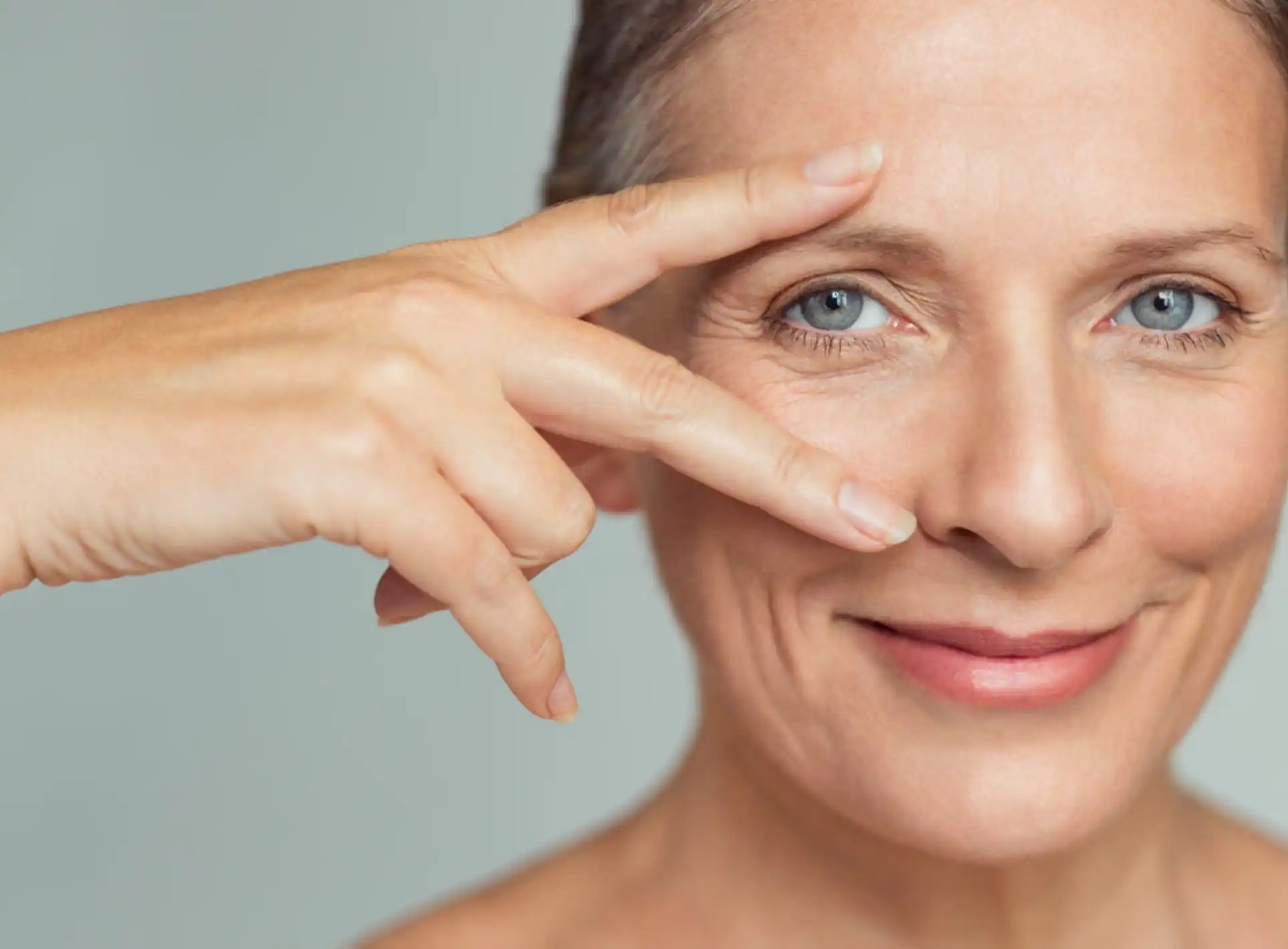
Dark circles can make the face appear tired, dull, or less refreshed, even when a person gets enough sleep. These changes around the eyes can develop gradually due to several factors, including genetics, ageing, pigmentation, and changes in the skin's underlying structure. Understanding their actual cause is an important step towards choosing an appropriate treatment. Under Eye Fillers in Dubai are among the options considered for dark circles associated with volume loss and under-eye hollowness. However, not every type of dark circle develops for the same reason, which makes identifying the underlying concern essential before selecting a suitable approach.
What Are Dark Circles Under the Eyes?
Dark circles refer to darker-looking areas beneath the lower eyelids that create a noticeable difference in skin tone. They can appear brown, blue, purple, grey, or almost black, depending on the individual's skin characteristics and the underlying cause.
The under-eye area has naturally delicate and relatively thin skin. Consequently, changes in pigmentation, blood vessels, fat distribution, and facial structure can become more visible in this region.
Dark circles may develop in different forms, including:
-
Brown discoloration associated with excess pigmentation.
-
Bluish or purplish shadows caused by visible blood vessels.
-
Dark hollows created by volume loss beneath the eyes.
-
Shadowing caused by the natural shape of the lower eyelids.
Recognising these characteristics helps determine which treatment approach may be appropriate.
What Causes Dark Circles?
Dark circles can develop due to several internal and external factors. Some individuals experience them because of inherited facial characteristics, while others notice changes as their skin ages.
Genetics and Family History
Genetics can influence skin thickness, pigmentation, and the natural structure of the eye area. Individuals with a family history of dark circles may develop similar under-eye characteristics at an early age.
Inherited pigmentation can make the skin beneath the eyes appear naturally darker. Genetic factors can also influence the depth of the tear trough, creating shadows that remain noticeable even when the individual is well-rested.
Thin Under-Eye Skin
The skin beneath the eyes is naturally thinner than the skin in many other facial areas. As a result, underlying blood vessels may become more visible, creating bluish or purplish discoloration.
Ageing can make this appearance more noticeable because the skin gradually loses collagen and elasticity. Reduced skin thickness can also make the under-eye region appear less even in colour.
Age-Related Volume Loss
Ageing is one of the common reasons for developing under-eye hollows. Over time, changes in facial fat distribution, collagen levels, and skin elasticity can create depressions beneath the lower eyelids.
These depressions may produce shadows that resemble dark circles. The tear trough, which is the natural groove between the lower eyelid and upper cheek, can become more prominent as facial volume changes.
Hyperpigmentation
Hyperpigmentation occurs when excess melanin accumulates in certain areas of the skin. When this happens beneath the eyes, the affected region may appear brown or darker than the surrounding facial skin.
Several factors can contribute to under-eye pigmentation, including inherited characteristics, sun exposure, hormonal changes, and previous skin inflammation.
Allergies and Eye Rubbing
Allergic reactions can contribute to darkness around the eyes. Nasal allergies may cause congestion and changes in blood flow around the eye region, making underlying vessels more noticeable.
Frequent rubbing or scratching can also irritate the delicate skin and contribute to pigmentation over time. This may create persistent discoloration beneath the lower eyelids.
Lack of Sleep and Fatigue
Insufficient sleep can make existing dark circles appear more noticeable. Fatigue may contribute to a pale or tired-looking complexion, allowing underlying blood vessels and shadows to stand out.
Although sleep patterns can influence the appearance of the under-eye area, they are not the only cause of persistent dark circles.
Dehydration and Skin Changes
Insufficient hydration can make the skin appear less plump and emphasise existing fine lines and hollows. Because the under-eye skin is delicate, changes in hydration may make its texture and appearance more noticeable.
Dehydration is not necessarily the primary cause of long-lasting dark circles, particularly when pigmentation or inherited facial anatomy is involved.
How Do Under-Eye Hollows Contribute to Dark Circles?
Under-eye hollows are depressions that develop beneath the lower eyelids. They can occur naturally due to facial anatomy or become more pronounced with age-related volume changes.
When light falls across an uneven under-eye surface, the recessed area creates a shadow. This shadow can make the skin look darker even when there is no significant pigmentation.
Common characteristics of under-eye hollows include:
-
A visible groove beneath the lower eyelid.
-
A sunken appearance near the inner corners of the eyes.
-
Uneven transitions between the lower eyelids and cheeks.
-
Shadows that become more noticeable under certain lighting conditions.
Identifying whether darkness comes from pigmentation or structural shadowing is important because each concern may require a different treatment method.
Which Treatments Can Address Dark Circles?
Treatment selection depends on the underlying reason for the discoloration. Two approaches that may be considered for different under-eye concerns are hyaluronic acid dermal fillers and platelet-rich plasma treatment.
Both approaches focus on improving the appearance of the under-eye region, but they work through different mechanisms.
Hyaluronic Acid Under-Eye Fillers
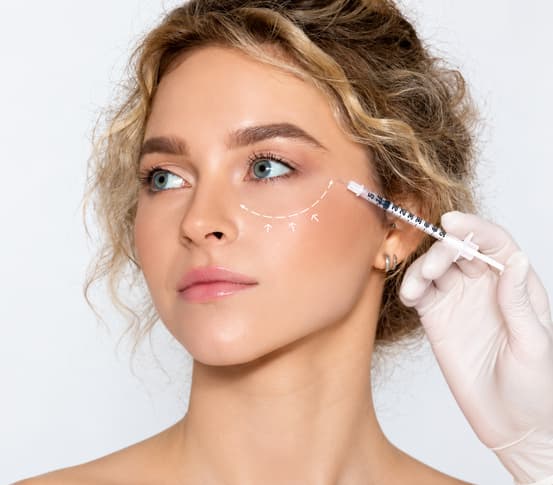
Hyaluronic acid fillers are injectable gel-based treatments designed to restore volume beneath the skin. They may be suitable for individuals whose dark circles are associated with tear-trough hollowness or volume deficiency.
The treatment helps create a smoother transition between the lower eyelids and upper cheeks. By filling selected depressions, it can reduce the shadows responsible for a tired or sunken appearance.
The process generally involves:
-
Assessing the under-eye anatomy and identifying areas of volume deficiency.
-
Selecting an appropriate filler formulation.
-
Cleaning and preparing the treatment area.
-
Carefully placing small amounts of filler into suitable anatomical areas.
-
Assessing the contour and overall balance of the under-eye region.
The objective is to achieve a subtle improvement while maintaining the individual's natural facial features. Fillers are not designed to remove every type of pigmentation or address all causes of dark circles.
Platelet-Rich Plasma (PRP) Under-Eye Treatment
Platelet-rich plasma treatment is another approach that may be considered for certain under-eye concerns. It uses a concentrated portion of the individual's own blood containing platelets and growth factors.
The treatment focuses on supporting the skin's natural repair processes and improving overall skin quality. It may be considered when the under-eye area has a thin, crepey, or uneven-looking texture.
The general process involves:
-
Collecting a small blood sample.
-
Processing the sample through centrifugation to separate its components.
-
Preparing the platelet-rich portion.
-
Applying or injecting the prepared plasma into selected under-eye areas.
PRP does not provide the same immediate structural volume replacement as hyaluronic acid fillers. Its intended role is to support improvements in skin quality rather than directly filling deep hollows.
What Are the Benefits of Under-Eye Treatments?
The potential benefits depend on the selected treatment and the individual's underlying concerns. Appropriate treatment selection can help improve the overall appearance of the lower eyelid area.
Potential benefits of hyaluronic acid fillers include:
-
Improving the appearance of under-eye hollows.
-
Reducing shadows caused by volume deficiency.
-
Creating a smoother transition between the eyelids and cheeks.
-
Restoring a more refreshed facial appearance.
-
Providing a non-surgical approach to selected volume concerns.
Potential benefits of PRP treatment include: -
Supporting skin quality and texture.
-
Improving the appearance of delicate under-eye skin.
-
Supporting collagen-related skin renewal processes.
-
Addressing certain concerns associated with thin-looking skin.
Neither treatment guarantees complete removal of dark circles. Results depend on skin characteristics, facial anatomy, and the original cause of discoloration.
Who May Be Suitable for Under-Eye Treatments?
Suitability depends on the individual's skin condition, facial structure, and treatment goals. A professional assessment helps establish whether the concern is related to pigmentation, volume loss, or skin quality.
Potential candidates for under-eye fillers may include individuals with:
-
Visible tear-trough depressions.
-
Mild to moderate under-eye hollowness.
-
Shadows associated with volume deficiency.
-
A noticeable transition between the lower eyelids and cheeks.
PRP may be considered for individuals experiencing: -
Thin-looking under-eye skin.
-
Uneven skin texture.
-
Fine lines around the lower eyelids.
-
Concerns related to overall under-eye skin quality.
Individuals with prominent pigmentation, significant puffiness, or certain anatomical characteristics may require a different treatment approach.
Frequently Asked Questions About Dark Circles
Can Dark Circles Develop Even With Enough Sleep?
Yes, dark circles can develop despite healthy sleeping habits. Genetics, pigmentation, ageing, thin skin, and facial anatomy can all contribute to their appearance.
Do Under-Eye Fillers Remove All Types of Dark Circles?
No, fillers primarily address hollowness and shadows caused by volume loss. They do not directly eliminate inherited pigmentation, brown discoloration, or every type of vascular darkness.
How Long Do Under-Eye Fillers Take to Show Results?
Improvements in contour may be visible shortly after treatment. However, the final appearance becomes clearer as the filler settles and the treated area adjusts.
Is PRP Suitable for Under-Eye Pigmentation?
PRP may support improvements in skin quality, but its ability to address pigmentation varies. The underlying cause of discoloration needs to be identified before treatment selection.
Can Dark Circles Be Caused by Ageing?
Yes, ageing can contribute to dark circles through collagen reduction, thinner skin, and changes in facial fat distribution. These changes may create deeper hollows and more noticeable shadows.
Are Under-Eye Hollows the Same as Dark Circles?
No, under-eye hollows are structural depressions, whereas dark circles describe darker-looking skin beneath the eyes. However, hollows can create shadows that resemble dark circles.
Conclusion
Dark circles can develop due to genetics, pigmentation, thin skin, allergies, fatigue, and age-related volume changes. Understanding the underlying cause helps determine the most appropriate treatment approach. Hyaluronic acid fillers may improve hollowness and structural shadows, while PRP may support under-eye skin quality and texture. For individuals considering Under Eye Fillers in Dubai, understanding these differences is essential when exploring suitable options. A personalised assessment can help identify the nature of the concern and establish realistic expectations for achieving a smoother, brighter, and naturally refreshed under-eye appearance.

 English
 Arabic
 French
 Spanish
 Portuguese
 Deutsch
 Dutch
 Italiano
 Russian
 Romaian
 Portuguese (Brazil)
 Greek
