


Penile Implants: Know About Surgery and Recovery
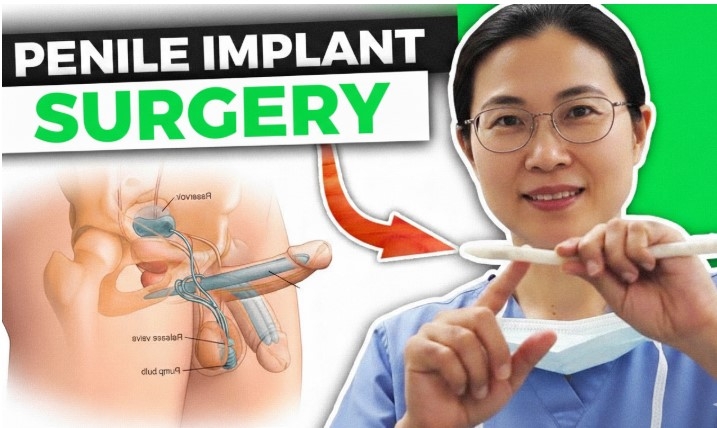
Sexual health is an important part of a man's physical and emotional well-being. However, conditions such as erectile dysfunction can interfere with sexual performance, reduce confidence, and affect intimate relationships. Erectile dysfunction occurs when a man cannot achieve or maintain an erection sufficiently firm for sexual intercourse.
Although many men improve with medication and other conservative treatments, some experience persistent erectile difficulties that do not respond to conventional therapies. For these individuals, penile implant surgery may offer a reliable long-term treatment option.
A penile implant, medically known as a penile prosthesis, is a device surgically placed inside the penis to help restore the ability to achieve an erection. It is particularly useful for men with severe erectile dysfunction caused by diabetes, vascular disease, nerve injuries, prostate surgery, or other medical conditions.
Modern penile prostheses are designed to provide dependable rigidity while allowing patients to resume sexual activity after recovery. Depending on the device selected, men can manually position the penis or activate an internal pumping mechanism to produce an erection.
This article explores penile implants in detail, including how they work, available device types, surgical techniques, eligibility, advantages, potential complications, recovery expectations, and frequently asked questions.
Understanding Penile Implants and Their Purpose
A penile implant is a medical device that helps men overcome the physical limitations associated with erectile dysfunction.
Under normal circumstances, an erection occurs when blood flows into two erectile chambers called the corpora cavernosa. These chambers expand and create penile firmness. However, damage to blood vessels, nerves, or erectile tissue can interfere with this process.
A penile prosthesis provides an alternative mechanism for producing penile rigidity.
The device is placed inside the erectile chambers during surgery. Depending on its design, it may consist of flexible rods or inflatable cylinders connected to an internal pump and fluid reservoir.
Once the surgical area has healed, the patient can use the device according to its design to achieve an erection suitable for sexual intercourse.
The primary purpose of penile implant surgery is to restore erectile function. It is not intended to increase penis size, enhance testosterone levels, or directly improve sexual desire.
Common Reasons for Considering a Penile Implant
Erectile dysfunction has several possible causes. Some men experience temporary difficulties, while others develop persistent problems because of underlying medical conditions.
A penile implant may be considered when erectile dysfunction is severe and other treatment options have not provided satisfactory results.
Diabetes-Related Erectile Dysfunction
Diabetes can damage blood vessels and nerves that are essential for normal erections. Men with long-standing diabetes may develop significant erectile difficulties that become increasingly difficult to manage with medication.
A penile implant may be considered when conventional treatments are unsuccessful and the patient's overall health permits surgery.
Erectile Dysfunction After Prostate Surgery
Some men develop erectile dysfunction following prostate cancer surgery or other pelvic procedures.
The nerves responsible for erections can be affected during treatment, resulting in reduced erectile function.
A penile implant may provide a treatment option for men who continue experiencing severe ED despite appropriate rehabilitation and medical therapy.
Vascular Problems
Healthy blood circulation is essential for normal erectile function. Conditions such as atherosclerosis, high blood pressure, and cardiovascular disease can interfere with penile blood flow.
When vascular erectile dysfunction becomes severe, an implant may be considered after appropriate medical assessment.
Neurological Conditions
Nerve injuries and neurological disorders can interfere with communication between the brain and the erectile tissues.
Spinal cord injuries, certain neurological diseases, and pelvic trauma may contribute to severe erectile dysfunction.
Peyronie's Disease
Peyronie's disease causes scar tissue to develop inside the penis, resulting in curvature, deformity, or discomfort.
In selected men who also experience erectile dysfunction, penile implant surgery may help restore rigidity. Additional procedures may be needed to correct significant curvature.
Who Can Benefit From Penile Implant Surgery?
Penile implant surgery is generally considered for men who have persistent erectile dysfunction and have not achieved satisfactory results with less invasive treatments.
Potential candidates include men who:
-
Have severe erectile dysfunction.
-
Do not respond adequately to oral ED medications.
-
Cannot tolerate medication side effects.
-
Have unsuccessful results with penile injections.
-
Experience erectile dysfunction after prostate surgery.
-
Have diabetes-related erectile dysfunction.
-
Have nerve or vascular damage affecting erections.
-
Have Peyronie's disease associated with significant erectile dysfunction.
-
Prefer a long-term surgical option after appropriate counselling.
A urologist must evaluate each patient individually before recommending surgery.
Medical Assessment Before Surgery
The doctor may perform a physical examination and review the patient's medical history.
Depending on the circumstances, investigations may include:
-
Blood glucose and HbA1c.
-
Complete blood count.
-
Kidney function assessment.
-
Urine testing.
-
Blood pressure measurement.
-
Hormonal investigations when indicated.
-
Cardiovascular evaluation.
-
Anesthesia assessment.
The doctor will also evaluate infection risks, medication use, previous operations, and the patient's expectations.
Patients with active infections or poorly controlled medical conditions may need treatment before surgery can be considered.
Types of Penile Prostheses Available
Penile implants are generally classified into inflatable and malleable devices.
The choice depends on medical suitability, personal preference, hand dexterity, penile anatomy, and the surgeon's recommendation.
1. Inflatable Penile Prosthesis
An inflatable penile prosthesis is designed to allow the penis to become firm when an erection is desired and softer when the device is deflated.
It is available in two-piece and three-piece configurations.
Three-Piece Inflatable Implant
This system contains:
-
Two inflatable cylinders placed inside the penis.
-
A fluid reservoir positioned inside the lower abdomen or pelvis.
-
A small pump positioned inside the scrotum.
The components are connected through medical tubing.
To achieve an erection, the patient squeezes the pump inside the scrotum. Fluid moves from the reservoir into the cylinders, making the penis firm.
After sexual activity, the patient uses the deflation mechanism to return the fluid to the reservoir.
Key advantages:
-
Provides control over erection timing.
-
Allows the penis to become softer after use.
-
Generally provides a more natural flaccid appearance.
-
Offers good rigidity for penetrative intercourse.
-
Provides an alternative for men who do not respond to medication.
Possible limitations:
-
Requires a more complex surgical procedure.
-
Has several mechanical components.
-
Requires sufficient hand strength and coordination.
-
Mechanical failure may require revision surgery.
Two-Piece Inflatable Implant
A two-piece system combines the pump and fluid-storage mechanism into a scrotal component, reducing the need for a separate abdominal reservoir.
When the patient operates the pump, fluid moves into the cylinders and creates an erection.
Advantages:
-
Does not require a separate abdominal reservoir.
-
Provides an inflatable erection.
-
May be useful for selected patients with previous abdominal or pelvic surgery.
-
Offers an alternative to three-piece devices.
Limitations:
-
May have different expansion characteristics compared with three-piece implants.
-
Requires manual operation.
-
Contains mechanical components that can eventually malfunction.
2. Malleable or Semi-Rigid Penile Implant
A malleable penile implant consists of two flexible rods inserted into the erectile chambers.
Unlike inflatable systems, it does not contain a pump or fluid reservoir.
The penis remains relatively firm, and the patient manually positions it upward for intercourse and downward for concealment.
Advantages:
-
Simple mechanical structure.
-
No inflation mechanism.
-
No separate reservoir.
-
Easier operation for some patients.
-
Fewer mechanical components.
Limitations:
-
The penis remains relatively firm.
-
Concealment can be more challenging.
-
May feel less natural when not being used for sexual activity.
-
Continuous firmness may cause discomfort in some individuals.
How to Select the Right Penile Implant
Selecting an appropriate penile prosthesis is an important part of treatment planning.
There is no single device that is ideal for every patient.
A three-piece inflatable implant may suit someone who values a more natural flaccid appearance and has sufficient hand dexterity.
A two-piece system may be considered when a separate abdominal reservoir is less desirable.
A malleable implant may be appropriate for patients who prefer a simpler device or have difficulty operating a pump.
The surgeon should discuss the advantages and limitations of each option, including expected function, device durability, cost, and the possibility of revision surgery.
Patients should also ask about the specific manufacturer and model being offered.
What Happens During Penile Implant Surgery?
Penile implant surgery is performed by a qualified urologist with appropriate experience in prosthetic surgery.
The procedure is usually completed under general or regional anesthesia.
Although surgical techniques can differ, the main stages are as follows.
Preoperative Consultation
Before surgery, the doctor reviews the patient's medical history, previous erectile dysfunction treatments, and general health.
The surgeon explains the expected results, possible complications, and postoperative recovery.
The patient should discuss any concerns regarding penile length, appearance, sensation, sexual activity, and future device replacement.
Anesthesia and Preparation
The patient receives the selected anesthesia.
The surgical area is prepared using appropriate antiseptic techniques to reduce infection risks.
Surgical Access
The surgeon makes an incision to access the erectile chambers.
Depending on the technique, the incision may be placed near the junction of the penis and scrotum or in the lower abdominal region.
Preparing the Erectile Chambers
The corpora cavernosa are carefully accessed and prepared to accommodate the prosthesis.
The surgeon measures the internal spaces to select an appropriate implant size.
Inserting the Device
The implant cylinders or malleable rods are placed inside the erectile chambers.
If an inflatable implant is being used, the pump and reservoir are also positioned appropriately.
Testing and Closure
The surgeon checks the implant's positioning and function.
For inflatable systems, the device is tested by inflating and deflating it.
Once everything is satisfactory, the incision is closed and a dressing is applied.
Initial Recovery
The patient is monitored after surgery.
Depending on the procedure and individual medical circumstances, discharge may take place on the same day or after a short hospital stay.
The surgical team provides medication instructions and postoperative care guidance.
What Are the Main Benefits of Penile Implants?
Penile implant surgery can offer important benefits for men who have not responded to conventional erectile dysfunction treatments.
Reliable Mechanical Rigidity
The main advantage is the ability to achieve penile firmness without depending on the natural erectile mechanism.
This can make intercourse possible for men with severe erectile dysfunction.
Greater Independence
Patients with inflatable devices can control when they want an erection.
This reduces the need to plan sexual activity around taking medication or administering injections.
Long-Term Treatment
A penile implant is designed to provide long-term assistance.
Although mechanical failure and infection are possible, many devices continue functioning for years.
Improved Sexual Confidence
The ability to achieve an erection can help reduce performance-related anxiety and improve confidence.
Greater Relationship Satisfaction
Erectile dysfunction may create stress between partners. Successful treatment can improve intimacy and help couples feel more comfortable discussing their sexual needs.
Reduced Dependence on Conventional ED Treatments
Many men do not need oral ED medication to achieve rigidity after successful implant surgery.
However, other medications may still be necessary for unrelated medical conditions or additional sexual health concerns.
Does Penile Implant Surgery Increase Penis Length?
Penile implant surgery is not designed to increase penis length or girth.
Its main purpose is to provide sufficient rigidity for sexual intercourse.
The implant size is selected according to the patient's internal anatomy.
Some patients may notice that their penis appears shorter than expected after surgery. This can be associated with existing tissue changes, prolonged erectile dysfunction, previous pelvic surgery, or penile fibrosis.
A thorough discussion about realistic expectations is essential before surgery.
Patients should not undergo penile implant surgery expecting cosmetic enlargement.
Can Men Experience Normal Sexual Pleasure With an Implant?
A penile implant restores the mechanical ability to achieve rigidity, but it does not directly control sexual sensation, orgasm, or desire.
Most men can continue experiencing penile sensation and orgasm after surgery.
The procedure does not normally prevent ejaculation, although underlying medical conditions and previous prostate procedures may affect this function.
The head of the penis is not directly inflated by the implant. It may become engorged during sexual stimulation, but its firmness can differ from that of the penile shaft.
Individual experiences depend on the patient's underlying health, nerve function, and previous treatments.
Possible Risks and Complications
Penile implant surgery is an established procedure, but patients should understand that complications can occur.
Infection
Infection is a significant concern because the implant is a foreign medical device.
Symptoms may include fever, redness, increasing pain, swelling, or discharge.
Some infections require antibiotics and surgical removal or replacement of the implant.
Postoperative Pain
Pain and discomfort are common during early recovery.
Most patients improve gradually with appropriate medication and postoperative care.
Persistent or worsening pain requires medical assessment.
Bleeding and Swelling
Bruising and swelling can occur after surgery.
Excessive bleeding or a large collection of blood may require additional treatment.
Mechanical Problems
Inflatable implants contain mechanical components that may eventually develop problems.
These can include:
-
Pump malfunction.
-
Fluid leakage.
-
Cylinder damage.
-
Tubing failure.
-
Difficulty inflating or deflating the device.
Some mechanical problems require revision or replacement surgery.
Implant Erosion
Implant erosion occurs when a device component damages surrounding tissues or passes through them.
This is uncommon but requires prompt specialist assessment.
Penile Shortening or Deformity
Changes in penile appearance can occur following surgery.
Some men may experience perceived shortening, particularly when erectile dysfunction has been present for a long time.
Urinary Complications
Temporary difficulty urinating may occur following surgery.
Rarely, injury to the urethra or surrounding structures may develop.
Additional Surgery
A penile implant may eventually require revision, replacement, or removal.
Patients should understand that future surgical intervention is possible.
Recovery Timeline After Penile Implant Surgery
Recovery differs between individuals. The following timeline provides general guidance rather than a guaranteed schedule.
First Two Days
Patients may experience swelling, bruising, discomfort, and tenderness around the surgical area.
Pain medication and supportive garments may be recommended.
First Week
The patient should focus on wound care, rest, and following medical instructions.
Strenuous activity and heavy lifting should be avoided.
Weeks Two to Four
Many patients gradually return to light daily activities.
However, exercise and activities that put pressure on the surgical area should remain restricted until medical approval.
Weeks Four to Six
The surgeon may assess healing and begin teaching the patient how to operate an inflatable implant.
Sexual activity is generally postponed until the surgeon confirms that healing is sufficient.
After Six Weeks
Many patients can gradually resume sexual activity after receiving medical clearance.
The exact timing depends on healing, surgical technique, and individual circumstances.
Important Care Instructions After Surgery
Proper postoperative care helps support healing and reduce complications.
Patients should:
-
Take medications exactly as prescribed.
-
Keep the incision clean according to instructions.
-
Avoid strenuous physical activity during early recovery.
-
Avoid sexual intercourse until medically cleared.
-
Attend all follow-up appointments.
-
Maintain good blood glucose control if diabetic.
-
Avoid smoking during the healing period.
-
Learn the correct operation of the implant.
-
Contact the surgeon if unusual symptoms develop.
Fever, increasing pain, significant redness, discharge, or difficulty urinating should not be ignored.
How Durable Are Modern Penile Implants?
Modern penile prostheses are designed to provide long-term erectile support.
However, their lifespan depends on device design, patient health, surgical technique, mechanical wear, and other factors.
Published guideline data report estimated implant survival rates of approximately:
| Time After Surgery | Estimated Survival |
|---|---|
| 1 year | 93.3% |
| 3 years | 91.0% |
| 5 years | 87.2% |
| 10 years | 76.8% |
| 15 years | 63.7% |
| 20 years | 52.9% |
These are pooled estimates from published evidence and do not predict the exact lifespan of an individual implant.
Patients should maintain follow-up with their urologist and seek evaluation if the device develops problems.
Comparing Penile Implants With Other ED Treatments
Several treatment options are available for erectile dysfunction.
The choice depends on the cause of the condition, its severity, previous treatment results, and the patient's preferences.
Oral Medications
Medications such as sildenafil and tadalafil improve the natural erectile response by increasing blood flow to the penis.
They are often considered before surgical treatment because they do not require an operation.
However, they may not work adequately for every patient.
Penile Injections
Injectable ED medications are administered directly into erectile tissue.
They can produce erections in men who do not respond to oral medication.
Their limitations include repeated injections, discomfort, bruising, and the possibility of prolonged erections.
Vacuum Erection Devices
Vacuum devices use suction to draw blood into the penis.
A constriction ring helps maintain the erection.
These devices are non-surgical, although some patients find them inconvenient.
Shockwave Therapy
Low-intensity shockwave therapy is a non-invasive treatment that uses acoustic waves.
It may be considered in selected cases, but its effectiveness varies and it is not a substitute for penile prosthesis surgery in men with severe, treatment-resistant erectile dysfunction.
Penile Implant Surgery
A penile implant is generally considered when other treatments have not provided satisfactory results.
It requires surgery but can provide a dependable mechanical method of achieving penile rigidity.
Penile Implant Surgery Cost and Pricing Factors
The cost of penile implant surgery depends on the device selected, surgeon's experience, hospital facilities, and the complexity of the procedure.
Inflatable implants generally cost more than malleable implants because of their additional mechanical components.
The total treatment cost may include:
-
Implant purchase price.
-
Surgeon fees.
-
Anesthesia charges.
-
Hospital admission.
-
Operating theatre expenses.
-
Medical investigations.
-
Postoperative medications.
-
Follow-up appointments.
Penile Implant Cost in Pakistan
Men considering penile implant surgery in Pakistan should request an individualized treatment estimate from a qualified urologist or hospital.
The final quotation should specify the implant manufacturer, device model, surgical fees, hospital charges, and postoperative care.
Patients should also confirm whether the quotation includes all necessary components and follow-up services.
Choosing a surgeon based only on price is not advisable. Surgical experience, device authenticity, hospital infection-control practices, and long-term support are important considerations.
Penile Implant Surgery in Pakistan: Choosing the Right Specialist
Men in Pakistan who experience persistent erectile dysfunction may benefit from consulting a qualified urologist to explore appropriate treatment options.
Although sexual health problems can be difficult to discuss, seeking medical advice is an important step toward improving overall well-being.
When considering penile implant surgery, patients should look for a specialist with specific experience in penile prosthetic procedures.
Important considerations include:
-
Specialist training in urology.
-
Experience with inflatable and malleable implants.
-
Knowledge of different implant manufacturers.
-
Proper preoperative assessment.
-
Appropriate surgical facilities.
-
Infection-prevention protocols.
-
Postoperative monitoring.
-
Availability of revision surgery when required.
A detailed consultation allows patients to understand their treatment options and make informed decisions.
Frequently Asked Questions About Penile Implant Surgery
1. What is the main purpose of a penile implant?
The main purpose is to help men with erectile dysfunction achieve sufficient penile rigidity for sexual intercourse.
2. Is penile implant surgery a permanent solution?
It is intended as a long-term treatment. However, implants may eventually require replacement or revision because of mechanical problems, infection, or other complications.
3. Is a penile implant noticeable?
The device is placed inside the body and is generally not visible externally. However, the penis with a malleable implant remains relatively firm.
4. Can a man control an erection with an inflatable implant?
Yes. The patient operates a pump located inside the scrotum to inflate the cylinders. A deflation mechanism allows the penis to return to a softer state.
5. Does penile implant surgery affect fertility?
The implant itself does not directly prevent sperm production or fertility. However, fertility may be affected by underlying medical conditions or previous treatments.
6. Can men with diabetes undergo penile implant surgery?
Yes, provided their overall medical condition is suitable. Good blood glucose control is important to reduce infection and wound-healing risks.
7. Can an implant restore natural erections?
No. The device provides mechanical rigidity rather than restoring the natural erectile mechanism.
8. Will sexual sensation remain after surgery?
Most patients retain penile sensation because the implant is not designed to remove the nerves responsible for sensation.
9. Does an implant improve ejaculation?
The implant does not directly treat ejaculation problems. Men with existing ejaculation difficulties may need separate evaluation.
10. How long does recovery take?
Many patients need approximately four to six weeks before returning to sexual activity, although individual healing times vary.
11. Is a malleable implant better than an inflatable implant?
Neither option is universally better. The appropriate choice depends on medical suitability, patient preference, hand dexterity, and surgeon recommendations.
12. Can an implant malfunction?
Yes. Mechanical components can eventually wear out or fail, potentially requiring additional surgery.
13. Can penile implants treat Peyronie's disease?
They can help selected men with Peyronie's disease who also have erectile dysfunction. Additional corrective procedures may be needed for significant curvature.
14. Is penile implant surgery safe for older men?
Age alone does not determine suitability. Overall health, cardiovascular condition, anesthesia risks, and medical history are more important considerations.
15. Can the implant be removed?
Yes, but removal requires surgery and may result in scarring or damage to erectile tissues. Natural erections may not return after removal.
16. Does the implant make the penis permanently hard?
Malleable implants maintain continuous firmness, while inflatable implants can be deflated to allow a softer appearance.
17. Can a penile implant increase penis thickness?
The purpose of the device is to restore rigidity, not provide cosmetic enlargement. Any changes in girth depend on the device and individual anatomy.
18. When can I start using my implant?
The surgeon generally provides instructions and training after the initial healing period. Patients should not activate the device independently before receiving medical clearance.
19. Is penile implant surgery suitable after prostate cancer treatment?
Yes. Men with persistent erectile dysfunction after prostate cancer treatment may be candidates following appropriate medical assessment.
20. Which doctor performs penile implant surgery?
The procedure is performed by a qualified urologist with appropriate experience and training in penile prosthetic surgery.
Final Thoughts
Penile implant surgery has become an important treatment option for men who experience severe erectile dysfunction and do not achieve satisfactory results with conventional therapies.
Modern inflatable and malleable devices provide different approaches to restoring penile rigidity. With appropriate patient selection, experienced surgical care, and proper postoperative follow-up, many men can regain the ability to participate in penetrative sexual activity.
However, this procedure requires careful consideration because it involves surgery, potential complications, and the possibility of future device replacement.
Men experiencing persistent erectile dysfunction should consult an experienced urologist to understand the underlying cause and explore the most suitable treatment options.
An informed decision, realistic expectations, and professional medical guidance are essential for achieving satisfactory long-term outcomes.
Medical Disclaimer
This article is intended for general educational purposes and should not be considered a substitute for professional medical advice, diagnosis, or treatment. The suitability of penile implant surgery must be determined by a qualified urologist after an individual medical assessment.
Medical References
-
European Association of Urology – Guidelines on Sexual and Reproductive Health.
-
American Urological Association – Erectile Dysfunction Guideline.
-
International Consultation on Sexual Medicine – Penile Prosthesis Recommendations.
-
NCBI Bookshelf – Penile Prosthesis Implantation.
-
International Penile Prosthesis Implant Consensus Forum.

 English
 Arabic
 French
 Spanish
 Portuguese
 Deutsch
 Turkish
 Dutch
 Italiano
 Russian
 Romaian
 Greek
