


How Smart Packaging Choices Influence Customer Experience and Product Success
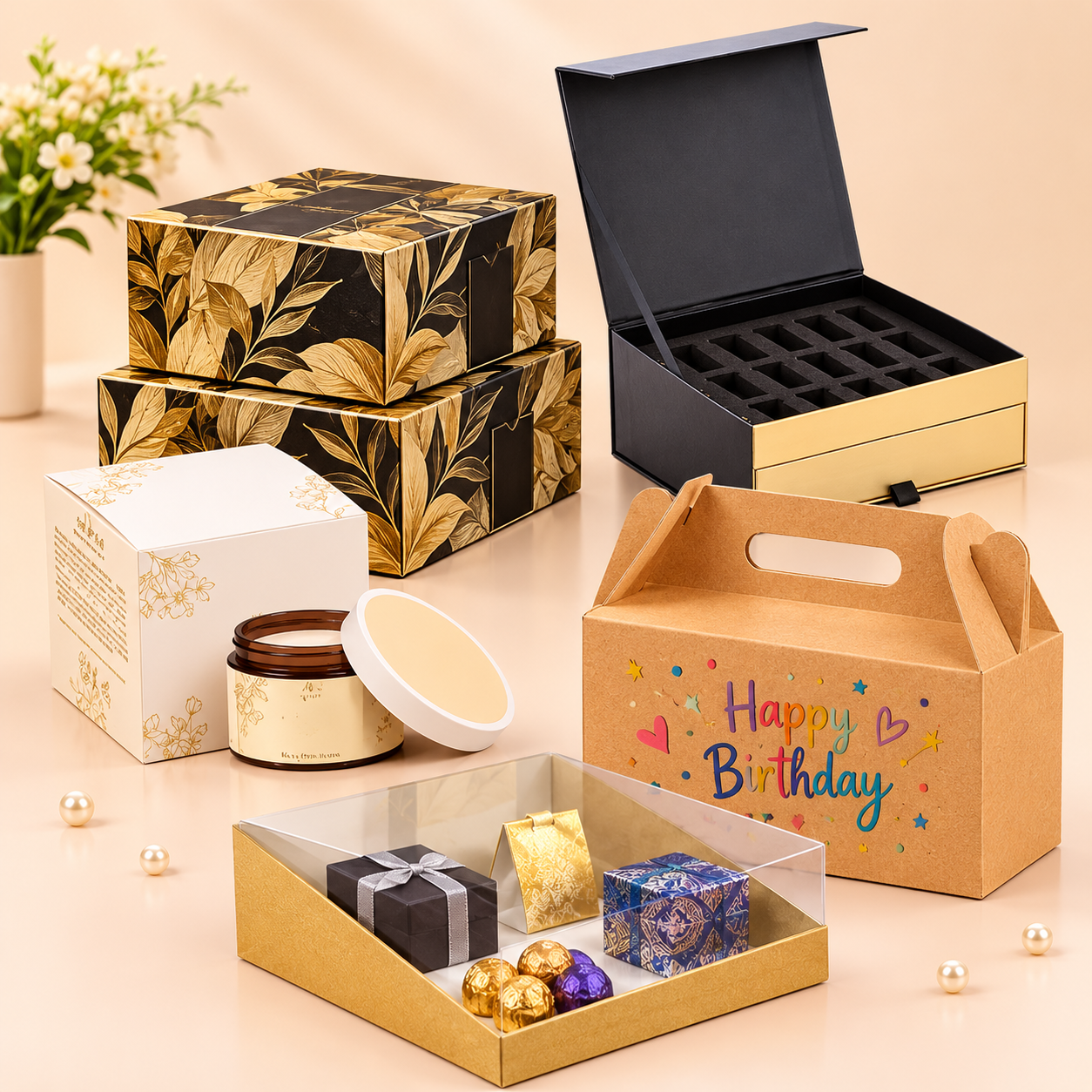
Have you ever purchased a product simply because its packaging caught your attention? Perhaps it was a beautifully presented gift, a coffee pouch with an attractive design, or a snack package that was easy to open and store. These small details can influence purchasing decisions more than many businesses realize.
Packaging is no longer just a protective layer around a product. It plays an important role in how customers recognize brands, understand products, and experience their purchases. For businesses operating in competitive markets, the right packaging can improve product presentation, support convenience, and create a stronger connection with customers.
However, choosing packaging requires more than selecting an attractive design. Businesses must consider product type, storage conditions, transportation, material selection, and customer expectations.
Let's explore how different packaging solutions can help businesses improve their products and create better customer experiences.
1. Packaging Creates the First Impression of a Brand
Before customers use a product, they usually interact with its packaging. This makes packaging one of the first opportunities for a business to communicate its identity.
Imagine two products displayed next to each other. One comes in plain packaging with little information, while the other has a professional design, readable product details, and consistent brand colors. The second product may attract more attention because its presentation communicates greater care and professionalism.
Businesses can improve their packaging presentation through:
-
Consistent brand colors and logo placement.
-
Clear product information and readable typography.
-
Suitable materials and packaging structures.
-
Professional printing and finishing.
-
Designs that reflect the target audience.
Good packaging should not simply look attractive. It should help customers understand what they are buying and make the product easy to recognize.
2. Flexible Packaging Makes Food Products More Convenient
Food businesses often need packaging that protects products while making storage, transportation, and everyday use easier.
For example, snack manufacturers must consider freshness, handling, shelf presentation, and convenient storage. The packaging should also communicate important product information without making the design difficult to understand.
For popcorn brands, popcorn pouches can provide a practical packaging format. Their flexible structure makes them suitable for different product sizes and retail requirements. Businesses can also customize their appearance to match their brand identity.
Beverage, sauce, and liquid-based product manufacturers may have different requirements. In these situations, stand-up pouch with spout packaging offers a useful combination of upright display and controlled dispensing.
The spout provides a convenient opening for pouring, while the stand-up structure helps products remain visible on shelves.
When selecting flexible food packaging, businesses should evaluate:
-
Barrier properties against moisture and oxygen.
-
Seal strength and leakage resistance.
-
Product compatibility.
-
Storage and transportation requirements.
-
Opening and dispensing convenience.
Selecting the correct packaging structure can help brands balance product protection with customer convenience.
3. Sustainable Packaging Can Support Responsible Brand Decisions
Environmental considerations are becoming an important part of packaging decisions. Many businesses are exploring alternatives that can reduce unnecessary packaging materials and support more responsible product presentation.
However, choosing sustainable packaging requires understanding the actual material rather than relying on appearance alone.
For brands interested in alternative packaging materials, compostable stand-up pouches are one option to explore. These packaging formats may be suitable for products where the material specifications and available composting facilities meet the intended requirements.
Businesses should check whether a pouch is certified for industrial or home composting and understand the disposal instructions before making environmental claims.
A few important considerations include:
-
Material composition and certifications.
-
Product shelf-life requirements.
-
Moisture and oxygen protection.
-
Available disposal and composting facilities.
-
Compatibility with existing packaging processes.
Sustainability should be considered throughout the packaging selection process, not just as a marketing message.
4. Product-Specific Packaging Helps Protect Different Items
Not every product has the same packaging requirements. A snack, coffee product, gift item, and specialty retail product each need a different approach.
For example, certain specialty products require packaging that helps protect them from external conditions such as light, moisture, and air. In these cases, backwoods sealed foil pouches provide a product-specific packaging option worth considering.
Coffee brands also need to pay attention to packaging because exposure to oxygen, moisture, and light can affect product quality.
For specialty beverages and coffee products, mushroom coffee packaging can help businesses create packaging suited to their product presentation and storage requirements.
When choosing packaging for specialty products, manufacturers should consider the product's sensitivity, expected shelf life, storage environment, and sealing requirements.
The goal is to select packaging that supports the product throughout its journey from production to the customer.
5. Labels and Branding Make Products Easier to Recognize
Packaging design does not end with the box or pouch. Labels also play an important role in product identification and brand presentation.
Customers often look at product names, ingredients, instructions, and other important information before making a purchase. Clear labeling helps them understand what a product offers.
One option for businesses looking for packaging decoration is shrink sleeve labels.
These labels can cover a large portion of a product container, allowing brands to display colorful graphics, product information, and branding elements across different surfaces.
Shrink sleeves can be particularly useful for businesses that want a consistent visual appearance across product collections.
Before selecting a label, consider the container shape, material compatibility, printing quality, application process, and required information.
A well-designed label should make a product recognizable while keeping essential details easy to read.
6. Premium Gift Packaging Creates a Memorable Unboxing Experience
Packaging also has an emotional role, particularly when customers purchase products for special occasions.
Think about birthdays, weddings, corporate gifts, holiday celebrations, and luxury product launches. In these situations, presentation can make the experience feel more personal and memorable.
Magnetic gift boxes are a popular style to consider for premium product presentation. Their magnetic closure provides a neat opening and closing experience, while the rigid structure creates an elegant appearance.
Businesses can explore these boxes for:
-
Corporate gift collections.
-
Luxury cosmetics and skincare products.
-
Jewelry and accessories.
-
Premium candles and fragrances.
-
Special occasion gift sets.
Customization options such as printed logos, interior arrangements, and suitable finishing details can help businesses create packaging that reflects their brand identity.
The best gift packaging combines attractive presentation with practical functionality.
7. How Businesses Can Choose the Right Packaging
With so many packaging options available, selecting the right one can seem challenging. A simple evaluation process can help businesses make better decisions.
Understand the product: Consider its size, weight, fragility, material compatibility, and storage requirements.
Know your customers: Think about how customers will open, use, store, and dispose of the packaging.
Compare packaging structures: Evaluate boxes, pouches, labels, and other formats according to their intended purpose.
Consider branding: Choose colors, printing, finishes, and designs that represent your business consistently.
Evaluate your budget: Compare material costs, customization requirements, order quantities, and production needs.
Request samples: Whenever possible, test the packaging before approving a large production order. Check its appearance, dimensions, sealing, and overall functionality.
Taking these steps can help businesses avoid unnecessary packaging problems and make more informed purchasing decisions.
Final Thoughts
Packaging influences much more than how a product looks on a shelf. It can affect product protection, customer convenience, brand recognition, and the overall purchasing experience.
From flexible food pouches and specialty coffee packaging to premium gift boxes and customized labels, every packaging format serves a different purpose. Understanding these differences helps businesses select solutions that match their products and customer expectations.
If you are planning to launch a new product or upgrade your existing packaging, explore the customized solutions offered by Hale Path Packaging. Choosing the right packaging design can help your business improve product presentation and create a more professional experience for customers.
Ready to improve your product packaging? Visit Hale Path Packaging to explore packaging options and request a custom quote for your next project.

 English
 French
 Spanish
 Portuguese
 Deutsch
 Turkish
 Dutch
 Italiano
 Russian
 Romaian
 Portuguese (Brazil)
 Greek
