


How to Dispose of Old Electronic Devices Responsibly
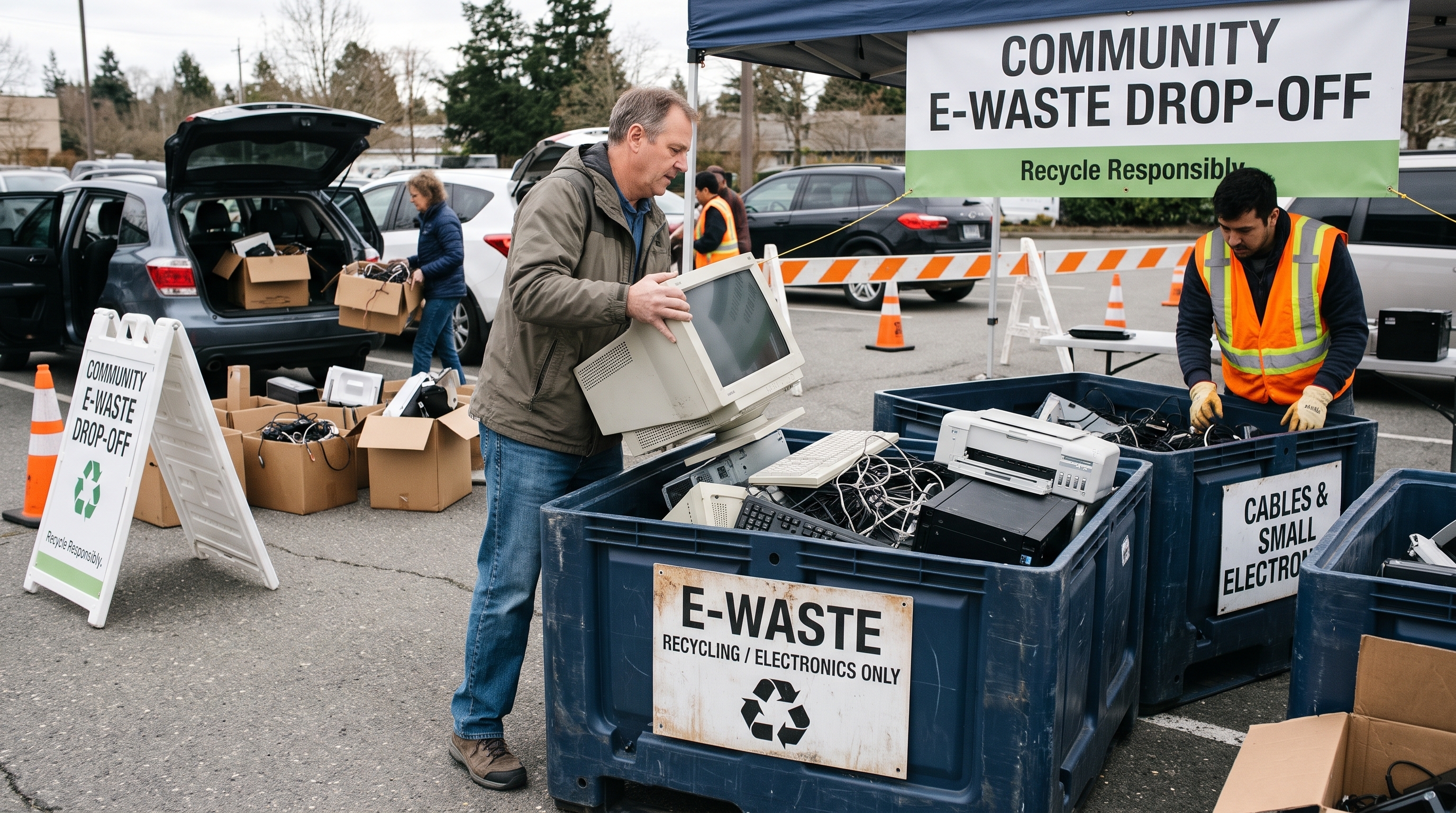
Electronic devices have become an important part of everyday life. From televisions and computers to smartphones, printers, and household appliances, people depend on technology for communication, entertainment, and work. However, when these products become outdated or stop working, disposing of them incorrectly can create environmental problems. Responsible Electronics Disposal helps reduce electronic waste, recover useful materials, and protect the environment from potentially harmful substances.
Instead of throwing old electronics into ordinary household rubbish, individuals and businesses should explore safer options such as repairing, donating, reselling, or recycling unwanted devices.
What Is Responsible Electronics Disposal?
Responsible electronics disposal refers to managing unwanted electrical and electronic products through suitable methods that reduce environmental harm.
Electronic devices contain different materials, including metals, plastics, glass, and electronic components. Some products may also contain substances that require specialized handling.
Proper disposal ensures that reusable products are given another opportunity to serve their purpose while damaged equipment is directed toward appropriate recycling facilities.
1. Identify Which Electronic Devices You No Longer Need
The first step is identifying electronic products that are no longer useful in your home or workplace.
Common examples include:
-
Old LED and LCD televisions.
-
Unused laptops and desktop computers.
-
Broken smartphones and tablets.
-
Damaged printers and scanners.
-
Unwanted chargers and cables.
-
Outdated household electronic appliances.
Collecting these products in one place makes it easier to decide whether they can be repaired, donated, sold, or recycled.
2. Repair Devices That Are Still Usable
Not every outdated or damaged electronic product needs to be discarded.
Some devices may have minor problems that can be fixed through affordable repairs. For example, a laptop with a faulty keyboard or a television with a minor repairable issue may continue working for several years after maintenance.
Before disposing of an electronic device, consider having it inspected by a qualified technician.
Repairing products helps extend their useful lifespan and reduces unnecessary electronic waste.
3. Donate Working Electronic Products
If you have functional electronic devices that you no longer use, donating them can be a practical option.
Old computers, televisions, and other equipment may still be useful to students, families, schools, or community organizations.
Before donating, check that the device works properly and includes any necessary accessories.
You should also remove personal information from computers, smartphones, and storage devices before handing them over.
4. Sell or Resell Unwanted Electronics
Selling functional electronics is another responsible way to manage unwanted devices.
Products that are no longer needed by one person may be valuable to someone looking for affordable technology.
Used electronics resale businesses help connect sellers with potential buyers. Depending on the product's condition, age, and demand, customers may receive an opportunity to recover some of their original investment.
This approach keeps usable electronics in circulation and reduces the need to discard working equipment.
5. Use Professional Electronic Waste Recycling Services
Some electronic products cannot be repaired, donated, or resold. In such cases, professional recycling services provide an appropriate disposal option.
Recycling facilities may collect, sort, dismantle, and process electronic equipment to recover useful materials.
These materials can include copper, aluminum, steel, plastics, and glass.
Using suitable recycling services helps reduce landfill waste and supports better resource management.
6. Remove Personal Data Before Disposal
Protecting personal information is an important part of responsible electronics disposal.
Computers, smartphones, tablets, and external storage devices may contain private photographs, passwords, financial information, and confidential documents.
Before selling, donating, or recycling these products:
-
Back up important files.
-
Sign out of personal accounts.
-
Remove memory cards and SIM cards.
-
Perform a secure data wipe or factory reset where appropriate.
-
Follow suitable data destruction procedures for business equipment.
For devices containing sensitive information, professional data destruction may be necessary.
7. Handle Batteries Separately
Batteries are commonly found in laptops, smartphones, remote controls, cameras, and other electronic products.
Some batteries can create fire or chemical risks if damaged, crushed, exposed to excessive heat, or disposed of incorrectly.
Avoid throwing rechargeable batteries into ordinary household rubbish. Do not burn or dismantle them.
Follow local battery collection guidelines and use suitable recycling facilities. If a battery is swollen, leaking, or damaged, handle it carefully and seek appropriate disposal guidance.
8. Separate Different Electronic Components
Different electronic products may require different recycling methods.
For example, televisions, computer monitors, batteries, cables, and small electronic accessories may need separate handling.
Sorting unwanted devices before disposal can make collection and recycling more organized.
However, avoid dismantling complex electronic equipment yourself. Professional recycling facilities have the appropriate tools and procedures for handling different components.
9. Avoid Unsafe Disposal Methods
Improper disposal can create serious environmental and safety concerns.
Never burn electronic devices to recover materials or dump unwanted electronics in open areas, rivers, or unsuitable locations.
Avoid mixing batteries and electronic waste with ordinary household rubbish when appropriate collection options are available.
Always choose responsible collection, reuse, or recycling methods.
10. Choose Reliable Electronics Disposal Services
Selecting an appropriate service provider can make the disposal process easier.
Before handing over your electronic products, check the provider's collection procedures, recycling practices, data protection options, and handling policies.
Businesses such as Fida Used Electronics provide an online platform where customers can explore electronics-related services and opportunities involving used equipment.
Understanding the available services can help customers make better decisions about managing their unwanted devices.
Benefits of Responsible Electronics Disposal
Proper electronics disposal offers several important benefits.
Environmental Protection: It helps reduce pollution caused by improperly discarded electronic products.
Resource Recovery: Recycling allows valuable materials to be recovered and reused.
Waste Reduction: Reusing and recycling electronics reduces the amount of waste sent to landfills.
Data Security: Proper preparation helps protect personal and business information.
Economic Opportunities: Reselling and recycling support businesses involved in electronics recovery and waste management.
Conclusion
Disposing of old electronic devices responsibly is an important step toward reducing electronic waste and protecting the environment. Repairing usable products, donating working equipment, selling unwanted electronics, and recycling damaged devices are all practical ways to manage technology more effectively.
Before throwing away an old electronic product, consider whether it can serve another purpose or provide valuable recyclable materials. By choosing appropriate disposal methods and reliable service providers, individuals and businesses can contribute to a cleaner and more sustainable future.

 Arabic
 French
 Spanish
 Portuguese
 Deutsch
 Turkish
 Dutch
 Italiano
 Russian
 Romaian
 Portuguese (Brazil)
 Greek
