


Blood Test at Home: Common Tests You Can Take
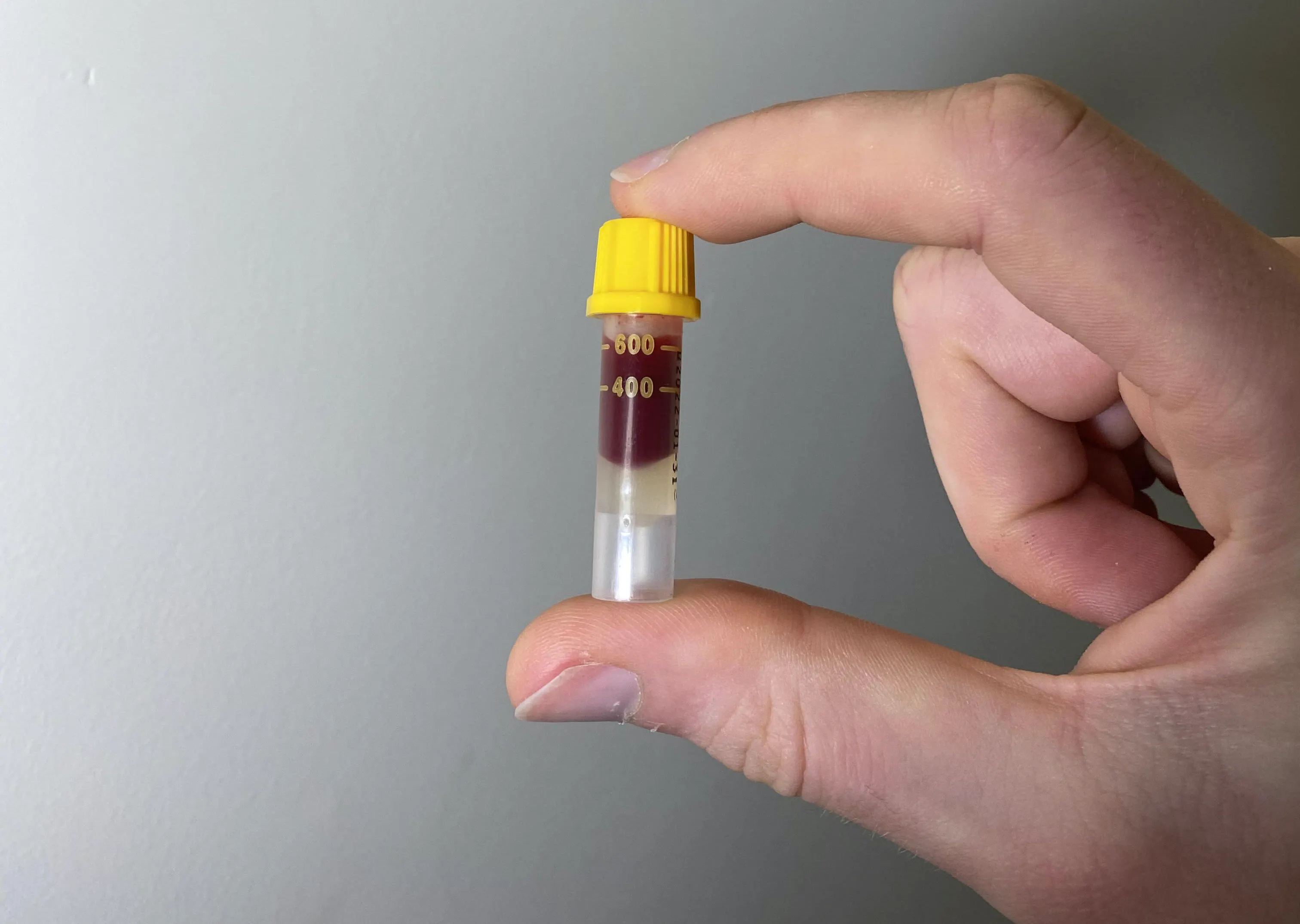
A Blood Test at Home has become an increasingly popular option for individuals who want convenient access to diagnostic healthcare without visiting a laboratory. Advances in home healthcare services now allow trained healthcare professionals to collect blood samples at home while certified laboratories perform detailed analysis using the same technology and quality standards found in traditional diagnostic centers.
Routine Blood Test at Home in Dubai plays a vital role in preventive healthcare, helping detect potential health concerns before symptoms become noticeable. Whether you are monitoring an existing medical condition, evaluating your overall wellness, or following a healthcare provider’s recommendation, home blood testing offers a reliable and efficient solution.
One of the greatest advantages of a Blood Test at Home is the wide variety of laboratory investigations available. From complete blood count and blood glucose testing to thyroid function, cholesterol screening, liver health assessment, kidney function evaluation, and vitamin deficiency testing, individuals can monitor multiple aspects of their health from the comfort of home.
General Wellness Blood Tests:
Routine wellness screening forms the foundation of preventive healthcare. These laboratory investigations provide an overview of your body's overall condition and help identify abnormalities that may require further medical evaluation.
Complete Blood Count (CBC):
A Complete Blood Count is one of the most commonly requested laboratory tests.
It evaluates several important blood components, including:
-
Red blood cells
-
White blood cells
-
Hemoglobin
-
Hematocrit
-
Platelets
A CBC helps healthcare providers assess overall health while supporting the diagnosis of conditions such as anemia, infection, inflammation, and certain blood disorders.
Because it offers broad insight into general health, this investigation is frequently included in annual wellness screening.
Erythrocyte Sedimentation Rate (ESR):
An ESR test measures how quickly red blood cells settle in a test tube.
Although it does not diagnose a specific condition, it may help identify inflammation occurring somewhere within the body.
Healthcare providers often combine ESR with other blood tests when evaluating ongoing symptoms.
Blood Tests for Heart Health:
Cardiovascular disease often develops gradually, making routine blood screening valuable for identifying risk factors before complications occur.
Lipid Profile:
A lipid profile measures several important fats circulating in the bloodstream, including:
-
Total cholesterol
-
HDL cholesterol
-
LDL cholesterol
-
Triglycerides
Monitoring cholesterol levels helps healthcare providers evaluate cardiovascular risk and recommend lifestyle changes or medical treatment when necessary.
Regular cholesterol screening is an important component of preventive healthcare.
Blood Tests for Diabetes Monitoring:
Blood glucose testing plays a significant role in both diabetes screening and long-term disease management.
Blood Glucose Test:
This investigation measures the amount of glucose circulating in the bloodstream.
Healthcare providers use blood glucose testing to:
-
Screen for diabetes
-
Monitor blood sugar control
-
Evaluate symptoms related to abnormal glucose metabolism
Depending on the investigation, fasting may be required before sample collection.
HbA1c Test:
The HbA1c test measures average blood glucose levels over approximately two to three months.
Unlike a single glucose measurement, HbA1c provides a broader picture of long-term blood sugar control, making it especially useful for monitoring diabetes management.
Blood Tests for Hormonal Health:
Hormones regulate numerous body functions, including metabolism, growth, mood, and energy production.
Thyroid Function Tests:
Thyroid function tests measure hormones produced by the thyroid gland, including TSH and thyroid hormones.
These investigations help evaluate thyroid activity and assist healthcare providers in diagnosing underactive or overactive thyroid conditions.
Common reasons for thyroid testing include:
-
Unexplained fatigue
-
Weight changes
-
Hair thinning
-
Changes in heart rate
-
Temperature sensitivity
Reproductive Hormone Tests:
Certain hormone tests evaluate reproductive health and may be recommended depending on age, symptoms, or medical history.
These investigations help healthcare providers assess hormonal balance and reproductive function.
Blood Tests for Liver Health:
The liver performs numerous essential functions, including detoxification, metabolism, and nutrient processing.
Liver Function Tests (LFT):
Liver Function Tests measure enzymes and proteins associated with liver health.
These investigations commonly evaluate:
-
Alanine aminotransferase (ALT)
-
Aspartate aminotransferase (AST)
-
Bilirubin
-
Albumin
-
Alkaline phosphatase (ALP)
Abnormal findings may indicate liver inflammation, injury, or impaired liver function, although further evaluation is often necessary.
Blood Tests for Kidney Function:
Healthy kidneys continuously filter waste products from the bloodstream.
Kidney Function Tests (KFT):
Kidney Function Tests measure biomarkers that reflect filtration efficiency.
Common laboratory measurements include:
-
Creatinine
-
Blood urea nitrogen (BUN)
-
Estimated glomerular filtration rate (eGFR)
-
Electrolytes
Routine kidney monitoring is especially important for individuals with diabetes, hypertension, or chronic kidney disease.
Blood Tests for Nutritional Health:
Nutrition plays a central role in maintaining energy, immunity, and overall well-being.
Vitamin D Test:
Vitamin D supports bone health, immune function, and muscle performance.
Deficiency may contribute to fatigue, muscle weakness, and reduced bone strength.
Vitamin B12 Test:
Vitamin B12 is essential for healthy nerve function and red blood cell production.
Testing may be recommended when individuals experience fatigue, numbness, or symptoms suggestive of deficiency.
Iron Studies:
Iron testing evaluates iron stores and helps investigate anemia or unexplained tiredness.
Healthcare providers often interpret iron studies alongside complete blood count results.
Blood Tests for Infection and Inflammation:
Blood investigations may assist healthcare providers in evaluating infection or inflammation.
C-Reactive Protein (CRP):
CRP measures inflammation occurring within the body.
Elevated levels do not identify a specific disease but may indicate an inflammatory process requiring further evaluation.
Infection Screening:
Certain blood tests help detect infections or monitor immune responses when clinically appropriate.
Healthcare providers determine which investigations are needed based on symptoms and medical history.
Blood Tests for Long-Term Health Monitoring:
Individuals managing chronic medical conditions often require regular laboratory evaluations.
Common monitoring investigations include:
-
Blood glucose
-
HbA1c
-
Lipid profile
-
Kidney function
-
Liver function
-
Thyroid hormones
-
Complete blood count
Routine monitoring allows healthcare providers to evaluate treatment effectiveness and make timely adjustments when necessary.
Why Home Blood Testing Supports Preventive Healthcare?
Regular Blood Test at Home services encourage proactive health management.
Key benefits include:
Early Detection:
Routine laboratory screening may identify health changes before noticeable symptoms develop.
Better Chronic Disease Management:
Individuals living with diabetes, thyroid disorders, kidney disease, or cardiovascular conditions can monitor their health consistently.
Convenient Access:
Home blood collection reduces travel time and makes healthcare more accessible for individuals with busy schedules or limited mobility.
Professional Laboratory Standards:
Certified laboratories analyze home-collected samples using advanced diagnostic equipment and strict quality assurance procedures.
Choosing the Right Blood Tests:
The most appropriate investigations depend on several individual factors.
Healthcare providers consider:
-
Age
-
Medical history
-
Family history
-
Lifestyle
-
Existing health conditions
-
Current symptoms
-
Preventive screening recommendations
Rather than selecting tests independently, individuals should discuss their healthcare goals with a qualified medical professional.
Frequently Asked Questions:
Can multiple blood tests be performed during one home visit?
Yes. A single blood sample can often be used for several laboratory investigations, depending on the requested tests.
Are home blood test results reliable?
Yes. Samples collected professionally at home are analyzed using the same laboratory standards applied to hospital and diagnostic center specimens.
Do all blood tests require fasting?
No. Only specific investigations, such as certain blood glucose and lipid profile tests, may require fasting before sample collection.
How often should routine blood testing be performed?
The recommended testing schedule depends on age, overall health, existing medical conditions, and advice from your healthcare provider.
Should I discuss my laboratory report with a healthcare provider?
Yes. Laboratory values should always be interpreted alongside your symptoms, medical history, medications, and overall health to ensure accurate clinical decision-making.
Conclusion:
A Blood Test at Home offers a practical, reliable, and patient-friendly way to monitor a wide range of health conditions without leaving your home. From general wellness assessments and cholesterol screening to diabetes monitoring, thyroid evaluation, liver and kidney function testing, nutritional assessments, and inflammation markers, home blood collection provides access to many of the same investigations available in traditional diagnostic laboratories. With certified laboratory analysis and professional sample collection, individuals can receive dependable results while enjoying greater convenience and accessibility.
Incorporating routine blood Lab tests into your preventive healthcare plan allows you to track important health markers, detect potential concerns early, and support long-term wellness. When combined with healthy lifestyle habits and guidance from qualified healthcare professionals, a Blood Test at Home becomes a valuable tool for maintaining better health and making informed medical decisions throughout every stage of life.

 English
 French
 Spanish
 Portuguese
 Deutsch
 Turkish
 Dutch
Dutch
 Italiano
 Russian
 Romaian
 Portuguese (Brazil)
 Greek
Greek
