


Albumin Blood Test Guide: From Blood Sample Collection to Result Interpretation
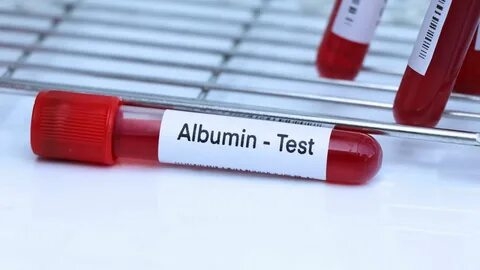
An albumin blood test is a routine laboratory test that measures the amount of albumin circulating in your bloodstream. Although the blood draw itself is simple, understanding what happens before testing, how the sample is collected, and what the final result means can make the experience less confusing.
Albumin Blood Test in Dubai is an important blood protein produced primarily by the liver. It helps maintain fluid balance within blood vessels and transports substances such as hormones, fatty acids, vitamins, and certain medications.
Doctors may order a serum albumin test when assessing liver function, kidney health, nutritional status, fluid balance, or certain chronic conditions. However, albumin is not a stand-alone diagnostic test. Its meaning depends on your symptoms, medical history, laboratory reference range, and other test results.
This guide follows the albumin blood test from preparation and sample collection through laboratory reporting and medical interpretation.
Before the Blood Draw: Why Is the Test Being Ordered?
The first part of an albumin test actually happens before you arrive at the laboratory.
Your healthcare professional may request an albumin blood test for several reasons. It may be included in a broader chemistry panel or ordered because another health concern needs investigation.
Common reasons include:
-
Evaluating aspects of liver function
-
Assessing kidney health
-
Investigating persistent swelling or edema
-
Reviewing fluid balance
-
Evaluating certain chronic illnesses
-
Considering nutritional health as part of a broader assessment
-
Following an existing medical condition
Knowing why the test was ordered can help you understand why other measurements may appear on the same laboratory report.
For example, albumin may be evaluated alongside total protein, creatinine, eGFR, liver enzymes, bilirubin, or other blood chemistry measurements.
Preparing for an Albumin Blood Test:
Preparation depends on whether albumin is being measured alone or as part of a larger group of tests.
Do You Need to Fast?
An albumin test by itself does not always require fasting. However, other tests collected during the same blood draw may have fasting requirements.
If your healthcare provider or laboratory has instructed you to fast, follow those instructions rather than relying on general information about albumin testing.
Do not intentionally skip meals or change your normal diet simply to try to alter your albumin result.
What About Drinking Water?
Normal hydration is generally sensible unless your healthcare professional has given you a fluid restriction or other instructions.
Dehydration can concentrate blood components and may contribute to an elevated serum albumin measurement. On the other hand, deliberately drinking excessive amounts of water is not a reliable way to improve a test result.
Should You Stop Medications?
Do not stop prescription medication without medical advice.
Tell your healthcare professional about prescription medicines, over-the-counter drugs, vitamins, herbal products, and supplements. Certain medicines can affect liver function, kidney function, fluid balance, or other processes that may be relevant to laboratory interpretation.
If a particular medication requires special instructions before testing, your healthcare professional can tell you what to do.
Arriving at the Laboratory: What Happens First?
When you arrive for testing, the laboratory professional will typically confirm your information and identify which blood tests have been requested.
You may be asked about preparation, such as whether you have followed fasting instructions.
The sample collector will then prepare for the blood draw.
The process is usually straightforward and takes only a few minutes.
How Is the Albumin Blood Sample Collected?
An albumin blood test requires a small sample of blood, usually collected from a vein in your arm.
The usual process involves:
-
Cleaning the skin where the sample will be taken
-
Placing a band around the upper arm to help locate a suitable vein
-
Inserting a small needle into the vein
-
Collecting blood into a laboratory tube
-
Removing the needle
-
Applying pressure and a small dressing to the area
You may feel a brief pinch or pressure when the needle enters the vein.
Most people can return to their normal activities shortly afterward unless they have been given other instructions.
What Happens to the Blood Sample After Collection?
Once collected, the blood sample is labeled and sent for laboratory processing.
The laboratory separates and analyzes the appropriate portion of the sample to determine the serum albumin concentration.
The result is generally reported as a numerical value, often in grams per deciliter (g/dL), although reporting units can vary.
The laboratory also provides a reference interval that helps indicate what values are expected for the population and testing method used by that laboratory.
Understanding the Albumin Reference Range
A commonly used adult serum albumin reference range is approximately 3.5 to 5.0 g/dL.
This should not be treated as a universal range for every patient.
Reference intervals can differ between laboratories because of testing methods, equipment, patient populations, and other factors. Age and certain clinical circumstances can also affect expected values.
For this reason, always use the reference range printed on your laboratory report when reviewing your result.
A result just outside the stated interval does not automatically indicate disease.
When the Result Is Low: What Could Be Happening?
A low albumin level is called hypoalbuminemia.
Low albumin can develop for many reasons. The body may be producing less albumin, losing protein, experiencing significant inflammation, or undergoing changes in fluid distribution.
Potential causes include:
-
Liver dysfunction or chronic liver disease
-
Protein loss through the kidneys
-
Inflammation or infection
-
Fluid overload
-
Certain gastrointestinal conditions
-
Nutritional problems
-
Other chronic illnesses
Low albumin does not automatically diagnose any of these conditions.
For example, because the liver produces albumin, chronic liver dysfunction may contribute to reduced production. Kidney conditions can cause albumin to be lost through urine. Inflammation can also affect albumin levels.
Additional testing is often necessary to understand the reason for an abnormal result.
When the Result Is High: What Does That Tell You?
A high albumin level is less common.
One of the most frequent explanations is dehydration or hemoconcentration. When the amount of fluid circulating in the bloodstream decreases, measured blood components can become more concentrated.
A high albumin result generally does not mean that someone has a particularly healthy liver. It also does not usually mean that eating a high-protein diet has caused the result.
Your doctor may consider hydration status and other laboratory findings when deciding whether an elevated albumin level requires further attention.
Why Albumin Is Interpreted With Other Blood Tests?
Albumin becomes more useful when considered as part of a larger laboratory picture.
Total Protein:
Total protein reflects albumin plus other major blood proteins, including globulins.
A person can have low albumin while total protein remains within the expected range if globulin proteins are increased.
A/G Ratio:
The albumin-to-globulin ratio (A/G ratio) compares albumin with globulin proteins.
An altered ratio may provide additional context, but it does not identify a specific disease on its own.
Liver Tests:
Albumin may be considered alongside ALT, AST, bilirubin, alkaline phosphatase, and PT/INR when liver health is being assessed.
Kidney Tests:
Creatinine, eGFR, urinalysis, and urine albumin-to-creatinine ratio (UACR) may be used when kidney function or protein loss is a concern.
It is important to remember that serum albumin and urine albumin are different tests. Serum albumin measures circulating protein, while urine albumin evaluates albumin leakage into urine.
What Your Doctor Looks for Beyond the Number?
A laboratory value is only one piece of clinical information.
Your healthcare professional may consider:
How abnormal is the result? A small change may have a different significance from a substantial abnormality.
Is it a new finding? Comparing the result with previous albumin tests can reveal whether the level is stable or changing.
Are there symptoms? Swelling, weight changes, changes in urination, jaundice, digestive symptoms, or signs of dehydration may provide additional clues.
Are other tests abnormal? Liver, kidney, blood, and urine results can help narrow the possible explanations.
Could fluid balance be involved? Dehydration and fluid overload can affect laboratory concentrations.
Are medications relevant? Certain medicines may influence liver function, kidney function, inflammation, or fluid status.
This broader approach prevents an isolated albumin value from being interpreted out of context.
How Long Does It Take to Receive the Result?
The blood collection itself is usually completed within a few minutes.
The time required to receive the final laboratory result varies. Some laboratories process albumin testing quickly, while other situations may take longer depending on whether the sample is analyzed onsite, sent elsewhere, or included with additional tests.
Your laboratory or healthcare provider can provide the most accurate turnaround estimate.
What Happens After an Abnormal Result?
An abnormal albumin level does not automatically mean that treatment is required.
Depending on your circumstances, your doctor may:
-
Review your medical history
-
Check previous albumin results
-
Review medications and supplements
-
Assess hydration and fluid status
-
Order additional blood tests
-
Request urine testing
-
Repeat the albumin measurement
-
Investigate liver, kidney, nutritional, inflammatory, or other possible causes
The next step depends on the overall clinical picture.
There is no single medication, food, or supplement that should be used to correct every abnormal albumin result.
When Should You Follow Up With Your Healthcare Professional?
Discuss your albumin result with your doctor if it falls outside the laboratory's reference range, particularly if the abnormality is persistent or occurs alongside other abnormal findings.
You should also seek medical advice if an abnormal result occurs with symptoms such as persistent edema, unexplained weight changes, changes in urination, jaundice, significant fatigue, ongoing digestive problems, or symptoms suggesting dehydration.
Do not try to manipulate your albumin result by changing medications, drastically altering your protein intake, or intentionally changing your fluid consumption without professional guidance.
Albumin Blood Test: A Simple Test With a Broader Meaning:
Although the albumin blood test requires only a small blood sample, the result can contribute to the evaluation of several important health processes.
Albumin helps maintain fluid balance and transport substances through the bloodstream. Low levels may occur with liver dysfunction, kidney protein loss, inflammation, nutritional problems, fluid changes, or other illnesses. High levels are less common and frequently relate to dehydration.
The most useful interpretation comes from looking beyond the number itself.
Frequently Asked Questions:
Is an albumin blood test painful?
Most people experience only a brief pinch or pressure during the blood draw. The collection itself usually takes only a few minutes.
Can I eat before an albumin blood test?
Albumin alone does not always require fasting. However, follow the instructions provided for the complete group of tests being performed.
What does a low albumin level mean?
Low albumin, or hypoalbuminemia, can have several causes, including liver dysfunction, kidney protein loss, inflammation, fluid changes, nutritional problems, and chronic illness.
What does a high albumin level mean?
High albumin is commonly associated with dehydration or hemoconcentration. It does not usually indicate excessive protein intake.
Can albumin diagnose liver or kidney disease?
No. Albumin can provide useful supporting information, but liver and kidney conditions require interpretation of additional tests and clinical findings.
Should I be concerned about a slightly abnormal result?
Not necessarily. The importance of a mildly abnormal result depends on the laboratory reference range, your health history, symptoms, other test results, and whether the finding persists.
Final Takeaway:
The journey of an albumin blood Lab tests begins with appropriate preparation and ends with clinical interpretation—not simply a number on a laboratory report.
The blood sample is collected from a vein, analyzed for serum albumin, and reported alongside a laboratory-specific reference range. Low albumin may be associated with several health conditions, while high albumin is often linked to dehydration.
For the clearest interpretation, your healthcare professional may consider albumin together with total protein, A/G ratio, liver function tests, creatinine, eGFR, urine albumin, hydration status, medications, symptoms, and previous results.
If your albumin result is abnormal, avoid diagnosing yourself from the number alone. The underlying cause and your overall clinical picture are what ultimately determine what the result means and whether further evaluation is needed.

 English
 Arabic
 French
 Spanish
 Portuguese
 Deutsch
 Turkish
 Dutch
Dutch
 Italiano
 Romaian
 Portuguese (Brazil)
 Greek
Greek
