


Bus Rental Toronto: How to Find Reliable Transportation for Any Occasion
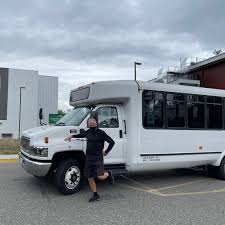
Choosing the right transportation can make a significant difference in the success of any group event, business function, family outing, or special celebration. When several people need to travel together, organizing separate vehicles can quickly become complicated. Different arrival times, parking arrangements, traffic delays, and unfamiliar routes can create unnecessary stress. Professional group transportation offers a practical solution by keeping everyone together and making the entire journey easier to coordinate.
Whether we are arranging transportation for a corporate meeting, wedding, school excursion, sporting event, airport transfer, or sightseeing trip, reliability should always be a priority. A suitable vehicle, experienced driver, comfortable seating, and well-planned schedule can turn an ordinary journey into a pleasant travel experience.
Finding the right Bus Rental Toronto service requires more than comparing prices. We should consider the company's experience, available vehicles, safety standards, customer service, booking policies, and ability to accommodate different travel requirements. Understanding these factors helps us make an informed decision and avoid common transportation problems.
1. Understand Your Transportation Requirements
Before choosing a transportation provider, we should identify the specific requirements of our journey. Every occasion has different needs, and selecting a service without considering these details can lead to unnecessary expenses or an unsuitable vehicle.
For example, a small group attending a business meeting may require a comfortable minibus, while a large wedding party might need a full-size charter bus. Similarly, a school excursion may require additional planning, while an airport transfer could depend on luggage capacity and precise pickup times.
We should begin by considering the following factors:
-
Group size: Determine the number of passengers travelling together.
-
Travel distance: Identify whether the journey involves local transportation or a longer trip.
-
Travel duration: Consider whether passengers will need transportation for a few hours or an entire day.
-
Luggage requirements: Check how much storage space will be necessary.
-
Special requirements: Consider accessibility, additional seating needs, and other passenger preferences.
-
Schedule: Establish pickup times, destinations, stops, and expected return arrangements.
Having these details ready makes communication with transportation providers easier. It also allows us to receive more accurate quotations and compare services based on our actual requirements.
2. Choose a Company With Proven Experience
Experience is an important consideration when selecting a transportation provider. Companies that regularly handle different types of group journeys are generally better prepared to manage scheduling, passenger coordination, and unexpected travel challenges.
An experienced provider understands that every booking requires careful attention. Corporate transportation may involve strict arrival times, while weddings require coordination between multiple locations. School trips often need organized pickup and drop-off arrangements, and private group outings may involve several stops throughout the day.
When researching a company, we should consider how long it has been providing transportation services and whether it regularly handles bookings similar to ours.
We can also evaluate its professionalism by reviewing how it responds to questions, explains available options, and communicates booking information. A dependable company should be able to provide clear details about its services instead of leaving important arrangements uncertain.
Customer feedback can provide additional insight. Reviews may help us understand whether previous passengers experienced punctual pickups, clean vehicles, courteous drivers, and helpful customer support.
We should look for consistent feedback rather than relying entirely on one positive or negative review.
3. Select the Right Vehicle for Your Group
Vehicle selection directly affects passenger comfort, travel convenience, and the overall transportation budget. Booking a vehicle that is too small can create an uncomfortable experience, while choosing one that is unnecessarily large may increase costs.
Professional transportation companies may offer different vehicle options depending on their fleet.
Minibuses for Small and Medium-Sized Groups
Minibuses are suitable for smaller groups that want to travel together without arranging several cars. They can be useful for airport transportation, family gatherings, business meetings, private tours, and local events.
Their compact design can make them convenient for journeys involving multiple pickup locations or destinations where larger vehicles may be less practical.
Charter Buses for Larger Groups
Full-size charter buses are designed to accommodate larger passenger groups. They are commonly considered for school excursions, corporate events, conferences, sports teams, weddings, and organized sightseeing trips.
Depending on the vehicle, passengers may benefit from comfortable seating, climate control, overhead storage, and additional luggage compartments.
Executive Transportation for Corporate Events
Business travellers may prefer vehicles that provide a more professional and comfortable environment. Executive transportation can be useful for transporting employees, visiting clients, management teams, and conference attendees.
When selecting a vehicle, we should always confirm its passenger capacity and available facilities rather than assuming every vehicle offers the same features.
4. Check Safety Standards and Vehicle Maintenance
Safety should never be treated as an optional feature when arranging group transportation. Passengers depend on the transportation company to provide suitable vehicles and qualified drivers who can manage journeys responsibly.
Before confirming a booking, we should ask about the company's vehicle maintenance procedures and driver qualifications. A professional provider should be able to explain how it maintains its fleet and ensures that vehicles are prepared for scheduled journeys.
Important considerations include:
-
Regular vehicle inspections and maintenance.
-
Properly functioning seat belts and safety equipment.
-
Clean and well-maintained passenger interiors.
-
Qualified and appropriately licensed drivers.
-
Compliance with applicable transportation regulations.
-
Appropriate insurance coverage.
-
Reliable procedures for handling unexpected vehicle problems.
Vehicle cleanliness is also important. Passengers should be able to travel in a comfortable environment without worrying about poorly maintained interiors or unpleasant conditions.
We should not hesitate to ask questions about safety procedures before making a reservation. A trustworthy provider will understand the importance of these concerns and respond professionally.
5. Compare Prices and Understand What Is Included
Price is often one of the first things people consider when arranging group transportation. However, choosing the cheapest quotation does not necessarily provide the best overall value.
Different companies may calculate transportation costs differently. Some may charge by the hour, while others may offer fixed rates based on distance, vehicle type, or travel duration.
When comparing Bus Rental Toronto options, we should examine the complete quotation rather than focusing only on the initial price.
For example, one quotation might include the driver, fuel, and a specific number of service hours, while another may have additional charges for waiting time, extra stops, or extended travel.
We should request a detailed breakdown covering:
-
Vehicle rental charges.
-
Driver and service fees.
-
Fuel costs, where applicable.
-
Additional waiting time.
-
Parking and toll expenses, if applicable.
-
Extra mileage charges.
-
Overtime policies.
-
Applicable taxes.
-
Cancellation and modification conditions.
It is also useful to ask whether the company offers customized packages for longer journeys or recurring transportation requirements.
A transparent quotation makes budgeting easier and reduces the possibility of unexpected expenses later.
6. Look for Reliable and Punctual Service
Punctuality is particularly important when transportation is connected to a scheduled event. Arriving late at an airport, business conference, wedding venue, or school activity can disrupt the entire day's arrangements.
Reliable transportation companies understand the importance of following agreed schedules. They should confirm pickup locations, departure times, destinations, and any additional stops before the journey begins.
We should also discuss how the company manages traffic delays and unexpected road conditions.
Toronto has busy roads, particularly during morning and evening rush hours. Construction, weather conditions, accidents, and major events can affect travel times. Planning the journey with sufficient flexibility can help reduce unnecessary pressure.
For important occasions, we should consider scheduling pickups with an appropriate time allowance. This is especially useful when passengers need to arrive before a specific registration time, ceremony, or scheduled activity.
Clear communication is equally important. We should know whom to contact if a pickup detail changes or an unexpected issue occurs.
7. Find Transportation for Different Occasions
One of the biggest advantages of professional group transportation is its flexibility. Different occasions require different arrangements, and choosing a suitable service can make planning much easier.
Corporate Meetings and Business Events
Companies frequently organize transportation for meetings, conferences, training sessions, exhibitions, and business gatherings.
Arranging a shared vehicle allows employees and guests to travel together rather than organizing separate transportation. This can simplify scheduling and make coordination easier for event organizers.
Professional transportation is particularly useful when attendees are travelling from hotels, offices, airports, or designated meeting points.
For corporate bookings, we should prioritize punctuality, comfortable seating, professional drivers, and a clear itinerary.
Wedding Transportation
Weddings involve multiple locations, guests, and carefully planned schedules. Transportation can become complicated when ceremonies, reception venues, hotels, and photography locations are spread across different areas.
A suitable group vehicle helps guests travel together and reduces the need for everyone to arrange separate rides.
We should consider the number of passengers, pickup locations, ceremony timings, and return transportation before booking.
It is also important to discuss whether the vehicle will remain available throughout the event or operate according to specific pickup schedules.
School Trips and Educational Excursions
School transportation requires careful planning because passenger safety and organized supervision are essential.
A suitable bus can help students, teachers, and accompanying staff travel together to museums, educational attractions, sporting facilities, and other destinations.
Before booking, schools should confirm passenger capacity, safety procedures, driver qualifications, luggage arrangements, and the planned itinerary.
Organizers should also communicate pickup instructions and emergency contact arrangements clearly.
Airport Transfers
Airport transportation is another situation where group travel arrangements can provide considerable convenience.
Families, business teams, and visitors arriving together may prefer a shared vehicle instead of coordinating multiple taxis.
When booking airport transportation, we should provide accurate flight information, arrival times, passenger numbers, and luggage requirements.
It is also worth confirming the company's waiting-time policy and arrangements for flight delays.
Family Gatherings and Private Celebrations
Family reunions, birthday celebrations, anniversaries, and other private events often involve guests travelling from different locations.
Organizing shared transportation can make these occasions easier to manage. It also allows relatives and friends to spend more time together rather than worrying about driving and parking.
A suitable vehicle can accommodate different group sizes and help everyone reach the destination according to the planned schedule.
Sporting Events and Group Outings
Sports teams, supporters, and recreational groups often need transportation for tournaments, competitions, matches, and weekend activities.
A charter vehicle can provide sufficient seating and luggage space for passengers carrying sports equipment or personal belongings.
For these bookings, we should confirm storage capacity, departure arrangements, return times, and any additional stops required along the route.
8. Evaluate Customer Service Before Booking
Customer service can tell us a great deal about how a transportation company manages its bookings.
A professional provider should communicate clearly, respond to questions, and provide accurate information about available vehicles and service conditions.
The booking process should be straightforward. We should be able to explain our requirements, receive a suitable quotation, and understand the next steps without unnecessary complications.
Good customer support should also be available when travel arrangements change.
For example, we may need to adjust the pickup time, add another passenger, modify the itinerary, or change a destination. Understanding how the company handles these requests before booking can prevent confusion.
We should pay attention to whether the representative listens carefully and provides relevant recommendations instead of simply promoting the most expensive vehicle.
A company that understands its customers' needs is more likely to help create a smooth transportation experience.
9. Review the Booking Terms and Cancellation Policy
Before confirming any reservation, we should carefully review the booking agreement. This step is particularly important for weddings, corporate functions, school excursions, and other events that require advance planning.
A booking confirmation should clearly identify the agreed service and explain the company's responsibilities.
Important details include:
-
Reservation date and service duration.
-
Pickup and drop-off locations.
-
Selected vehicle category.
-
Passenger capacity.
-
Total estimated cost.
-
Payment schedule.
-
Cancellation conditions.
-
Rescheduling arrangements.
-
Additional service charges.
-
Procedures for handling delays or vehicle issues.
We should also ask about the company's policy if the original vehicle becomes unavailable.
Understanding these conditions helps us avoid misunderstandings and provides greater confidence when making a reservation.
Whenever possible, important arrangements should be confirmed in writing.
10. Consider Comfort and Passenger Convenience
A successful journey should be comfortable as well as convenient. Passengers may spend several hours travelling, so the vehicle's interior and available facilities deserve attention.
Before selecting a vehicle, we should consider the length of the journey and the needs of the passengers.
Features worth checking include comfortable seating, sufficient legroom, climate control, luggage storage, and a clean passenger area.
For longer journeys, additional facilities such as reclining seats, entertainment systems, and onboard amenities may improve the experience, depending on the vehicle.
Accessibility should also be discussed when required. If passengers have mobility-related needs, we should confirm whether the company can provide an appropriate vehicle and suitable boarding arrangements.
These details may seem small during the booking process, but they can have a meaningful impact on the overall experience.
11. Plan Your Route and Schedule in Advance
Good transportation planning begins before the vehicle arrives.
We should prepare a clear itinerary that includes all pickup points, destinations, scheduled stops, and expected return times. Sharing this information with the transportation provider allows the company to recommend a suitable vehicle and plan the journey more effectively.
When travelling through Toronto, we should consider traffic conditions and the location of major event venues.
For example, journeys involving downtown Toronto may require additional time because of congestion, construction, parking restrictions, and busy pedestrian areas.
If the group is visiting multiple destinations, we should organize stops in a logical order to avoid unnecessary driving.
It is also useful to appoint one person as the main contact for the transportation provider. This makes communication easier when passengers need updated instructions or schedule adjustments.
A well-organized itinerary helps passengers understand what to expect and allows the driver to follow the agreed arrangements.
12. Avoid Common Mistakes When Booking Group Transportation
Even a simple transportation reservation can become complicated when important details are overlooked.
We can avoid many common problems by taking a few practical precautions.
Booking without confirming passenger numbers: Always estimate the group size accurately and allow for any additional passengers who may join.
Choosing a vehicle based only on price: Compare vehicle condition, capacity, included services, and company reputation before making a decision.
Ignoring luggage requirements: Passenger capacity and luggage capacity are not necessarily the same. Confirm both before reserving.
Waiting until the last minute: Popular travel dates and major events can create higher demand. Early reservations provide more time to compare options.
Overlooking additional charges: Ask for a detailed quotation and clarify possible extra fees.
Failing to confirm pickup arrangements: Make sure everyone understands the exact pickup location and departure time.
Not reviewing cancellation policies: Understand the terms before paying a deposit or confirming the reservation.
By avoiding these mistakes, we can make more confident decisions and reduce unnecessary transportation-related stress.
13. Why Advance Reservations Make a Difference
Planning transportation early gives us more control over the entire process. It provides additional time to compare companies, select suitable vehicles, and confirm important details.
This is particularly useful during busy travel periods, summer holidays, wedding seasons, school excursions, and major sporting events.
Early reservations may also provide access to a wider selection of vehicles. Waiting until the final few days can limit our choices, especially when a particular passenger capacity or vehicle category is required.
Once the reservation is confirmed, we should keep a record of the booking details and contact information.
It is also helpful to reconfirm the itinerary before the travel date. This gives both the passenger group and the transportation provider an opportunity to address any changes.
For large groups, sharing the final schedule with all passengers can prevent confusion and reduce delays on the day of travel.
14. How to Make the Final Transportation Decision
After comparing several companies, we should evaluate each option according to the requirements that matter most.
A reliable transportation provider should offer a suitable vehicle, clear pricing, professional drivers, proper safety procedures, and responsive customer support.
We should also consider whether the company understands the purpose of our journey. A provider experienced in corporate events may have different strengths from one that primarily handles private sightseeing trips.
When comparing Bus Rental Toronto services, it is helpful to create a shortlist and review each company's strengths.
Rather than making a decision based on one feature, we should consider the complete service experience.
A slightly higher quotation may offer better value if it includes a more suitable vehicle, clearer booking terms, and stronger customer support.
Ultimately, our goal should be to select transportation that meets the group's requirements without creating unnecessary complications.
Conclusion
Finding dependable group transportation requires careful consideration of several important factors. From choosing the right vehicle and reviewing safety standards to comparing prices and confirming booking conditions, every decision contributes to a better travel experience.
Whether we are organizing a corporate function, wedding, school excursion, airport transfer, sporting event, or private celebration, reliable transportation helps simplify coordination and keeps passengers together.
When comparing Bus Rental Toronto providers, we should prioritize experience, punctuality, passenger comfort, transparent pricing, and professional customer support. We should also confirm the vehicle's capacity, understand the service agreement, and share our itinerary before the travel date.
With proper preparation and a suitable transportation company, we can reduce unnecessary travel complications and make group journeys more organized, comfortable, and enjoyable. The right choice allows us to focus on the occasion itself while leaving transportation arrangements in capable hands.
FAQs
1. How Do We Choose a Reliable Bus Rental Company in Toronto?
We should compare the company's experience, vehicle options, customer reviews, safety procedures, pricing transparency, and customer service. It is also important to confirm passenger capacity, driver qualifications, insurance coverage, and booking conditions before making a reservation.
2. What Types of Events Can Require Bus Rental Services?
Group transportation can be arranged for corporate meetings, weddings, school excursions, airport transfers, sporting events, family gatherings, private celebrations, sightseeing tours, and conferences. The appropriate vehicle depends on the number of passengers and the purpose of the journey.
3. How Far in Advance Should We Book a Bus?
Booking several weeks in advance is a sensible approach for most planned events. For weddings, major celebrations, school trips, and peak travel periods, arranging transportation earlier can provide more vehicle choices and additional time to finalize the itinerary.
4. What Factors Affect the Cost of Renting a Bus?
Rental costs can depend on vehicle type, passenger capacity, travel distance, service duration, fuel expenses, additional stops, waiting time, and seasonal demand. We should request a detailed quotation to understand exactly what is included.
5. Can We Arrange Transportation for Multiple Pickup Locations?
Yes, many group transportation providers can accommodate multiple pickup and drop-off locations, depending on the booking arrangements. We should provide the complete itinerary in advance so the company can assess the route, schedule, and any additional charges.
For more information: Airlink Tours Niagara Falls Toronto

 English
 Arabic
 Spanish
 Portuguese
 Deutsch
 Turkish
 Dutch
 Italiano
 Russian
 Romaian
 Portuguese (Brazil)
 Greek
